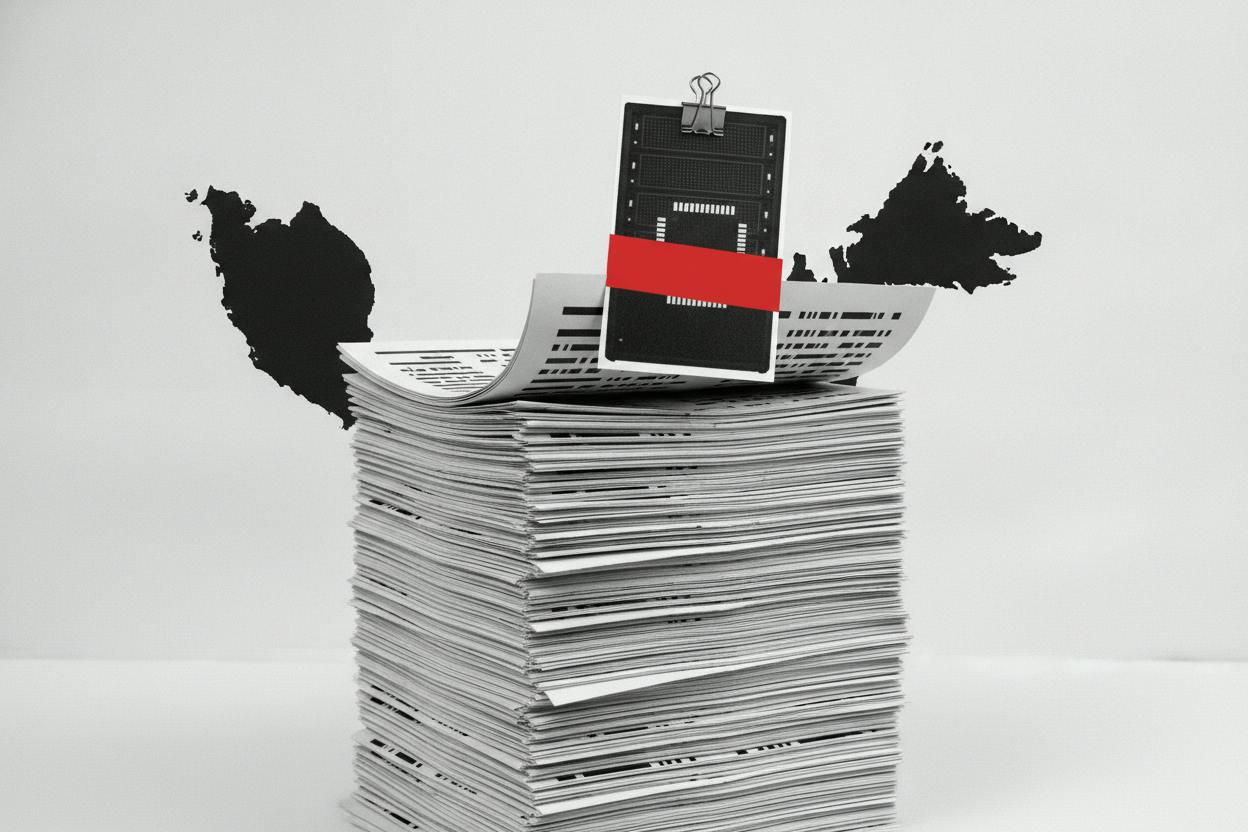
A $480 million loan meant to help build a data center in Malaysia is now in question, as banks weigh whether the financing could run afoul of new US export controls on advanced Nvidia AI chips.
Bloomberg reported that five lenders, including DBS—one of Asia's largest banks and the deal's lead arranger—are debating whether to back away from the loan or stay out entirely. The financing is tied to Aolani Cloud's data center project in Malaysia, a country that has become a hotspot for AI infrastructure investment.
The uncertainty stems from US export licensing rules introduced on November 16. These rules go beyond restricting the physical shipment of high-end chips; they also target arrangements that effectively give overseas users remote access to that computing power. That creates a tricky compliance question for banks: even if the loan itself is private and happens outside the US, it could still be viewed as enabling restricted use.
Why the loan is under scrutiny
Export controls have traditionally focused on hardware—who can buy advanced chips and where they can be shipped. But the latest US rules, which tighten Nvidia chip curbs, also target the "cloud" model, where a company in one country accesses powerful chips located in another. This is a growing concern for Washington, as it sees remote access as a way for China and other adversaries to sidestep physical export bans.
For banks, the issue is that lending to a data center project could be seen as facilitating access to restricted technology, even if the loan is structured privately and the project is outside the US. Compliance teams at major banks often treat such gray areas like sanctions risk: if a deal might breach the rules, the safest option is to step back or demand tougher terms.
If lenders decide the legal and reputational risk isn't worth it, Aolani may face several hurdles. It could need more time to close the debt, pay a higher interest rate to compensate lenders for the uncertainty, or find alternative sources of funding. None of these are ideal for a company trying to build expensive AI infrastructure.
What this means for the AI build-out
This episode is a reminder that export controls can hit finance as well as hardware. When Washington expands chip controls from "who can buy" to "who can access," the effects often show up in the financial plumbing first. Banks' compliance teams tend to treat gray areas like a sanctions-style problem: if a deal might breach the rules, the easiest option is to step back, or to price in a "regulatory-risk premium" through tougher terms.
Over time, that can make it slower and more expensive to build AI capacity outside the US, even without an outright ban. For data center developers and their suppliers, it also means that funding plans now need to account for geopolitics, not just power costs, land, and chip availability.
The broader AI trade has been sensitive to any signs of trouble. AI trade wobbles have been common as investors try to gauge the impact of export rules on Nvidia's growth. Nvidia's earnings have often eased AI worries, but the company also faces China risks that could weigh on its outlook.
What investors should watch
For everyday investors, this story is a reminder that the AI boom is not just about chipmakers and software companies. It also depends on a vast network of financing, construction, and regulatory approvals. When governments tighten rules, the ripple effects can be felt far beyond the companies directly targeted.
Investors should watch how banks respond to this loan. If lenders pull back, it could signal that other data center projects in Southeast Asia and elsewhere may face similar financing hurdles. That could slow the pace of AI infrastructure build-out, which in turn could affect demand for Nvidia chips and other AI hardware.
It's also worth noting that this is not a one-off event. The US has been steadily tightening its grip on advanced chip exports, and the rules are likely to evolve. Companies that build or finance AI infrastructure will need to stay nimble, and investors should be prepared for more headlines like this one.
For now, the $480 million loan is in limbo, and Aolani's plans may be delayed or repriced. But the bigger picture is that the intersection of geopolitics and finance is becoming a key factor in the AI economy.