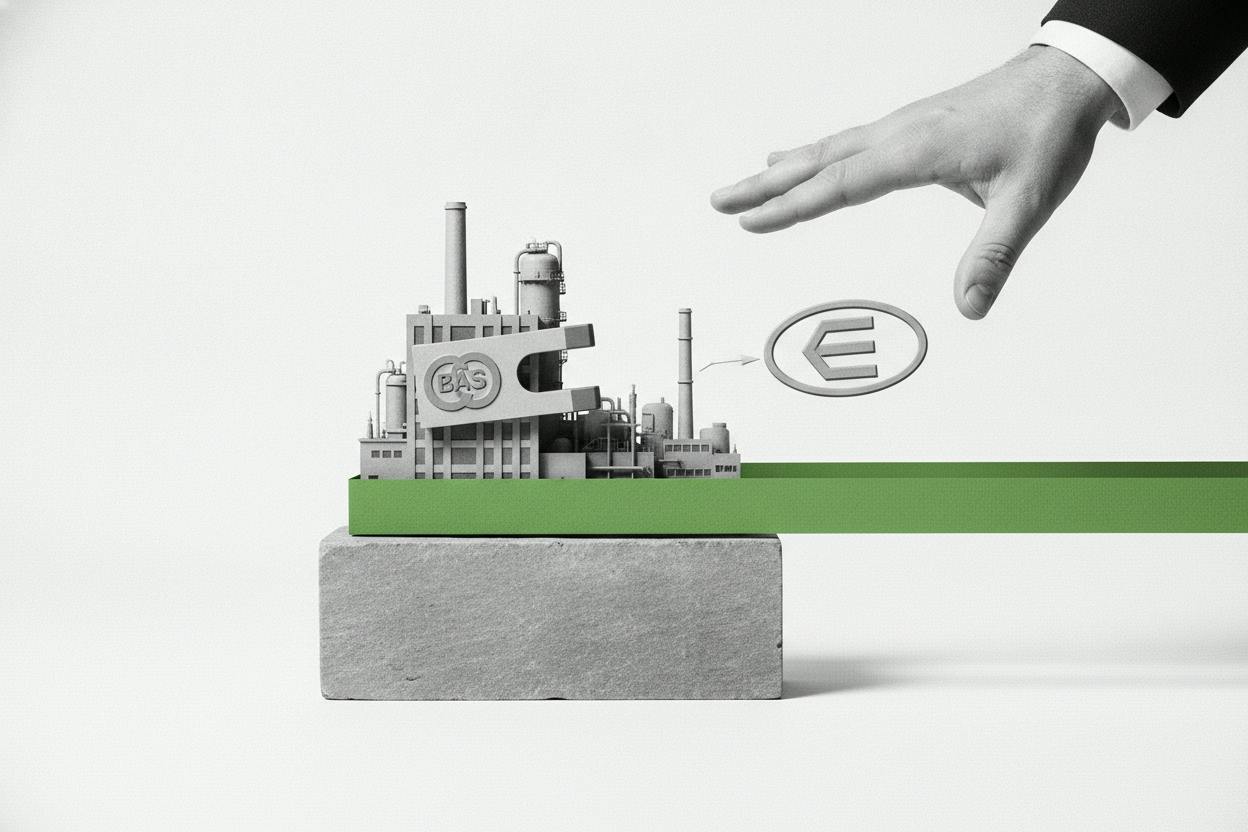
German chemicals giant BASF is reportedly preparing another bid to acquire rival Evonik, according to Bloomberg. The report says BASF has been in talks with politicians in North Rhine-Westphalia (NRW) and with Evonik's biggest shareholder, the RAG Foundation, ahead of an offer that could land within days.
This is not the first time BASF has eyed Evonik. The two companies have long been seen as potential merger partners in the fragmented European chemicals sector, but previous attempts have stalled. Now, with the industry facing pressure from high energy costs and weak demand, consolidation is back on the agenda.
What's driving the deal?
BASF's interest in Evonik is strategic. Evonik is a specialty chemicals player with strong positions in areas like nutrition, health, and sustainable solutions. A combination would create a global powerhouse and could help both companies cut costs and streamline operations.
But the deal is not just about price. It's about winning over the people who can block it. Bloomberg reports that BASF has written to NRW's state government, German lawmakers, and the RAG Foundation—which holds a 43% stake in Evonik—pledging to honor and even expand existing commitments on jobs and production sites. That's a clear sign that BASF knows it needs political and shareholder buy-in to get this over the line.
The RAG Foundation is a unique entity. It was set up to manage the legacy costs of Germany's coal mining industry, and its stake in Evonik is its main asset. Any sale would need its approval, and it's likely to drive a hard bargain.
Political and regulatory hurdles
Germany has been tightening its rules on takeovers, particularly when foreign buyers are involved, but this is a domestic deal. Still, the government has shown it's willing to intervene in big industrial transactions, as seen in recent moves to protect key companies. The political climate in Berlin and Düsseldorf will matter.
There's also the question of antitrust. A BASF-Evonik merger would create a giant in several chemical markets, and regulators could demand concessions. That's another reason BASF is trying to get ahead of the narrative by making promises about jobs and sites.
Germany's draft takeover rules, which target creeping low-ball bids, could also come into play if BASF tries to build a stake gradually. But for now, the focus is on a full offer.
What it means for investors
For everyday investors, this is a story about consolidation in a key European industry. If the deal goes through, it could reshape the chemicals sector and have ripple effects on suppliers, customers, and competitors.
For BASF shareholders, the risk is overpaying. Acquiring Evonik would be a massive undertaking, and integrating two large companies is never easy. For Evonik shareholders, the prospect of a takeover premium is attractive, but there's no guarantee the deal will happen.
The broader market is also watching. German investor morale has been showing signs of a slow recovery, and a major domestic M&A deal could be seen as a vote of confidence in the economy. At the same time, the chemicals industry is facing headwinds from high energy prices and global competition, so a merger could be a way to build resilience.
Investors should keep an eye on how the RAG Foundation responds and whether BASF formalizes its offer. The next few days could be decisive.
For more on the M&A landscape, see our coverage of Monday's M&A headlines and the draft takeover rules that could affect how such deals unfold.