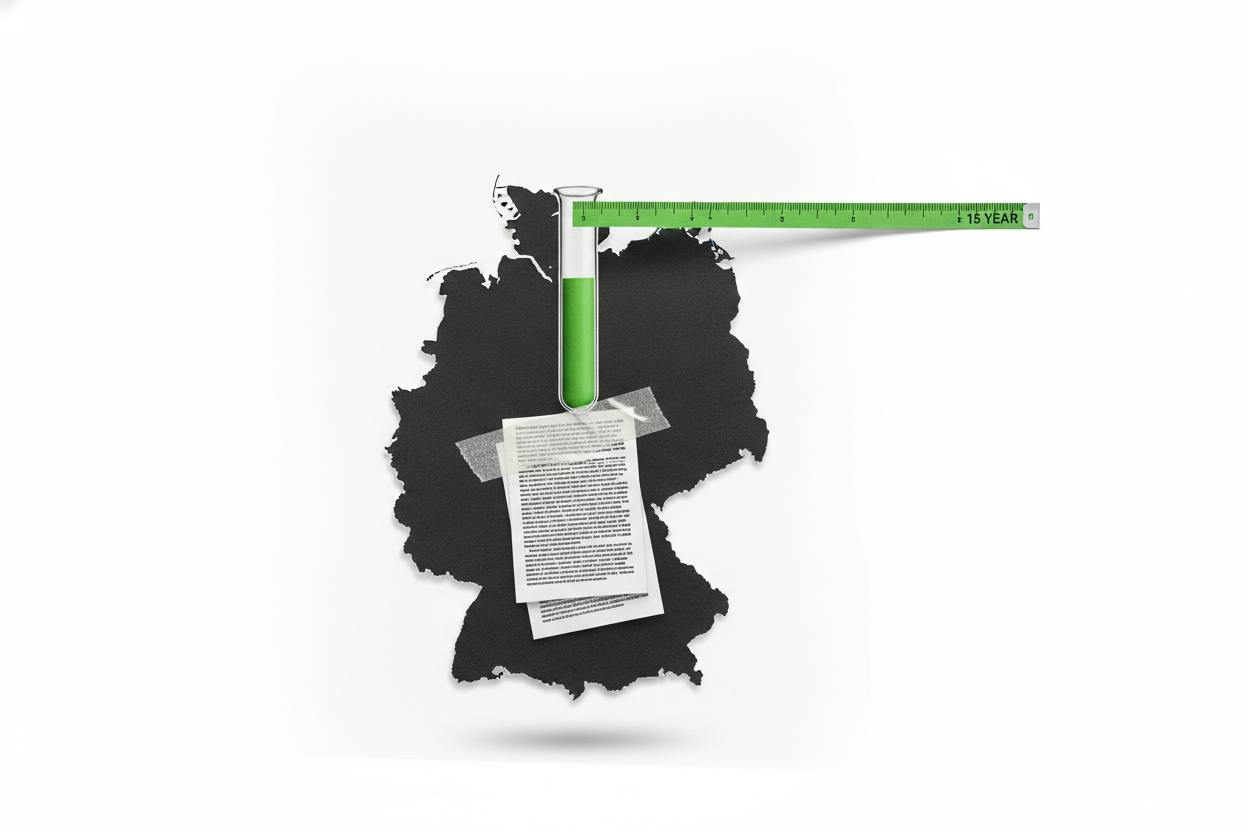
BASF's agricultural division, which is being carved out into a standalone business, is laying out ambitious growth targets as it prepares for a possible stock market debut. At a capital markets day, the unit said it aims to generate up to €15 billion in sales from product launches over the next 15 years, a move designed to help investors gauge the future value of the business ahead of a planned listing in Frankfurt by mid-2027.
The division, which sells seeds and crop-protection chemicals, competes in a global market worth roughly €130 billion, according to comments from division head Livio Tedeschi shared with Reuters. Management's headline promise is split between crop protection (€8.5 billion) and seeds (€6.5 billion), with a medium-term target for adjusted core earnings margin of about 23%.
Why the targets matter
These targets are not just internal benchmarks. They are a signal to public market investors who will eventually be asked to put a value on the business. When a company spins off a division, investors don't just look at current sales and profits; they try to assess whether the research and development pipeline can consistently turn into products that defend pricing and add revenue. That's especially important in agriculture, where older products face competition from generics and increasing regulatory scrutiny.
The €15 billion launch target is essentially BASF's pitch to "earn" a better valuation. By quantifying the potential from new products, the company is trying to translate its lab spending into a profit story that public markets can price. If the unit can keep rolling out new products, more of each additional euro of sales should drop to the bottom line, which is what the 23% margin goal is signaling.
However, the qualifiers "up to" and "no decision yet" are key. The eventual valuation—and how much value BASF can unlock for shareholders—will likely depend on whether investors believe the unit can hit those launches at that level of profitability compared with listed peers like Bayer and Corteva, and privately held rival Syngenta.
Flexible timing
BASF stressed that the timetable is flexible. It still aims for a Frankfurt listing by mid-2027 and has picked four banks to coordinate the deal, but it hasn't decided when to actually pull the IPO trigger. More detailed guidance will come once the separation is complete.
Keeping the timing open effectively gives BASF the option to wait for a market window that rewards that launch-and-margin profile. This is a common strategy for companies preparing a spin-off or IPO: they want to be ready to move when conditions are favorable, but they don't want to be forced into a listing during a downturn or when investor sentiment is weak.
For everyday investors, this news is a reminder that IPOs are often long and uncertain processes. The fact that BASF hasn't committed to a date means there's no immediate opportunity to buy shares in the ag unit. But it's worth watching because a successful listing could unlock value for BASF shareholders, and it would add another major player to the European agricultural chemicals and seeds sector.
What it means for investors
For BASF shareholders, the spin-off is a way to potentially realize value from a division that might be undervalued within the larger conglomerate. If the market rewards the ag unit with a higher valuation than it currently gets as part of BASF, that could boost the parent company's stock price.
For investors interested in the agricultural sector, the IPO would offer a new way to gain exposure to crop protection and seeds. Currently, the main listed players are Bayer and Corteva, with Syngenta privately held. A BASF ag listing would give investors another option to bet on the long-term growth of global food production.
However, the "up to" language and the lack of a firm timeline mean that investors should be cautious. The targets are ambitious, and there's no guarantee they will be met. The agricultural market is cyclical, and factors like commodity prices, weather, and regulatory changes can all affect demand for seeds and chemicals.
In the meantime, BASF's move is part of a broader trend of conglomerates breaking themselves up to focus on core businesses and unlock value. Similar stories have played out in other industries, as companies seek to simplify their structures and let each unit be valued on its own merits. For investors, these spin-offs can create opportunities, but they also come with risks, including the possibility that the separated business struggles to stand alone.
As the IPO process moves forward, investors will be watching for more details on the financials, the competitive landscape, and the regulatory environment. The next big milestone will likely be the completion of the separation, after which BASF is expected to provide more specific guidance on the listing.
For now, the €15 billion target is a statement of intent. Whether the market believes it will be achieved is another question. But by setting the bar, BASF is giving investors a yardstick to measure the business against—and a reason to pay attention.