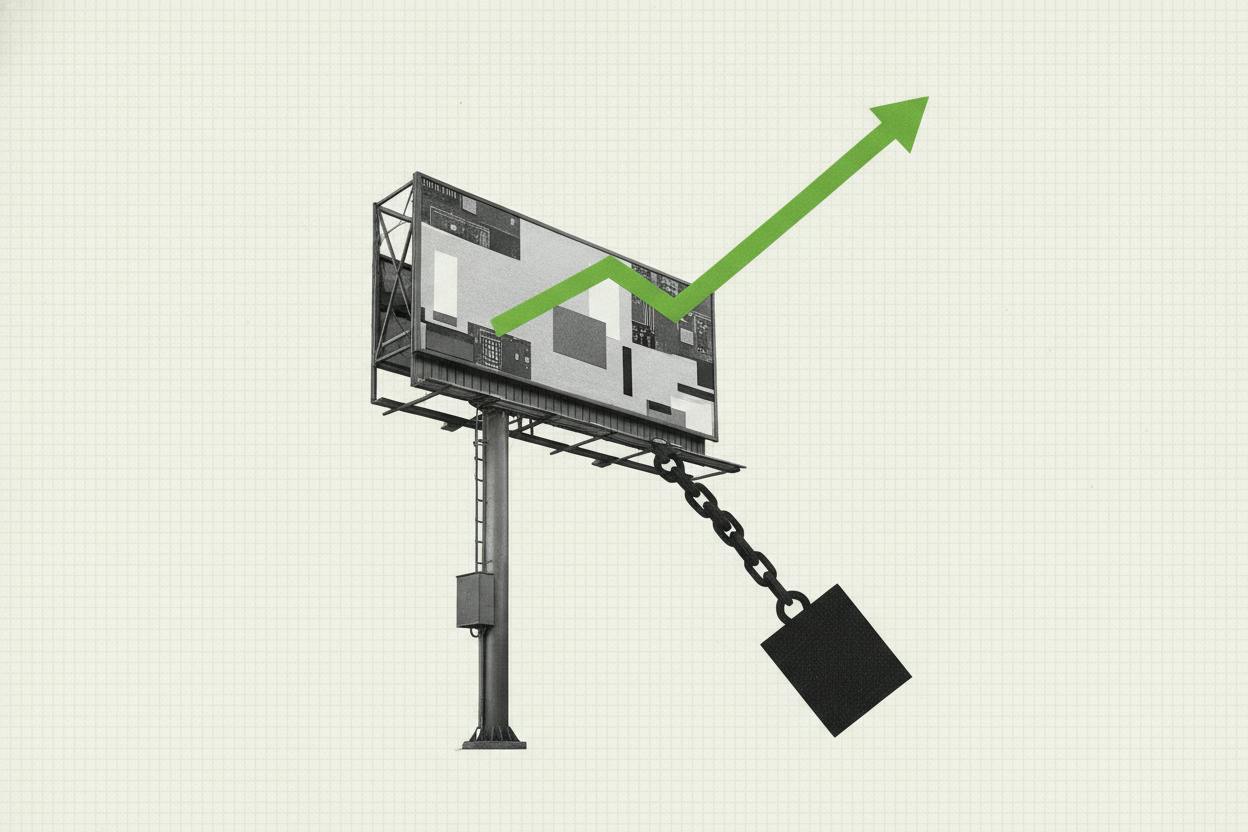
Outdoor advertising giant JCDecaux is heading into its third-quarter trading update with a slightly brighter growth outlook, after analysts at Berenberg nudged up their revenue forecast. But the upgrade comes with a caveat: the bank also trimmed its profit expectations, meaning the headline growth number may not translate directly into higher earnings per share.
What changed at Berenberg
In a note published Thursday, Berenberg said it now expects JCDecaux to report 6.5% organic revenue growth for the third quarter. That is above the company's own guidance of 5% and ahead of the 6.1% consensus among analysts. The bank attributed the improvement to easing headwinds in the Middle East and continued strength in other regions.
Organic growth, which strips out the effects of acquisitions, currency swings and other one-off items, is a key measure for companies like JCDecaux because it shows how the underlying business is performing. A beat on that metric would be a positive signal for investors, especially after a period of uncertainty in some international markets.
Berenberg also offered a longer-term view, suggesting the out-of-home advertising sector could grow at a 5% to 6% annual pace over the next three years. The bank points to the ongoing shift toward digital billboards and a growing appetite among brands for advertising that stands out in the physical world, even as online platforms dominate much of the ad market.
Why profit forecasts were trimmed
Despite the more upbeat revenue outlook, Berenberg lowered its earnings-per-share forecasts for JCDecaux. The main reasons are higher financing costs and a smaller accounting uplift from IFRS 16, the lease accounting standard that affects how rent-like contracts flow through the income statement.
IFRS 16 requires companies to recognise most leases on their balance sheet as assets and liabilities, and to record interest expense on those lease liabilities. For a company like JCDecaux, which operates a vast network of billboards and street furniture under long-term contracts, the impact can be significant. A smaller restatement under this rule means less of a boost to reported profits.
In plain terms: stronger sales help, but more of that benefit may be absorbed by interest costs and lease-related accounting effects. That is why Berenberg kept its price target on JCDecaux at €29, even as it raised its growth view.
What it means for investors
The unchanged price target is telling. Normally, when analysts raise their growth forecasts, they also lift their target price. Here, the bank is signalling that the debate has shifted from “is demand holding up?” to “how much cash is left after funding costs and lease accounting?”.
If those below-the-line drags persist, the same €29 target implies a richer valuation. In other words, any re-rating of the stock would have to come from investors paying a higher multiple for the shares, rather than from higher earnings.
For everyday investors, this is a reminder that a company's reported growth doesn't always flow straight to the bottom line. Costs that sit below operating profit—like interest on debt and lease liabilities—can eat into what shareholders ultimately receive. It's worth looking beyond the top-line number to understand what's driving earnings.
JCDecaux is one of the world's largest outdoor advertising companies, with a presence in cities across Europe, Asia, the Americas and the Middle East. Its fortunes are closely tied to consumer spending and urban activity, as advertisers pay for space on billboards, bus shelters, and digital screens. The company's next quarterly update will be closely watched for signs that the Middle East headwinds are truly fading and that growth elsewhere remains steady.
Berenberg's move also comes against a backdrop of mixed signals in the broader market. While some companies are seeing strong demand, others are facing cost pressures and currency volatility. For a sense of how other firms are navigating similar challenges, investors might look at how UBS lifted its Chevron forecast on refining strength, or how Rorze raised its full-year profit outlook after a strong first half.
Ultimately, the JCDecaux story is about a company that is growing, but not necessarily becoming more profitable at the same pace. For investors, the key question is whether the growth can outpace the costs—and whether the market will reward the stock accordingly.