Solidigm, the flash memory business owned by South Korea's SK Hynix, has reportedly selected the investment banks that will manage its initial public offering (IPO) in the United States, according to sources familiar with the matter. The move brings the company a step closer to a listing that could come as early as next year, as memory-chip makers ride a wave of demand driven by artificial intelligence.
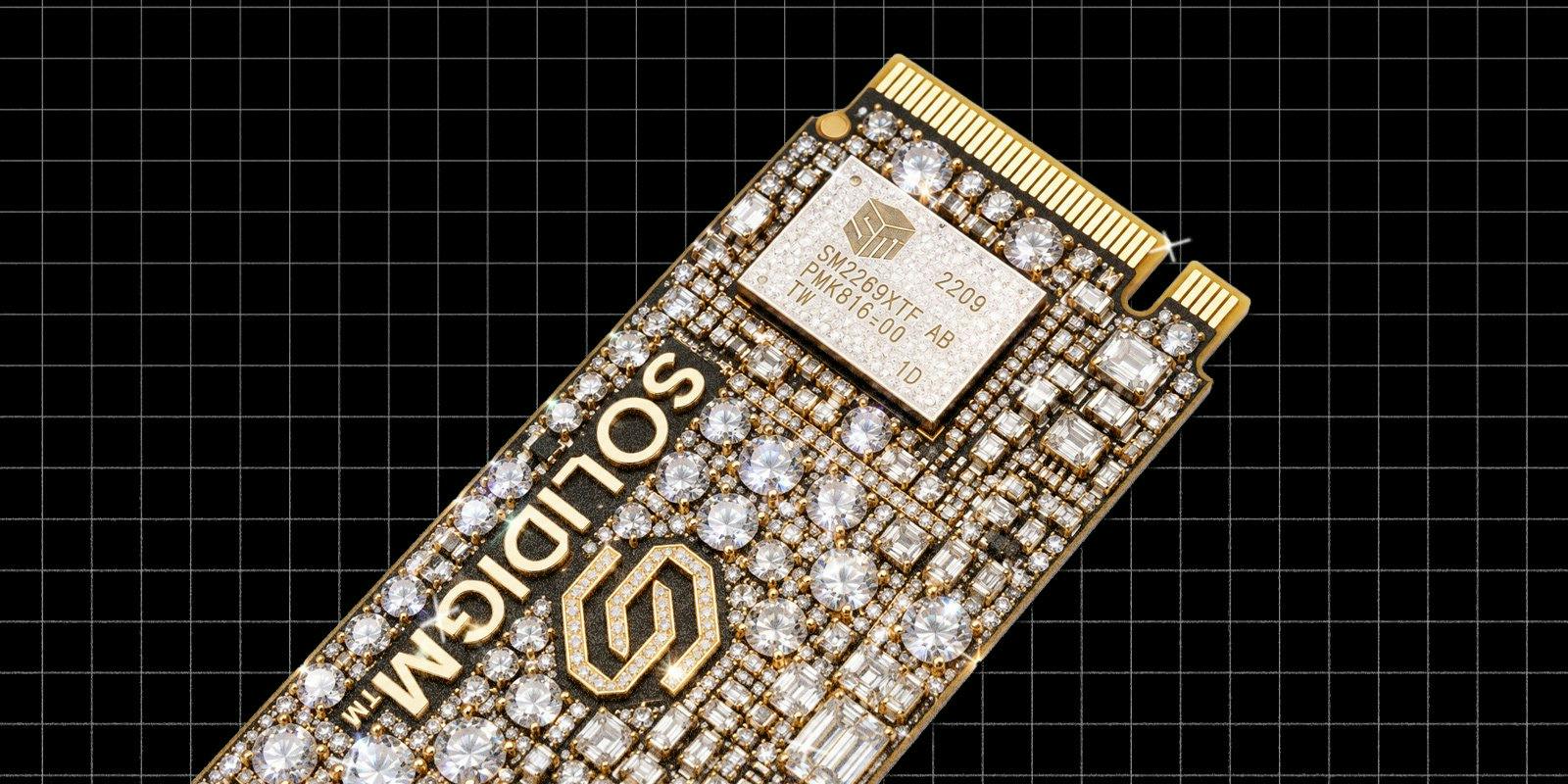
The company, which SK Hynix acquired from Intel in 2021 for $9 billion, makes high-capacity solid-state drives (SSDs) that are essential for data centers running AI workloads. After struggling through a memory price slump that led to billions in losses, Solidigm returned to profitability in 2024, and reportedly generated around $4 billion in revenue in the first half of 2026.
From Intel castoff to AI darling
Solidigm's journey illustrates how quickly the memory chip market can turn. When SK Hynix bought the NAND flash memory division from Intel, the deal was seen as a way to expand into the enterprise storage market. But the industry soon faced a glut of supply, sending prices tumbling and pushing manufacturers into the red.
The arrival of generative AI changed the calculus. Training and running large language models requires vast amounts of data storage, and the high-capacity drives Solidigm produces are in strong demand. Data center operators need to store enormous datasets, and the speed at which they can access that data is critical. This has turned memory chips from a commodity into a strategic component of the AI boom.
Solidigm's recovery mirrors a broader trend in the sector. Samsung's AI memory chip boom has lifted its profit nearly nine-fold, and SK Hynix has helped lead a KOSPI rebound as memory prices recover. The entire memory industry is now benefiting from AI-related demand, with companies scrambling to expand production capacity.
A rush to list
Solidigm's potential IPO comes as other memory makers are also exploring public listings. The sector's newfound profitability has made it attractive to investors, and companies are eager to capitalize on the momentum. This stands in contrast to some high-profile AI companies, such as OpenAI, which have reportedly delayed their own IPO plans.
The choice of banks is a key early step in the IPO process. These banks will help the company prepare its financial disclosures, set a valuation, and ultimately market the shares to institutional investors. While the specific banks have not been named, the selection suggests that Solidigm is moving forward with its plans.
The listing would give SK Hynix a way to unlock value from its subsidiary, potentially raising capital that could be used to fund further expansion or pay down debt. It would also give public investors a chance to own a piece of the AI storage boom.
What it means for investors
For everyday investors, the Solidigm IPO is a sign of how deeply AI is reshaping the technology landscape. Memory chips, once seen as a cyclical and volatile business, are now at the center of the AI revolution. Companies that make the storage and processing components for AI systems are seeing their fortunes rise.
But investors should be cautious. Memory chip prices are notoriously cyclical, and the current boom could eventually cool. Samsung's AI memory boom is real but losing some steam, according to recent analysis, suggesting that the market may be nearing a peak. If AI demand slows or memory supply catches up, prices could fall again, hitting companies like Solidigm.
An IPO would also expose Solidigm to the scrutiny of public markets, where quarterly earnings expectations can be demanding. The company will need to show that it can sustain its profitability and grow its market share in a competitive field that includes Samsung, Kioxia, and Western Digital.
For now, the memory sector is enjoying a tailwind. Huawei has raised phone prices partly because of rising memory costs, and AMD is looking to secure memory chip supply as AI demand strains the market. These dynamics suggest that memory makers will remain in focus for some time.
Investors who are interested in the AI trade should watch for more details on the Solidigm IPO, including the expected valuation and the timing. A successful listing could pave the way for other memory companies to follow, and it would give retail investors a new way to participate in the AI-driven demand for data storage.
As always, it's important to do your own research and consider how any investment fits into your overall portfolio. IPOs can be volatile, and the memory chip market is subject to swings. But the Solidigm story is a clear example of how AI is creating new opportunities—and new risks—in the technology sector.