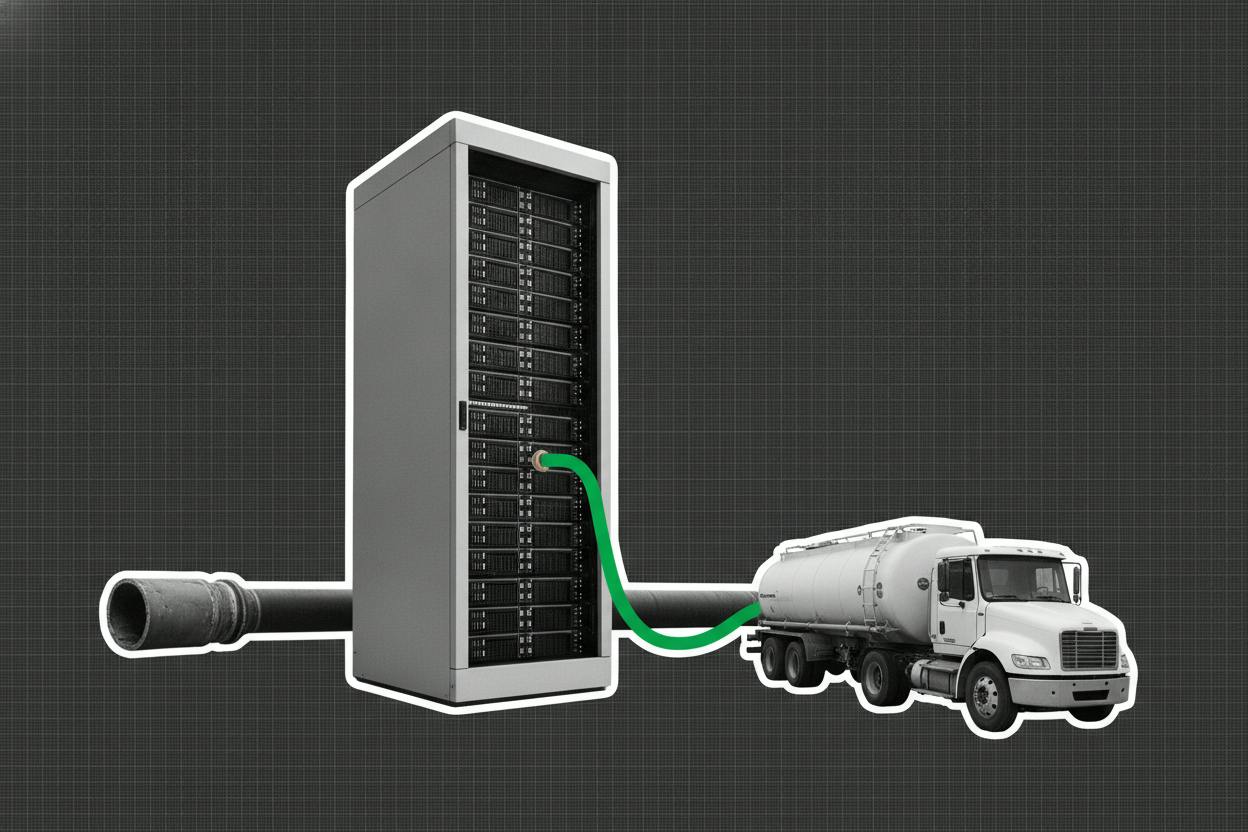
Oracle is weighing an unusual fix to keep one of its data center projects on track: trucking in compressed natural gas (CNG) to power the site. Bloomberg reported Thursday that the company is considering the move for its Project Jupiter facility in New Mexico after a pipeline that was supposed to supply energy fell behind schedule.
Data centers are voracious consumers of electricity, and the infrastructure that feeds them is becoming a bottleneck for the AI boom. When a pipeline is delayed, the entire build-out can stall. Oracle's response shows how far companies are willing to go to keep their cloud expansion plans moving.
What's behind the delay?
Bloomberg said Oracle also sent a force majeure notice to the project's developer in September. That's a contract clause that can pause or shift obligations when events outside a party's control disrupt delivery. It's a legal tool, not a power source. If the pipeline isn't ready, Oracle still needs another way to fuel on-site generation.
That's where trucking CNG comes in. Bloomberg pointed to Superior Plus' Certarus, a fuel logistics provider, which has kept a data center near Salt Lake City running for more than a year with gas deliveries. It also mentioned VoltaGrid, a mobile power company, supplying an Oracle campus being built for OpenAI in Texas.
These workarounds can keep servers humming, but they turn energy into a supply-chain problem. Costs can swing based on transport distances, fuel availability, and the reliability of deliveries.
What it means for investors
For Oracle shareholders, the immediate concern is whether Project Jupiter can come online as planned and at what cost. Trucking CNG is generally more expensive and less predictable than a fixed pipeline feed. That could raise the operating costs of the data center, which in turn could pressure margins on the cloud services Oracle sells.
The force majeure notice may help limit who pays for some delay-related costs, but it doesn't resolve the bigger question: when will the site add dependable, scalable computing power, and what will it cost to run? That timing and margin uncertainty can weigh on sentiment even if the site stays operational day to day.
This isn't just an Oracle problem. The AI data center boom is straining energy grids worldwide, and companies are getting creative. Some are signing long-term power purchase agreements, others are building their own generation, and a few are resorting to trucked fuel. Each approach has trade-offs.
For everyday investors, the takeaway is that the AI build-out is as much about energy logistics as it is about chips and software. Delays and cost overruns at any link in the chain can ripple through earnings. Oracle's move is a reminder that even the biggest tech companies aren't immune to infrastructure bottlenecks.
Investors will likely watch for updates on Project Jupiter's timeline and any commentary from Oracle about energy costs. The company has been spending heavily on data centers to meet AI demand, and any hiccup could affect its cloud growth narrative.
In the meantime, the trucking solution is a stopgap. It keeps the project moving, but it's not a permanent fix. The pipeline will eventually be built, or Oracle will find another long-term energy source. Until then, the company is paying a premium for flexibility.
For those tracking the broader market, this story fits into a larger pattern of data center projects facing infrastructure hurdles, from local opposition to grid constraints. The race to build AI capacity is colliding with the physical limits of energy delivery.
Oracle's situation also highlights the growing role of mobile power providers like VoltaGrid and Certarus. These companies are becoming essential partners for tech firms that can't wait for permanent infrastructure. That's a niche but potentially lucrative business, and it's worth watching as the AI build-out continues.
For now, Oracle is doing what it takes to stay on schedule. Whether that means higher costs or a smoother launch remains to be seen. Investors should keep an eye on the company's earnings calls for any mention of energy expenses or project delays.