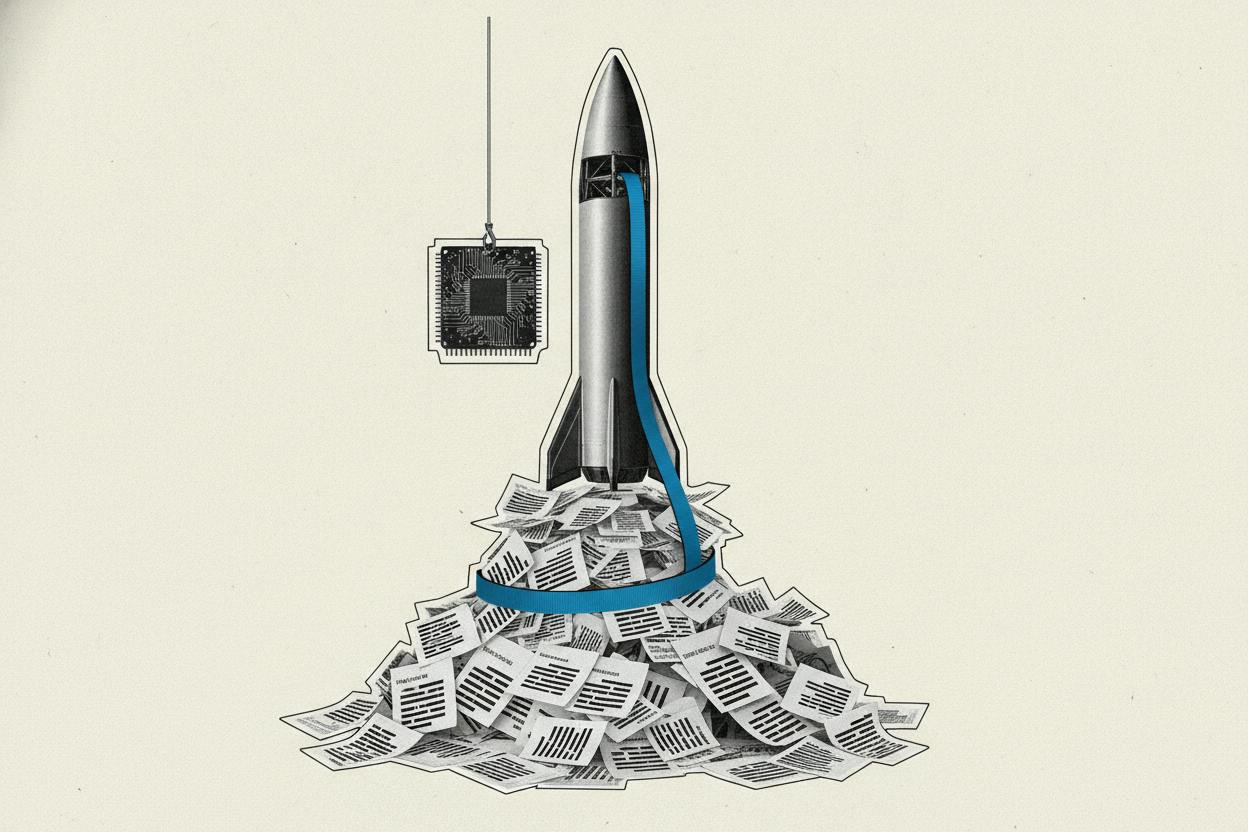
Samsung Electronics is expected to post a near nine-fold surge in third-quarter operating profit, driven by booming demand for memory chips used in artificial intelligence systems. But the explosive growth story has cooled slightly in recent weeks, as analysts trim their forecasts amid softer memory prices and a stronger South Korean won.
The numbers behind the boom
Analysts still expect Samsung's operating profit for the July-to-September period to come in roughly nine times higher than the same quarter last year. That would mark another blockbuster quarter for the world's largest memory chipmaker, which has been a primary beneficiary of the AI-driven build-out of data centers and servers.
However, the outlook has become less rosy since the end of August. Forecasts have been cut as memory-chip price gains have cooled from their earlier torrid pace, and as the won's appreciation against the dollar has reduced the value of Samsung's overseas earnings when converted back to local currency.
The combination of these two factors has led analysts to temper their expectations, even as the underlying demand for AI chips remains strong. The company is scheduled to release its preliminary third-quarter results in the coming weeks, and investors will be watching closely for any signs that the memory upcycle is peaking.
Why memory prices matter
Memory chips, particularly high-bandwidth memory (HBM) used in AI accelerators, have been a key driver of Samsung's recent profit recovery. The AI boom has created a surge in demand for these specialized chips, which are essential for training and running large language models and other AI applications.
But memory prices are cyclical, and the pace of price increases has begun to slow. This is a normal part of the cycle, but it can spook investors who have grown accustomed to rapid gains. The cooling in prices suggests that the initial supply crunch may be easing, as manufacturers ramp up production and customers build up inventories.
The won's strength adds another layer of complexity. A stronger won makes Samsung's products more expensive for overseas buyers and reduces the value of its dollar-denominated sales when converted to won. This is a headwind that can shave a few percentage points off profit growth, even when underlying demand is solid.
What it means for investors
For everyday investors, the key takeaway is that Samsung's AI memory boom is real, but it may not be as explosive as earlier hoped. The company is still set to deliver a massive year-over-year profit increase, which is a positive sign for the broader tech sector. But the cooling forecasts serve as a reminder that even the hottest trends can face headwinds.
Investors should watch for Samsung's official earnings release, which will provide more detail on memory prices, HBM demand, and the impact of currency movements. The results could also offer clues about the health of the AI supply chain, which has been a major driver of global markets this year.
For those with exposure to Samsung or other memory chipmakers, it's worth remembering that these stocks can be volatile. The memory market is cyclical, and prices can turn quickly. While the long-term AI story remains intact, short-term fluctuations are to be expected.
As investors await Samsung's earnings for chip sector clues, the broader market will be watching to see if the AI trade can sustain its momentum. The company's results could also influence sentiment across the tech sector, as seen in recent moves in Wall Street profits near record levels.
Ultimately, Samsung's story is a reminder that even the most promising growth narratives can face reality checks. The AI memory boom is genuine, but its pace may be slowing. For investors, that means staying informed and not getting caught up in the hype.