Best Buy, the largest US electronics retailer, gave investors a reason for holiday cheer on Tuesday: it raised its full-year sales outlook after a third quarter that beat Wall Street's expectations. The company said shoppers were willing to open their wallets for high-end gadgets, particularly those with artificial intelligence features, spending more than $1,500 on phones, TVs, and wearables.
For the three months through October, comparable sales—a key retail metric that strips out the effect of newly opened or closed stores—rose 6.1%. That was well ahead of the 2.3% growth analysts had penciled in. Total revenue climbed 5.8% to $10.24 billion, also topping forecasts, according to data from LSEG cited by Reuters.
On the back of that momentum, Best Buy lifted its annual comparable sales growth target to a range of 3.4% to 4%, up from its previous forecast of 1.9% to 3%. It also nudged up its fiscal 2027 adjusted earnings per share guidance to $6.90–$7.05, from $6.70–$6.90.
Why high-end tech is selling
The results suggest that even as many households feel the pinch of higher prices and borrowing costs, a meaningful slice of consumers are still willing to pay up for the latest technology. AI-enabled devices—phones that can translate conversations in real time, TVs with smarter picture processing, and wearables that track health with greater precision—are becoming the new must-haves for early adopters.
But the picture is not uniform. Best Buy's management noted that higher-income shoppers are holding up better than those on tighter budgets. That echoes a broader trend seen across retail, where discounters like Dollar Tree have benefited from shoppers trading down, while premium brands and experiences continue to attract affluent consumers.
The cost squeeze ahead
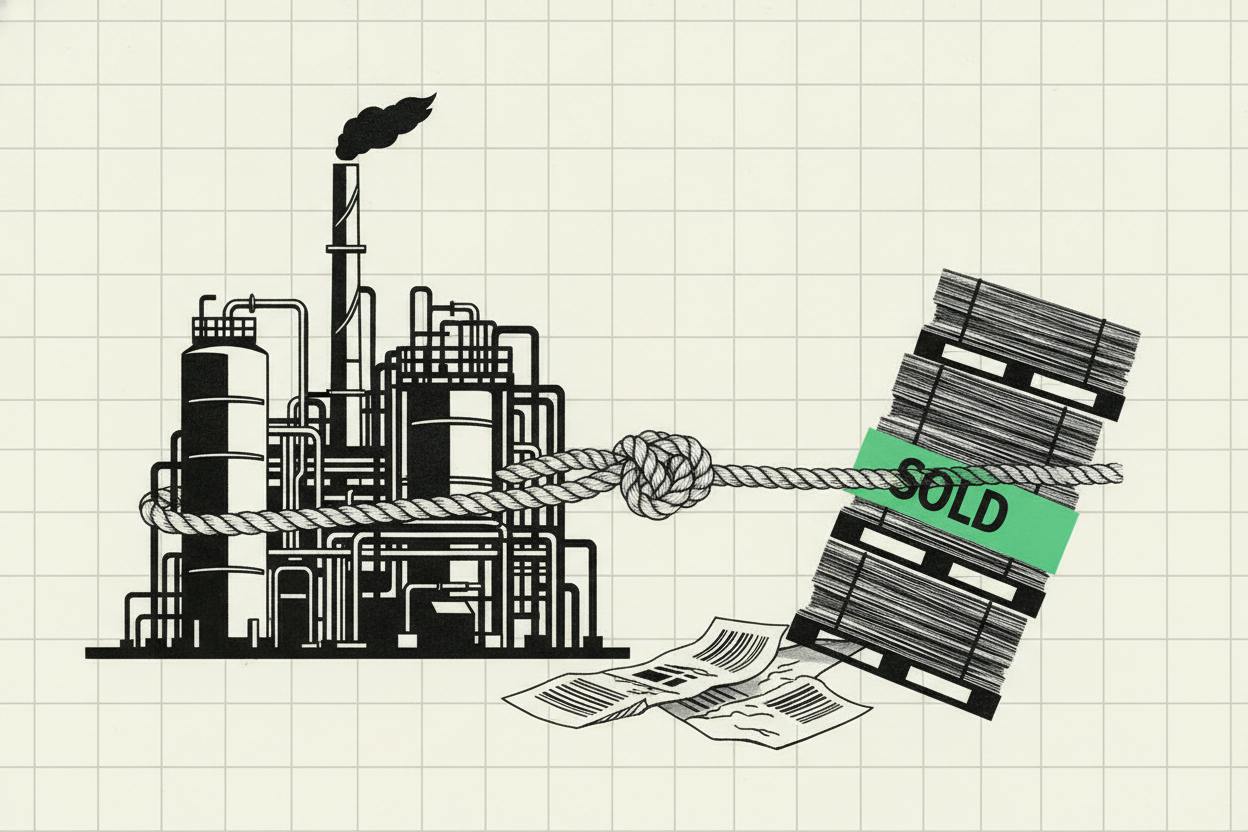
There's a catch, though. Best Buy flagged that rising memory chip costs are pushing up the prices of the very products that are selling well. Memory chips are a key component in smartphones, laptops, and other electronics, and their prices have been climbing due to a supply crunch and surging demand from AI data centers.
For retailers, higher product costs create a classic dilemma: pass the increase on to customers and risk dampening demand, or absorb it and watch profit margins shrink. If Best Buy has to offer steeper discounts during the holiday season to move inventory, its gross margin could come under pressure.
That's where the company's strategy comes into play. Best Buy is leaning harder into what it calls "alternate" revenue streams—advertising on its website and app, and commissions from its online marketplace where third-party sellers list products. These fee-based businesses generate income that isn't directly tied to the cost of the hardware Best Buy buys from manufacturers.
"When product costs rise, retailers typically face a trade-off: pass those costs on and risk demand, or discount and give up gross margin," said a retail analyst. "Fee-based revenue from ads and marketplace commissions can soften that squeeze, because it scales with traffic and sales volume but isn't directly reduced by higher hardware costs."
In other words, even if Best Buy has to cut prices on a laptop to stay competitive, it can still earn money from the ads it shows to the shopper who clicks "buy." That makes its profit outlook less dependent on the ups and downs of the gadget cycle.
What it means for investors
Best Buy's updated guidance suggests management is confident that the holiday season will be solid, at least for higher-end electronics. But the company's ability to protect its bottom line will depend on how well it can grow those fee-based revenue streams.
Investors may start paying closer attention to which retailers can build similar margin buffers. Two companies can post the same comparable-sales growth and still deliver very different earnings depending on how much profit comes from these higher-margin side businesses. If Best Buy keeps expanding its advertising and marketplace operations, its profit outlook could look steadier than that of electronics-heavy peers like Target.
For everyday investors, the takeaway is that Best Buy's results are a positive sign for consumer spending on discretionary tech items, but the rising cost of components is a reminder that retailers' profits aren't just about how much they sell—it's also about how efficiently they can turn those sales into earnings.
As the holiday shopping season unfolds, all eyes will be on whether the demand for AI gadgets holds up and whether Best Buy can manage its costs without sacrificing growth. The company's raised outlook is a vote of confidence, but the real test comes in the next few months.