BHP's efforts to reach a new wage agreement with workers at its Port Hedland operations in Western Australia have hit another roadblock. Unions have rejected the miner's latest offer of a 16% pay increase over four years, saying it still falls short of what workers need. Negotiations are scheduled to resume on August 25.
The dispute at a glance
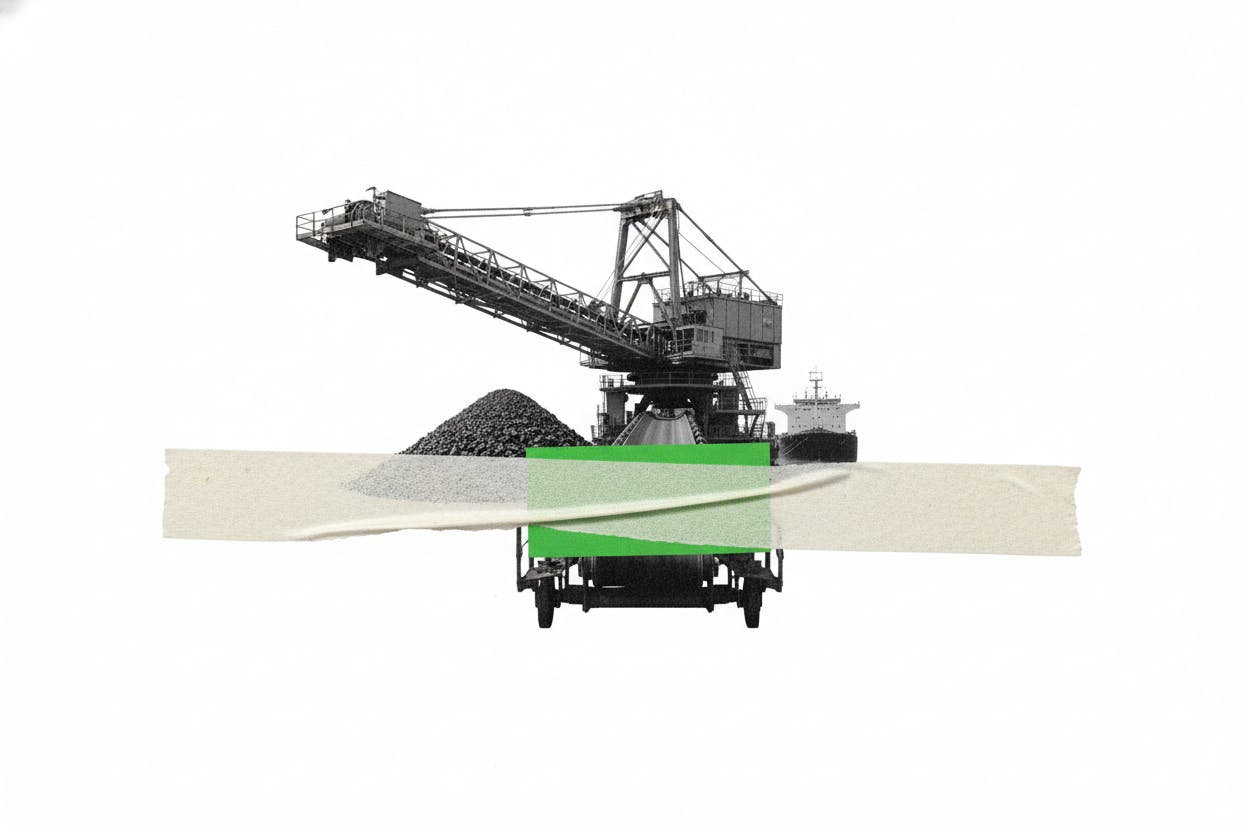
The talks cover roughly 450 operators and maintenance workers at Port Hedland, which is a critical part of the world's largest iron ore export hub. BHP ships about $80 million worth of ore from the port every day, making it a vital link in the company's supply chain and a major contributor to its revenue.
Unions argue that the headline wage number isn't enough. They say the proposal lacks what they call "enforceable" protections on pay and conditions. Workers point to the extreme heat, long shifts, and time spent away from family as factors that should be reflected in the agreement, not just in the percentage increase.
This is not the first time the two sides have been at odds. The dispute has been simmering for months, and this latest rejection marks another setback in a process that has already seen multiple rounds of bargaining.
Why Port Hedland matters
Port Hedland is more than just a port. It's the export gateway for iron ore from the Pilbara region, which is home to some of the world's richest iron ore deposits. BHP, along with other major miners like Rio Tinto and Fortescue, relies on this infrastructure to move massive volumes of ore to customers in Asia, particularly China.
The port's importance means that any disruption to operations could have ripple effects. A prolonged strike or work stoppage could delay shipments, potentially affecting global iron ore prices and BHP's bottom line. However, it's worth noting that industrial action in Australia's mining sector has historically been resolved without causing major long-term supply disruptions.
For investors, the key question is whether this dispute will escalate or be resolved quickly. BHP has a track record of reaching agreements with its workforce, but the unions' insistence on enforceable conditions suggests that the sticking points go beyond just the wage figure.
What it means for investors
For everyday investors, this story is a reminder that even the world's biggest miners face labor challenges that can affect their operations and, potentially, their share prices.
If the dispute drags on, BHP could face higher labor costs or, in a worst-case scenario, production disruptions. That could weigh on its earnings and, by extension, its stock price. On the other hand, a quick resolution would remove a source of uncertainty and allow the company to focus on its core business.
Investors should also keep an eye on the broader iron ore market. Iron ore prices have been volatile in recent years, influenced by demand from China and global supply dynamics. Any disruption at Port Hedland could add to that volatility, at least in the short term.
It's also worth remembering that BHP is a diversified miner, with interests in copper, coal, and other commodities, not just iron ore. So even if this dispute causes some turbulence, the company's overall portfolio provides a degree of resilience.
What to watch next
The next key date is August 25, when negotiations are set to resume. Investors will be watching for signs of progress or further escalation. If the two sides remain far apart, there's a chance of industrial action, which could disrupt operations.
In the meantime, BHP's management will likely try to reassure investors that the dispute is manageable and that they are committed to reaching a fair agreement. The company has a strong balance sheet and a history of navigating labor relations, but this is a test of its ability to balance worker demands with shareholder interests.
For those with exposure to BHP shares, either directly or through index funds, this is a story worth monitoring. Labor disputes are a normal part of doing business in the resources sector, but they can have real financial consequences if they escalate.
As always, it's important to keep perspective. A single labor dispute, even at a key facility, is unlikely to derail a company of BHP's size. But it's a reminder that investing in commodities comes with its own set of risks, including operational and labor-related challenges.