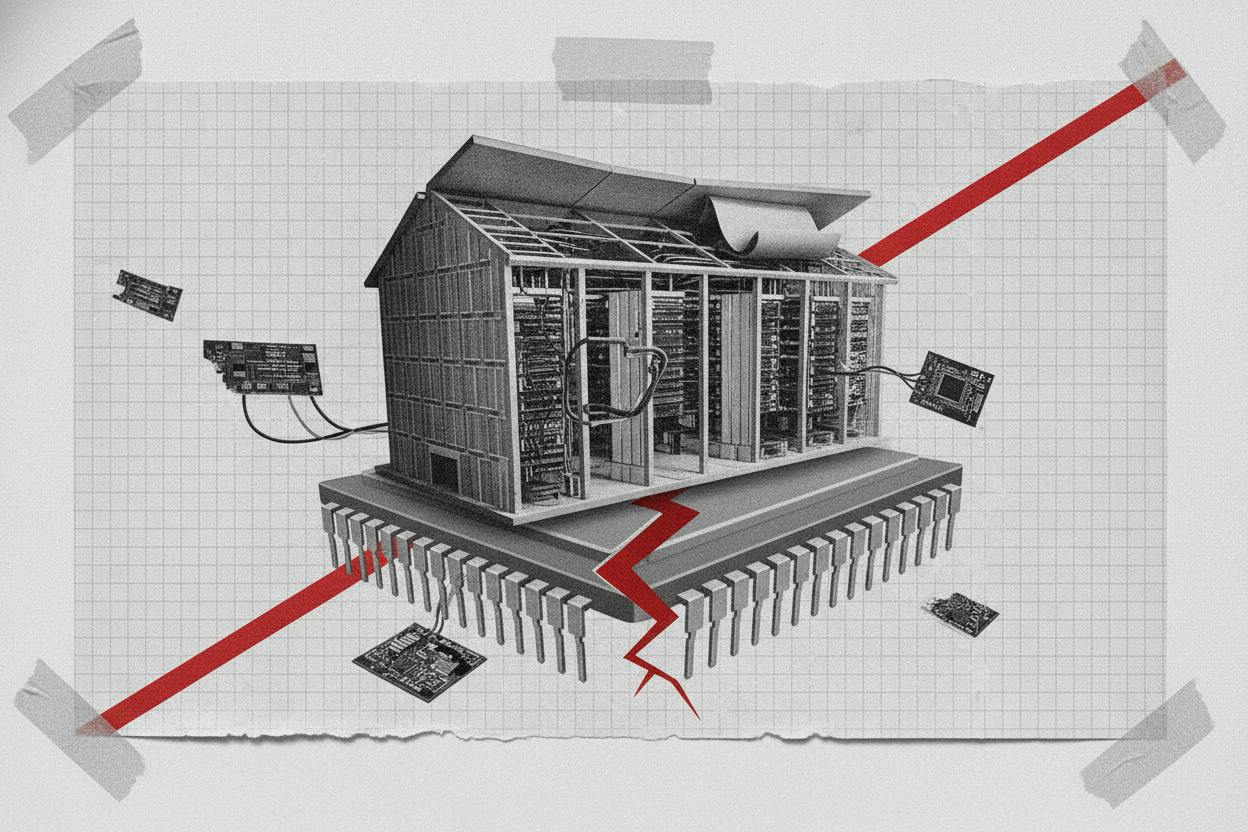
US stocks closed the week lower, with the S&P 500 slipping to 7,376.86, as a wave of selling hit Big Tech and the companies that supply the infrastructure for data centers. The trigger: growing worries that the pace of new data center construction could slow after the Democratic Party won control of Congress in the midterm elections.
The pullback came even as the latest jobs report showed a stronger-than-expected labor market, a sign that the economy remains resilient. But for many investors, the prospect of slower data center buildouts outweighed the good news on employment.
What's behind the data center worries?
Data centers are the massive facilities that house the servers and computing power behind cloud computing, artificial intelligence, and much of the modern internet. For years, they've been a major growth engine for tech companies and their suppliers. But the election outcome has raised questions about whether that growth will continue at the same pace.
Macquarie, an Australian investment bank, said the election result increased the odds of a "mandated slowdown" in new data center builds. The thinking goes that a Democratic-controlled Congress could push for stricter regulations, environmental reviews, or energy policies that make it harder or more expensive to build these energy-hungry facilities.
Strategist Thierry Wizman argued that the impact would reach well beyond just the tech sector. Fewer data center projects can quickly show up as softer demand for everything from semiconductors to cooling systems to construction services.
Chipmakers and 'picks-and-shovels' names hit hardest
The selloff wasn't limited to a single stock or sector. Chipmakers, which are the core component of data centers, were among the biggest losers. Micron, a major memory chip producer, saw its shares plunge 22% for the week. Other semiconductor companies and software firms that provide the "picks and shovels" for building and running data centers also took a hit.
This is a classic pattern in tech investing: when investors worry about the growth of a key end market, they tend to sell the suppliers first. The term "picks and shovels" refers to companies that sell the tools and materials needed for a boom, rather than the final product. In the data center world, that includes chipmakers, server makers, and software companies that help manage these facilities.
The weakness in tech also dragged down broader market indexes. The S&P 500's decline was led by the technology sector, and the Nasdaq, which is heavily weighted toward tech, fared even worse. European markets also felt the ripple effects, with Swiss stocks sliding and the DAX falling 2% on AI regulation fears.
Strong jobs report adds to the mix
At the same time, the October jobs report came in stronger than expected, showing that the labor market remains robust. That's generally good news for the economy, but it also has a downside for stocks: a strong jobs report can increase the odds that the Federal Reserve will keep interest rates higher for longer to fight inflation.
Higher interest rates make borrowing more expensive, which can slow down capital-intensive projects like data center construction. They also make future earnings less valuable to investors, which tends to hit high-growth tech stocks the hardest. This dynamic was on display this week, as financial stocks also came under pressure as bond yields stayed high.
Interestingly, chip stocks led a rebound earlier in the week when the jobs data first came out, but that momentum faded as the data center concerns took center stage.
What it means for everyday investors
For ordinary investors, this week's selloff is a reminder that tech stocks, especially those tied to data centers and AI, can be volatile. When the market worries about a slowdown in a key growth area, even strong companies can see their share prices drop sharply.
It's also a lesson in how interconnected the market is. A political event like an election can have ripple effects across sectors, from chips to software to energy. And a strong jobs report, which might seem like good news, can actually hurt stocks if it leads to higher interest rates.
Investors should also note that the selloff wasn't uniform. While tech was hit hard, other sectors like energy showed some resilience, with energy stocks rising despite a slip in oil prices. That's a sign that diversification can help cushion the blow when one sector stumbles.
Looking ahead, the key question is whether the data center slowdown fears are overblown or the start of a real trend. Some companies, like OpenAI, are pushing ahead with US data center plans despite the political backlash, suggesting that demand for computing power remains strong. But if the political climate turns more hostile, those plans could change.
For now, investors should keep an eye on earnings reports from tech companies and any policy signals from Washington. The coming weeks will likely show whether this week's selloff was a temporary blip or the beginning of a longer correction.