OpenAI is pressing ahead with plans to build new data centers across the United States, even as local opposition has turned the projects into a political flashpoint and, according to Reuters, contributed to recent market jitters. The ChatGPT maker's chief financial officer, Sarah Friar, told CNBC that adding computing capacity remains the company's top priority as demand for its AI tools continues to climb.
But the path to new facilities is no longer purely a matter of engineering and financing. In fast-growing states like Texas, data centers became a midterm election issue, with politicians promising tougher scrutiny of the massive power and water demands these projects bring. That political attention has injected a new layer of uncertainty into what was once a straightforward construction timeline.
What OpenAI is changing
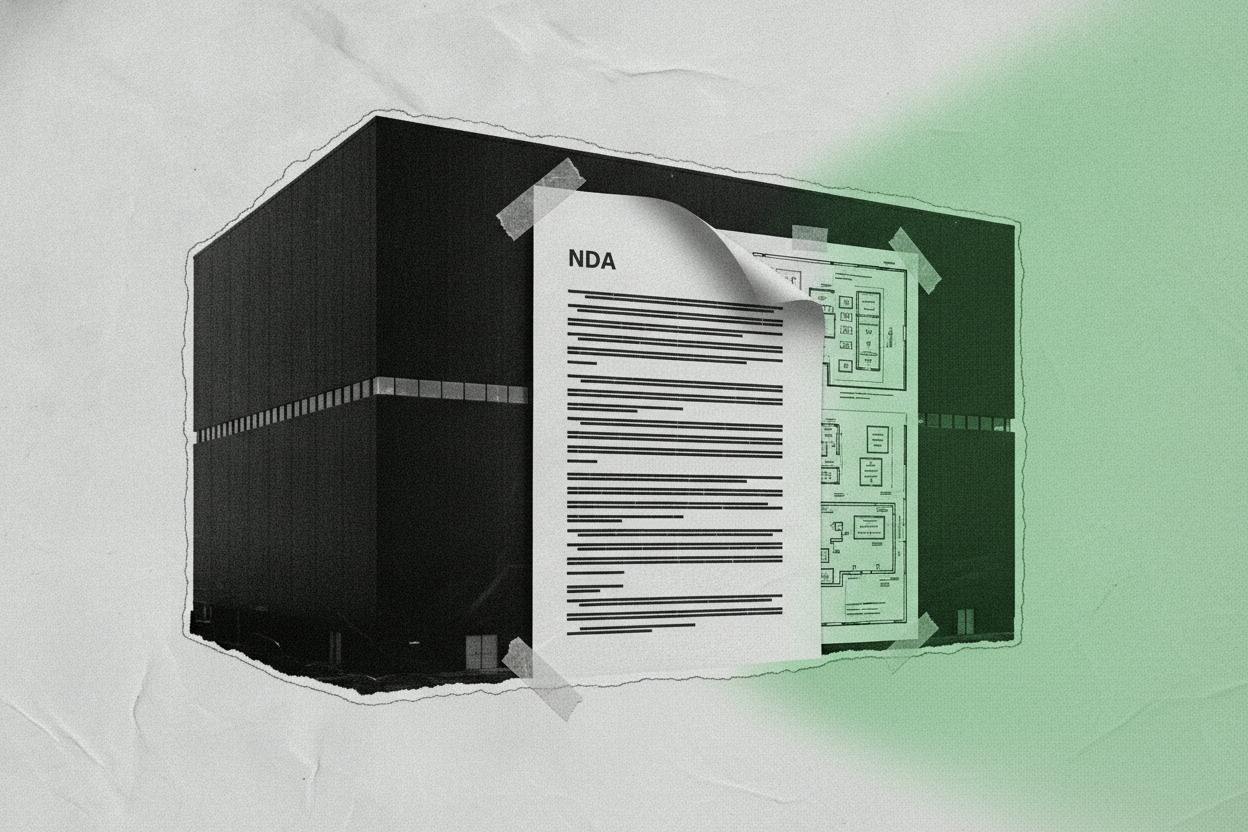
To keep projects moving, OpenAI says it will stop using non-disclosure agreements (NDAs) with public officials and will share site plans and impact details with nearby residents. The goal is to reduce community friction so that permits and approvals don't become the bottleneck.
NDAs have been a common tool for tech companies to keep details of large projects confidential until deals are finalized. But in the data center boom, they've also fueled suspicion among local communities worried about noise, water use, and strain on the power grid. By opening up earlier, OpenAI hopes to build trust and shorten the approval process.
The company's approach reflects a broader shift in the industry. As voter backlash threatens a significant share of planned US data center capacity, other big tech firms are also spending heavily on new facilities, making community relations a competitive issue.
Why it matters for markets
For investors, the near-term risk isn't that companies suddenly stop needing computing power. It's that approvals become slower and less predictable. Permitting delays can push large construction budgets from one quarter to the next, or force projects to be redesigned or built in smaller phases, even if the multi-year plan stays intact.
That uncertainty matters most for the chip, cloud, and networking firms that supply these builds. Their revenue outlook depends on when facilities break ground and get connected. When timelines start looking political rather than purely operational, markets often trim valuation multiples.
Indeed, the recent midterm election outcome hit AI and data center stocks, and the broader market reaction has been mixed, with AI chip selloffs and oil rebounds muddying the picture. The $2.5 trillion wobble in tech valuations was about timing risk, not just AI demand.
What to watch next
Investors should keep an eye on how quickly OpenAI and its peers can secure permits for new data centers. Any signs of prolonged delays could ripple through the supply chain, affecting companies that provide everything from cooling systems to networking gear.
At the same time, OpenAI's willingness to drop NDAs and engage with local communities could set a template for other firms. If the industry can reduce political friction, the long-term buildout of AI infrastructure may proceed more smoothly than some fear.
For everyday investors, the key takeaway is that data center growth is no longer just a technology story—it's also a political and regulatory one. The companies that manage community relations well may be better positioned to deliver on their growth plans, while those that don't could face delays that hit their bottom lines.
As always, it's worth remembering that market reactions to political headlines can be short-lived. The underlying demand for computing power remains strong, and the multi-year investment cycle in AI infrastructure is likely intact. But the path there may be bumpier than the straight-line projections suggest.