BlackBerry, the company once synonymous with physical-keyboard smartphones, has raised its full-year 2027 revenue outlook after its QNX software business posted a nearly 26% jump in quarterly sales and its future royalty backlog approached $1 billion. The update, reported by Reuters, underscores how the company's long-running pivot from consumer hardware to industrial embedded software is starting to pay off in a more tangible way.
What is QNX and why does it matter?
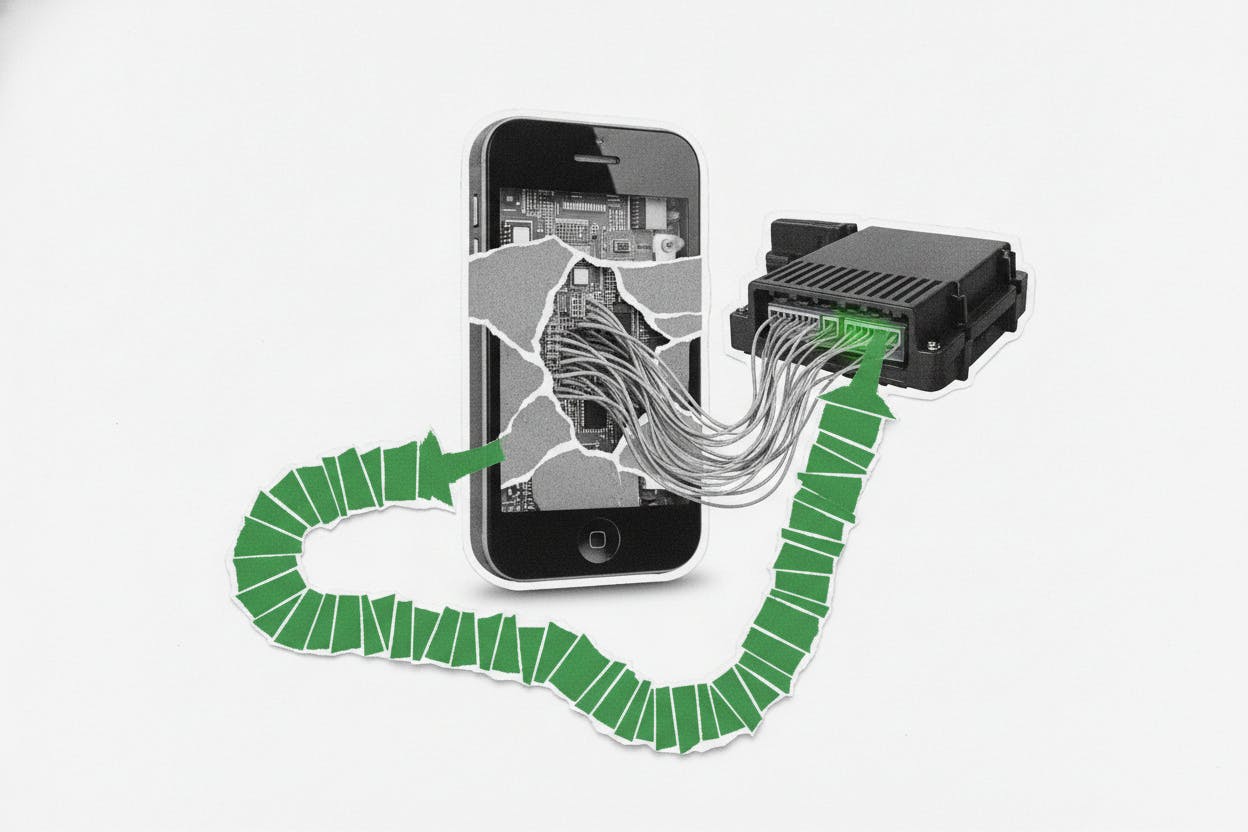
QNX is a secure, real-time operating system designed to run reliably inside devices where timing and safety are critical. Think of it as the brain inside a car's infotainment system, an industrial robot's controller, or a medical device. Unlike a general-purpose operating system like Windows or Android, QNX is built to handle tasks that cannot tolerate delays or crashes. That makes it a natural fit for the automotive industry, where software is increasingly controlling everything from dashboard displays to advanced driver-assistance features.
BlackBerry acquired QNX in 2010, and over the past decade the company has steadily shifted its focus from the dying smartphone business to licensing this software to automakers and other industrial customers. The strategy is simple: get QNX designed into a vehicle platform or a piece of equipment, and then collect royalties on every unit shipped, often for years after the initial design win.
The numbers behind the forecast
In the quarter ending May 31, QNX revenue rose to $72.3 million, a nearly 26% increase from the same period last year. More importantly, the company said its royalty backlog — the expected future revenue from products already designed with QNX — is now close to $1 billion. That backlog is not cash in the bank; it represents the potential royalties BlackBerry expects to earn as customers manufacture and ship vehicles and other devices that incorporate QNX.
On the strength of that pipeline, BlackBerry lifted its full-year 2027 revenue forecast to a range of $594 million to $621 million, up from its previous guidance. The company also raised its QNX-specific revenue outlook to between $295 million and $312 million for the same period.
What the royalty backlog means for investors
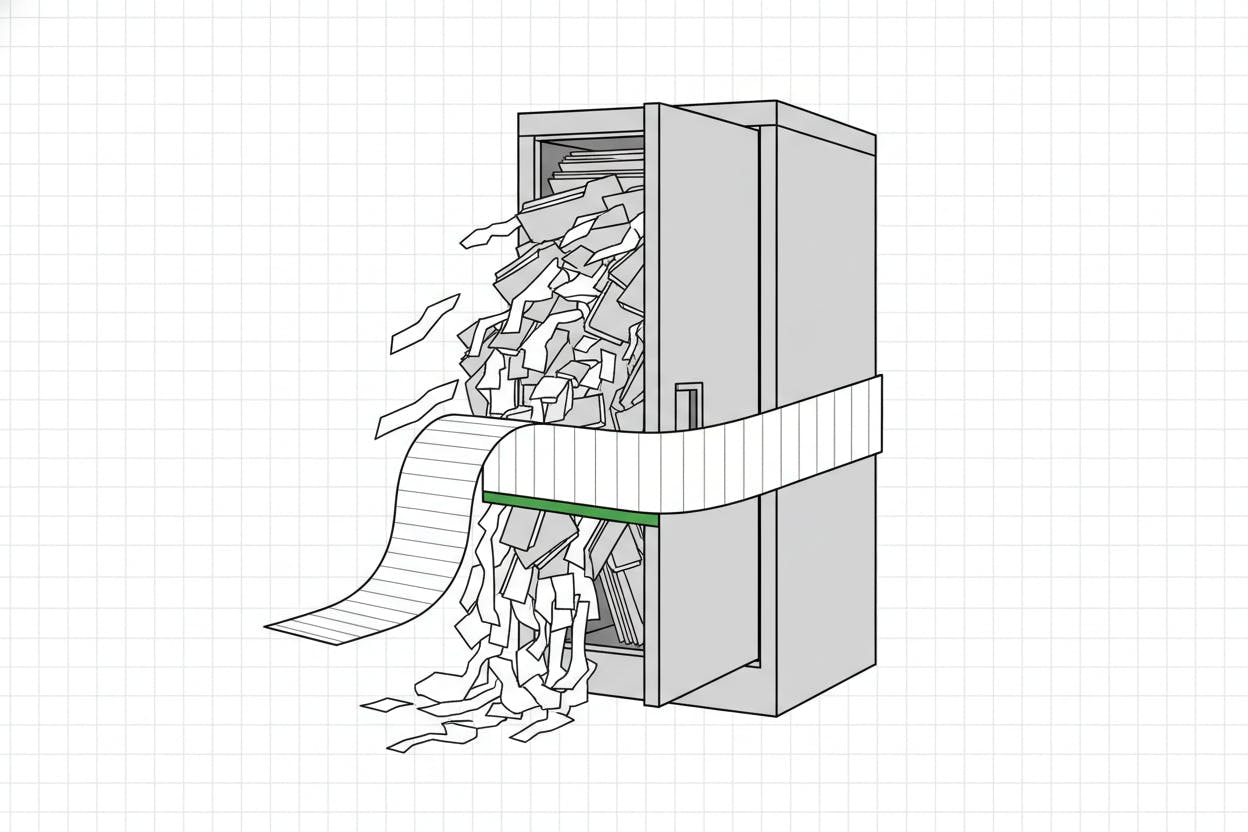
For everyday investors, the concept of a royalty backlog can be confusing. It is not like a sales order that has been paid. Instead, it is more like a queue of expected payments that will only materialize when customers actually build and sell the products that use QNX. If an automaker designs QNX into a new car model, BlackBerry gets a royalty for every car sold with that software. But the revenue only shows up when the car rolls off the assembly line and reaches a customer.
That means the backlog is a leading indicator of demand, but it is not a guarantee of future revenue. If automakers delay production launches or sell fewer vehicles than expected, the backlog can remain large even as quarterly revenue fluctuates. The 26% revenue jump in the latest quarter suggests that conversion is happening, but investors will want to watch whether the pace of that conversion accelerates or stalls.
This dynamic is similar to what investors see in other companies that rely on design-win models, such as chipmakers or software firms that license their technology to hardware manufacturers. The key metric to track is not just the backlog size, but how quickly it turns into recognized revenue.
Broader context: BlackBerry's transformation
BlackBerry's shift from smartphones to software has been a multi-year process. The company sold most of its consumer phone patents and now generates the bulk of its revenue from QNX and other software solutions, including cybersecurity and Internet of Things (IoT) platforms. The QNX business is the most visible part of that transformation, and the latest results suggest it is gaining momentum.
The automotive industry is a particularly promising market for QNX. As cars become more software-defined, automakers need reliable operating systems that can handle everything from over-the-air updates to real-time safety functions. QNX competes with other real-time operating systems, but its long track record in safety-critical applications gives it an edge. The company's backlog nearing $1 billion indicates that many automakers have already committed to using QNX in future models.
That said, the broader economic environment matters. If consumer demand for new vehicles softens, automakers may cut production, which would directly affect BlackBerry's royalty revenue. Similarly, supply chain disruptions or delays in new model launches could push expected revenue further into the future.
What to watch next
Investors should keep an eye on two things: the conversion rate of the royalty backlog into reported revenue, and the pace of new design wins. BlackBerry's raised 2027 targets are a vote of confidence, but they depend on customers executing their production plans. If automakers ramp up production of software-rich vehicles on schedule, BlackBerry's revenue could become more predictable and steady. If launches slip or volumes disappoint, the backlog may stay elevated while quarterly results swing.
For context, other companies that have made similar pivots — such as Merck KGaA's acquisition of Bio-Techne — also rely on long-term design cycles and royalty streams. The key difference is that BlackBerry's backlog is tied to physical products, not just software subscriptions, which adds both stability and risk.
In the meantime, BlackBerry's latest numbers offer a clear signal: the QNX pivot is working, but the real test will be whether the company can turn that nearly $1 billion backlog into actual cash over the next few years.