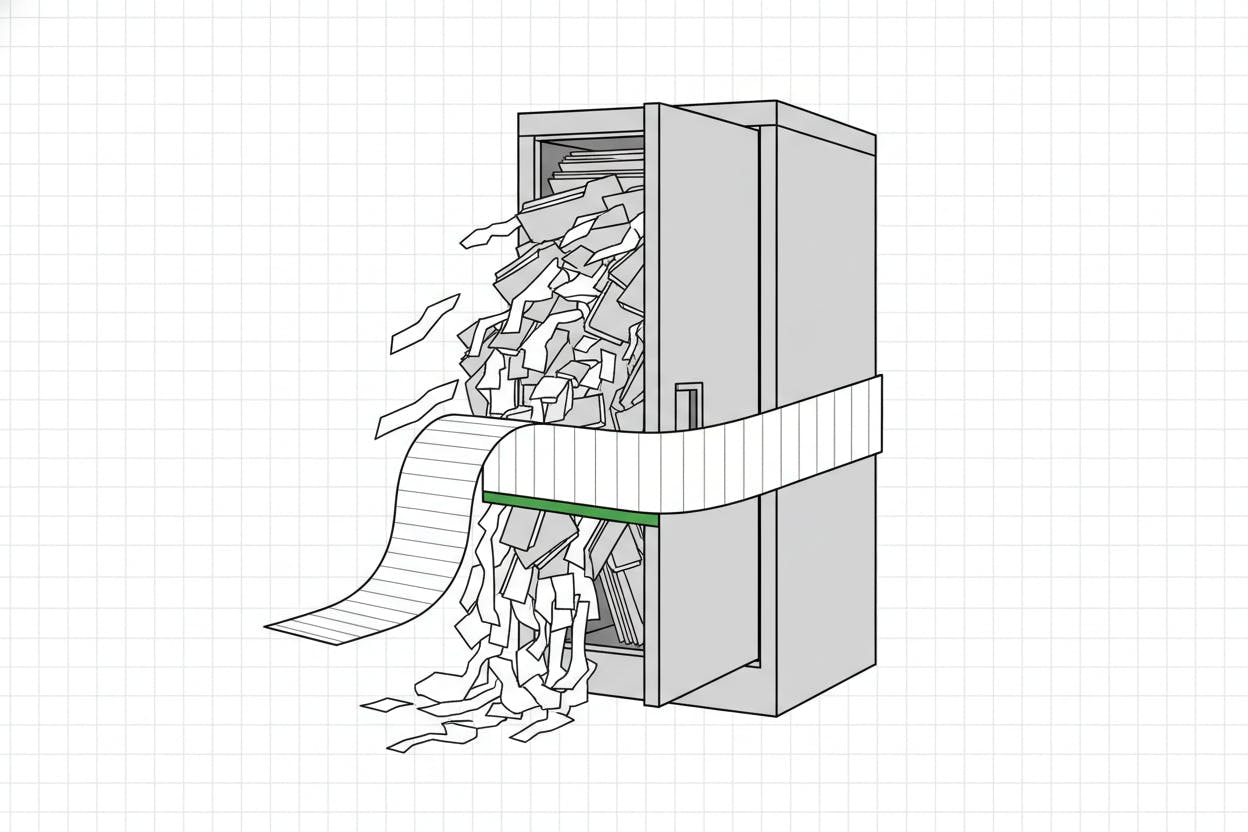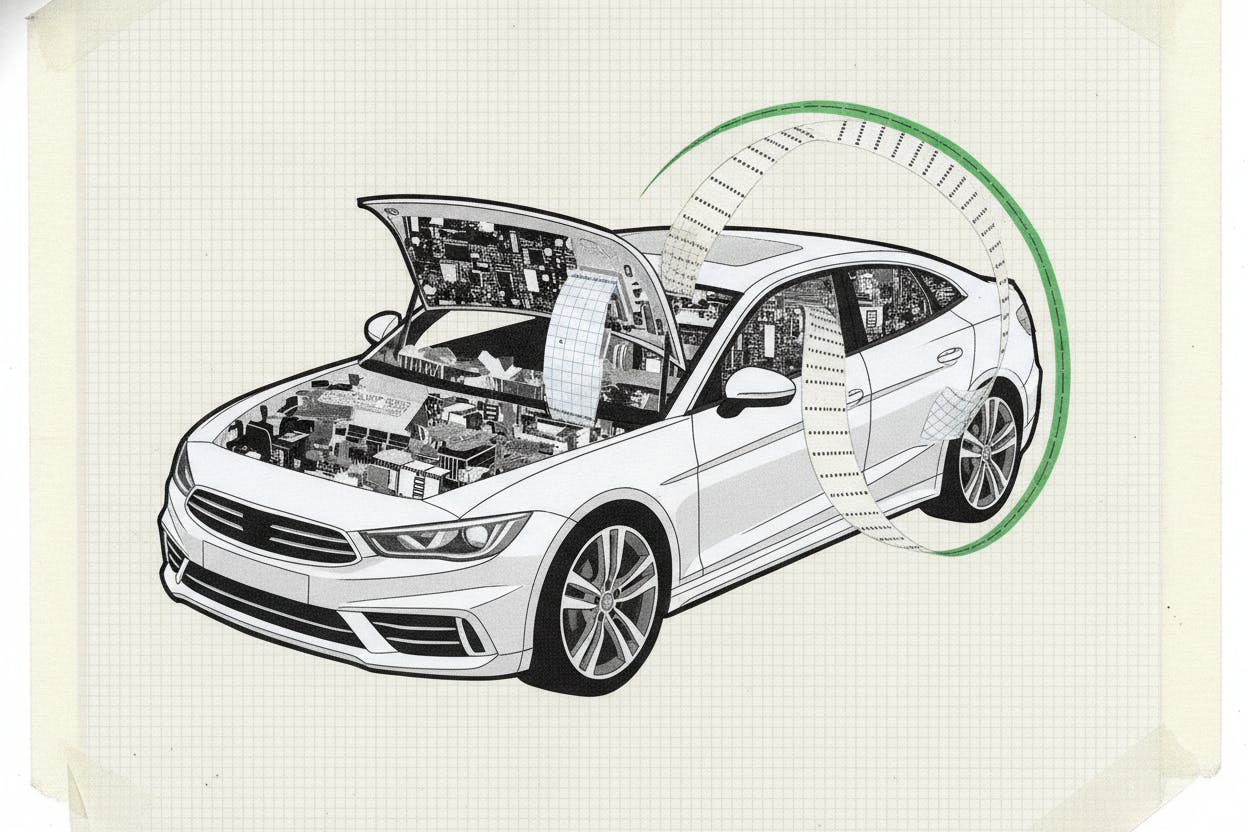
BlackBerry has raised its full-year 2027 revenue outlook after a strong quarter from its QNX software division, signaling that the company's transformation from a smartphone maker to an automotive software provider is gaining traction. The company now expects revenue between $594 million and $621 million for the fiscal year ending February 2027, up from its previous forecast.
QNX Drives Growth
QNX, the embedded operating system that powers everything from car infotainment systems to industrial controllers, generated $72.3 million in revenue for the quarter ending May 31st, a nearly 26% increase from the same period last year. The division's backlog has swelled to almost $1 billion, representing future royalty payments that will be recognized as automakers and other manufacturers ship products containing QNX software.
This backlog is a key metric for investors because QNX typically earns revenue through royalties tied to device shipments, rather than through upfront license fees. Once QNX is designed into a vehicle platform, it tends to remain there for years, providing a recurring revenue stream that improves visibility into future earnings. However, the timing of revenue recognition depends on automakers' production schedules and unit volumes, which can introduce variability.
BlackBerry also raised its annual QNX revenue outlook to between $295 million and $312 million, reflecting confidence in the growing installed base of vehicles and devices using the software.
Secure Communications Unit Also Shines
Beyond QNX, BlackBerry's secure communications business, which provides encrypted messaging and cybersecurity solutions for governments and enterprises, grew 24% to $73.6 million in the quarter. This unit is heavily tied to government demand, particularly from defense and intelligence agencies, and has benefited from rising global cybersecurity spending.
The combined strength of both divisions underscores BlackBerry's successful pivot from its legacy smartphone business to a software-focused company serving the automotive and government sectors.
What It Means for Investors
For everyday investors, BlackBerry's updated forecast offers a clearer picture of its growth trajectory. The QNX backlog, now approaching $1 billion, provides a multi-year runway of expected royalty income, reducing some of the uncertainty around future revenue. However, the timing of that revenue depends on automakers' production schedules, which can be affected by supply chain issues, economic cycles, or shifts in consumer demand.
Investors should also note that BlackBerry's revenue is increasingly tied to the pace of vehicle rollouts rather than traditional software deal cycles. This means the company's performance will be influenced by the health of the global auto industry, which has faced headwinds from semiconductor shortages and changing consumer preferences toward electric vehicles.
BlackBerry's secure communications unit, meanwhile, offers a more predictable revenue stream tied to government contracts, which tend to be less cyclical but can be subject to budget cycles and geopolitical shifts.
For context, BlackBerry's transformation mirrors broader trends in the tech industry, where companies are pivoting from hardware to software and services. Similar moves have been seen in other sectors, such as FedEx Freight's spin-off and Merck KGaA's acquisition of Bio-Techne, both of which aim to focus on higher-margin, recurring revenue streams.
Looking Ahead
BlackBerry's raised forecast suggests management sees sustained demand for QNX as automakers continue to develop software-defined vehicles, where more features are controlled by code rather than traditional mechanical components. The company's ability to maintain its backlog and convert it into revenue will be a key focus for investors in the coming quarters.
As always, investors should consider the broader market context. Recent economic data, such as U.S. inflation meeting forecasts and GDP growth revisions, can influence consumer spending and auto sales, which in turn affect BlackBerry's royalty income. Similarly, rising oil prices could impact production costs for automakers, potentially slowing vehicle output.
BlackBerry's QNX comeback is a story of steady execution in a niche but growing market. For investors, the key takeaway is that the company's future is now tied to the wheels of the auto industry, not the phones of the past.