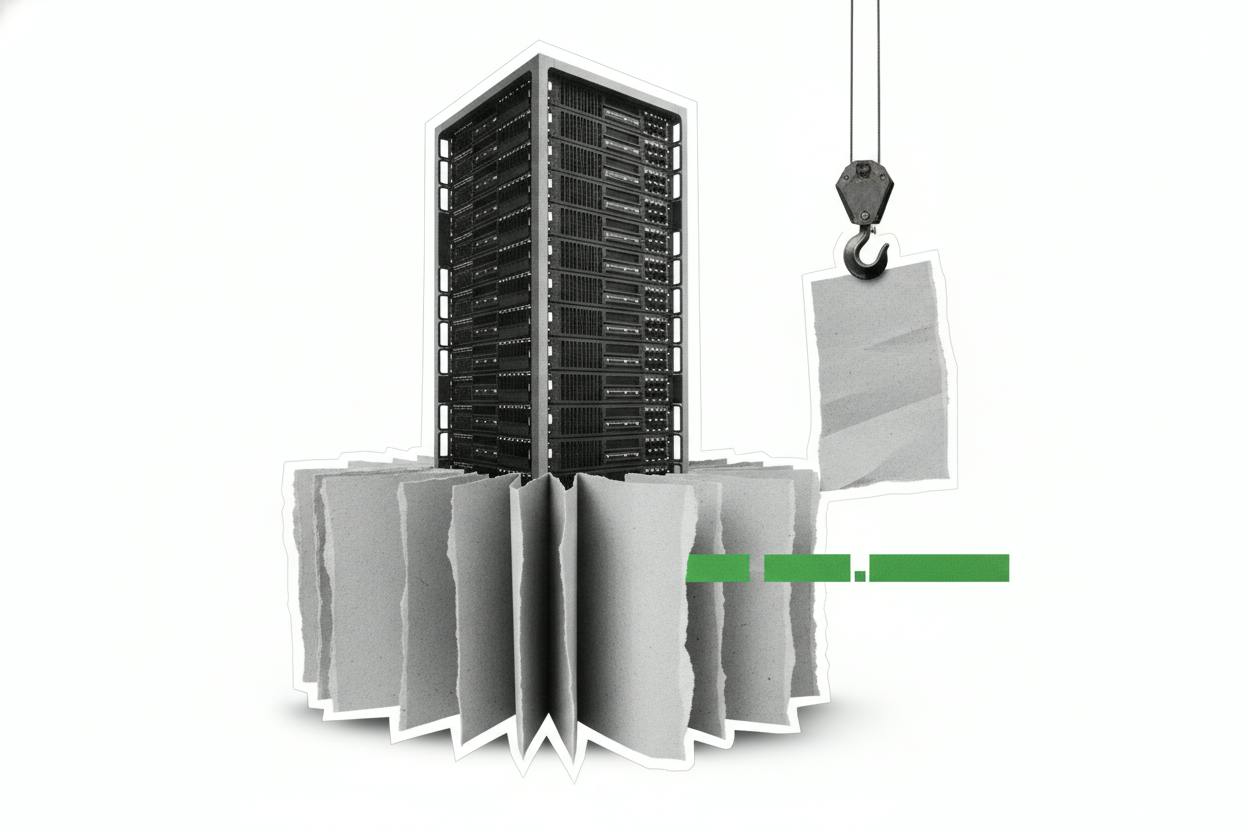
BlackRock and IFM Investors are weighing a significant change to their bid for Stack Infrastructure's Asia-Pacific data center portfolio: putting less cash on the table at closing and tying more of the purchase price to how the projects actually perform. According to a Bloomberg report on Wednesday, the consortium has been in talks with Stack's owner, Blue Owl Capital, for nearly two months, and the revised structure is now on the table.
The portfolio spans data centers in Tokyo, Osaka, Melbourne, Sydney, and Malaysia, and has been valued at between $20 billion and $25 billion. That makes it one of the largest data center transactions in the region, and any change in deal terms could have ripple effects across the industry.
What's changing in the deal structure
Under the current proposal, the buyers would pay most of the price at closing. The alternative being discussed is a milestone-based payment structure: instead of a large day-one equity check, a portion of the price would be paid later, as new facilities are built and leased to tenants. In plain English, that turns part of the purchase price into "it depends" money.
This approach shifts more construction and lease-up risk onto the seller, Blue Owl, while protecting the buyers' expected returns by not paying for performance that hasn't materialized yet. For a portfolio of this size, even small changes in payment timing can move a lot of risk and value between the two sides.
The move is also a signal that even in AI-linked infrastructure, easy financing and seller-friendly terms aren't guaranteed when markets get choppier. Data centers have been a hot asset class, driven by demand for cloud computing and artificial intelligence, but buyers are becoming more cautious about paying full price upfront for projects that may take years to generate revenue.
Why this matters for the data center market
If the Stack deal is structured around milestones, it could change the benchmark for Asia-Pacific data center sales. The headline valuation of $20-25 billion has been a key reference point for investors and analysts tracking the sector. But if the final terms involve a smaller upfront payment and deferred, performance-based payments, that headline number becomes less meaningful as a comparable for future deals.
Future buyers could point to Stack as precedent for paying less at closing and reserving part of the price until projects hit build-out and occupancy targets. That effectively "prices" execution risk explicitly, which can pull down day-one cash proceeds for sellers and make valuations across listed data center landlords, private equity portfolios, and infrastructure funds harder to compare.
In other words, the sector can still grow fast, but deal terms may start carrying as much information as the sticker price. This is particularly relevant given the broader backdrop of tighter lending standards for data center projects and ongoing regulatory discussions around AI chip licensing in key markets like Malaysia.
What it means for investors
For everyday investors, this story is less about the specific deal and more about what it signals for the data center sector as a whole. Data centers have been a favorite theme in tech and infrastructure investing, with companies like Semtech and ABB benefiting from the buildout. But this deal suggests that even the most sought-after assets are facing more scrutiny on price and risk.
If milestone-based payments become more common, it could affect the financial models of data center owners and developers. Sellers may receive less cash upfront, which could impact their ability to fund new projects or return capital to shareholders. Buyers, on the other hand, may be able to reduce their risk exposure, which could make them more willing to bid on large portfolios.
For investors in listed data center companies or infrastructure funds, the key takeaway is that valuations may become less straightforward. The sticker price of a deal may no longer reflect the true cash flow profile, and investors will need to look deeper at the terms to understand the real economics.
The deal is still in flux, and it's possible that the parties could agree on a different structure or that the talks could fall through. But the fact that a consortium of this size is considering milestone-based payments is a notable development in a sector that has been characterized by aggressive bidding and high valuations.
As the market digests this news, investors will be watching to see whether other data center deals follow suit. If they do, the era of easy, seller-friendly terms in AI infrastructure may be coming to an end.