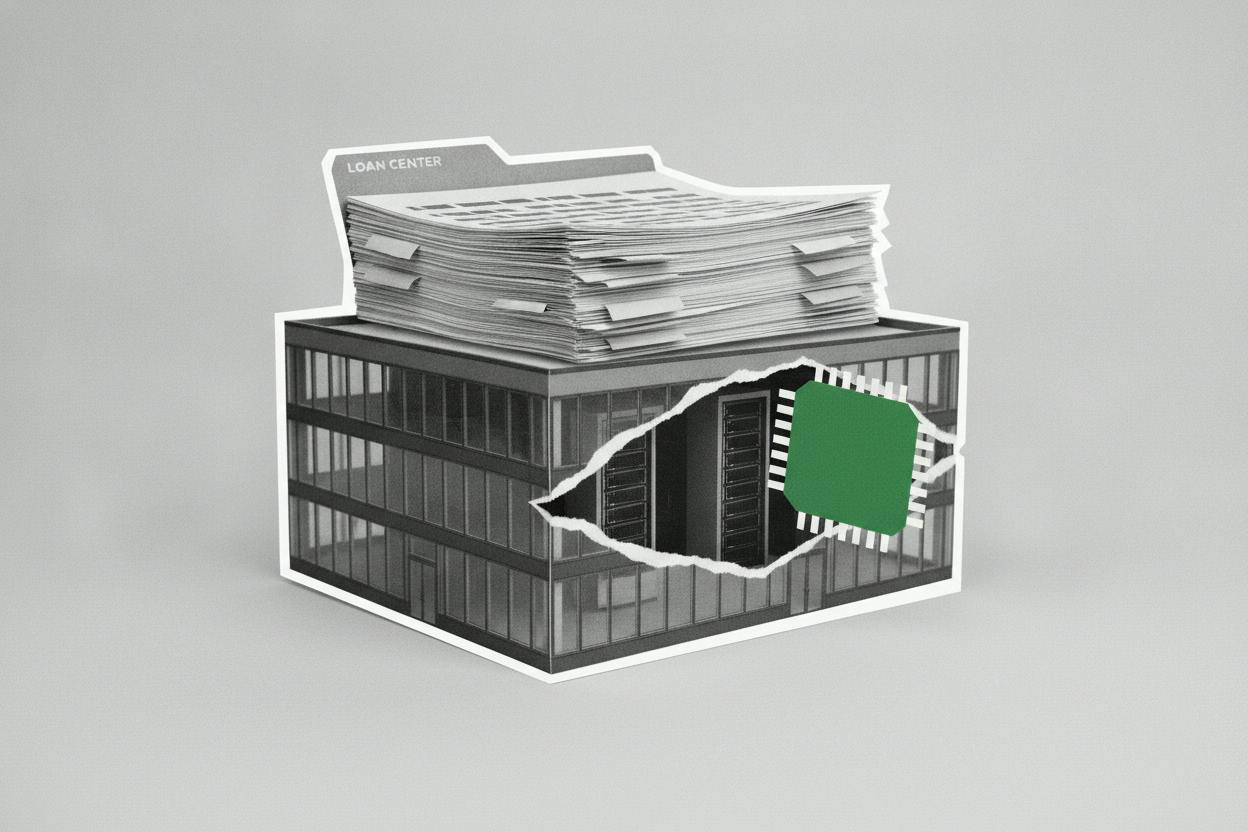
Malaysian lender Maybank is taking a closer look at its data center loan book, asking borrowers for additional details after the United States tightened export controls on advanced semiconductors. The move, reported by Bloomberg News, signals that banks are increasingly treating chip-policy risk as a credit risk, with potential implications for how quickly projects get funded and built.
Why the extra scrutiny?
Data centers are essentially giant warehouses full of servers, and the hardware inside them—especially advanced processors—is what makes them valuable. Lenders care about this because loan contracts often assume that a project can source specific equipment on a set timeline. If a data center can't get the chips it needs, construction could stall, and the project might miss milestones that trigger loan conditions.
Maybank CEO Michael Oh-Lau said the bank is requesting more detail so it can confirm each project still meets the "conditions" required before money is released. In plain terms, the bank wants to know whether a project can still get compliant components under the new US rules, which may limit which advanced semiconductors can be used or shipped.
This is a classic case of policy risk turning into credit risk. If a developer can't prove it can source the right chips, it may miss construction deadlines and breach its loan terms. That's why Maybank is asking for more information before releasing funds.
What this means for data center financing
When a lender asks for more disclosure midstream, it usually feeds straight into underwriting: what the bank will fund, when it will release cash, and what it will charge. Tighter US chip controls increase uncertainty over whether a developer can source compliant processors and hit agreed build deadlines.
That tends to show up in loan documentation as tougher "conditions precedent"—more boxes to tick before drawing down funds—stricter covenants, which are ongoing promises to keep the project on track, and more conservative build schedules. The practical effect is a higher all-in cost of borrowing and slower disbursement, even if headline capital spending plans stay the same.
For Malaysian data center developers, that means longer financing timelines and more deal repricing or re-papering. Which projects actually get built on schedule could depend on how quickly they can adapt to the new chip rules.
Oh-Lau still expects investment activity to hold up through 2027, suggesting developers are likely to redesign supply chains and project plans rather than shelve builds entirely. That's a positive sign, but it doesn't mean the path will be smooth.
What it means for investors
For everyday investors, this is a reminder that the data center boom—which has been a major driver of tech and infrastructure spending—is not immune to geopolitical risk. US export controls on chips are designed to limit China's access to advanced technology, but they also create ripple effects for companies building data centers anywhere in the world.
If you own shares in banks like Maybank, or in companies that build or supply data centers, this could mean slower revenue growth or higher costs. For example, Semtech's data center optics growth has been a bright spot, but tighter chip rules could affect the broader supply chain. Similarly, ABB's recent deal in data center cooling shows how much money is flowing into the sector, but financing hurdles could slow some projects.
On the other hand, the fact that Maybank expects investment to hold up suggests that developers are finding ways to work around the restrictions. That could mean more demand for standardized construction methods or efficiency-focused software to make the most of available hardware.
For now, the key takeaway is that data center financing is getting more complex. Banks are being more careful, which could slow the pace of new projects and raise costs. But the underlying demand for data centers—driven by AI and cloud computing—remains strong. Investors should watch how developers and lenders adapt to the new chip rules, as that will determine which projects move forward and which get delayed.