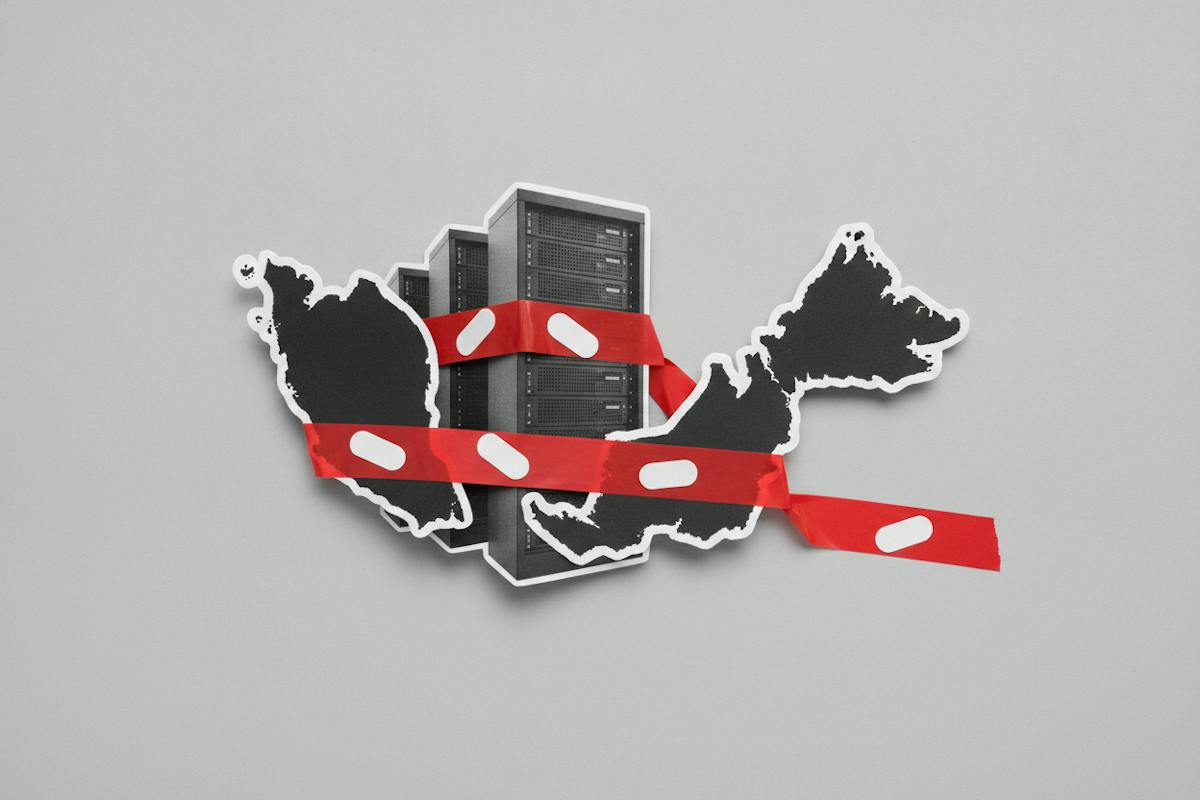
The United States has tightened controls on advanced artificial intelligence chips, and Malaysia is now in talks with Washington over how the new licensing rules will apply to data centers in the country and nearby regional hubs. The move follows concerns that some Nvidia processors shipped into Southeast Asia could be diverted to China, which faces strict US export restrictions.
Under the new requirements, data centers in Malaysia and neighboring countries must obtain licenses before they can receive advanced AI chips, including those made by Nvidia, the dominant supplier of high-performance processors used to train and run AI models. Kuala Lumpur has said it will tighten its checks and comply with the rules, even as it seeks to clarify the details through discussions with US officials.
Why the US is cracking down
The US has been steadily expanding its controls on advanced semiconductor exports, arguing that cutting-edge chips could be used by China to boost its military and surveillance capabilities. Over the past couple of years, Washington has restricted sales of the most powerful AI chips to China and has also imposed licensing requirements on exports to certain countries where it fears transshipment—goods being legally imported and then illegally re-exported.
Southeast Asia has become a key hub for data center construction, driven by a surge in demand for cloud computing and AI services. Malaysia, in particular, has attracted billions of dollars in investment from global tech companies building data centers in the region. But that rapid growth has also drawn scrutiny from US regulators, who worry that chips entering the region could end up in the wrong hands.
The new licensing regime means that any data center operator in Malaysia or nearby hubs that wants to import advanced Nvidia chips must first get approval from the US government. That adds a layer of bureaucracy and potential delay to projects that were previously able to source chips more freely.
What Malaysia is doing
Malaysian officials have responded by saying they will cooperate with the US rules and strengthen their own export controls. The government has indicated it will introduce stricter checks on the movement of advanced chips and work with US authorities to ensure compliance. At the same time, Kuala Lumpur is in active discussions with Washington to understand the exact scope of the licensing requirements and to make sure its data center industry can continue to operate smoothly.
The talks are part of a broader effort by Malaysia to position itself as a regional technology hub while navigating the geopolitical tensions between the US and China. The country has benefited from companies diversifying their supply chains away from China, but it also has close economic ties with Beijing, making the balancing act delicate.
For investors, the immediate impact is on companies building or operating data centers in Malaysia. Those that rely on Nvidia's top-tier chips may face delays or added compliance costs as they work through the licensing process. Some may need to adjust their procurement strategies or seek alternative chip suppliers, though Nvidia remains the industry standard for AI workloads.
What it means for investors
The new rules add another layer of uncertainty to an already complex global market for AI chips. For everyday investors, the key takeaway is that regulatory risk is now a factor to consider when looking at companies with exposure to data centers in Southeast Asia. This includes not only the data center operators themselves but also the broader supply chain—chip distributors, server makers, and even the banks that finance these projects.
In fact, some financial institutions are already responding. Maybank has tightened its loan checks for data center projects in light of the US export rules, a sign that lenders are factoring in the new regulatory environment. That could make it harder or more expensive for smaller players to secure financing for new facilities.
The news also comes as Malaysia's stock market has been volatile, with the benchmark KLCI index recently snapping a five-day losing streak. The chip licensing issue is one of several factors weighing on investor sentiment in the region, alongside broader concerns about global trade and technology policy.
For those invested in tech stocks or AI-related funds, the licensing rules are a reminder that government policy can shift quickly and have a direct impact on company earnings. While the long-term demand for AI chips remains strong, the path to getting those chips to market is becoming more complicated.
Investors should also watch how the talks between Malaysia and the US evolve. If the two sides reach a clear agreement, it could reduce uncertainty and help data center projects move forward. If not, delays could persist, affecting the timeline for new AI infrastructure in the region.
In the meantime, the broader trend of US export controls on advanced technology is unlikely to reverse. Companies that can navigate these rules efficiently—or that have diversified supply chains—may be better positioned than those that rely heavily on a single source of chips.
For the average investor, the message is to stay informed about regulatory developments in the tech sector, as they can have ripple effects across markets. The AI boom is real, but it is increasingly shaped by geopolitics as much as by innovation.