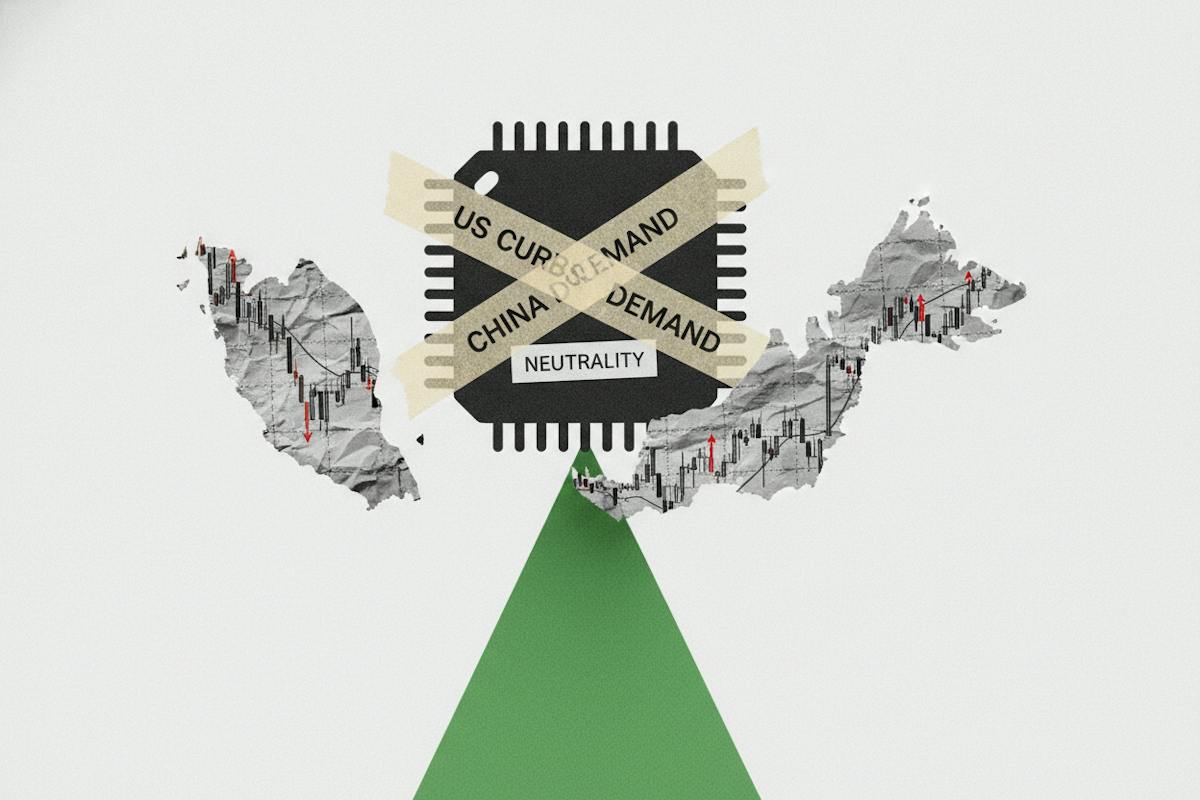
Malaysia's benchmark stock index, the FBM KLCI, rebounded on Tuesday, closing up 0.8% and ending a five-session losing streak. The recovery came as investors snapped up shares that had fallen in recent days, and as Prime Minister Anwar Ibrahim sought to ease concerns about the impact of US restrictions on advanced AI chip exports.
The index added 12.63 points to close at 1,561.68, helped by a steadier tone across regional markets. The bounce shows how quickly sentiment can shift in emerging markets: after a stretch of declines, some investors see lower prices as an opportunity to buy.
Why the rebound happened
The KLCI had fallen for five straight sessions before Tuesday, as worries about global trade tensions and tech export controls weighed on investor confidence. But with the index at lower levels, bargain hunters—investors who look for stocks that have dropped and may be undervalued—stepped in to buy.
At the same time, Prime Minister Anwar Ibrahim tried to calm nerves about US curbs on exports of advanced AI chips. Those restrictions, which target certain technologies and countries, had raised concerns about Malaysia's role in the global tech supply chain. The prime minister's comments suggested the impact might be less severe than feared, helping to restore some confidence.
Malaysia is a key player in the semiconductor and electronics industry, with many global tech firms operating there. So any news about AI chip export rules can have an outsized effect on its stock market. Investors watch such developments closely because they can affect corporate earnings and the broader economy.
What this means for investors
For everyday investors, the KLCI's rebound is a reminder that markets often move in cycles. After a period of selling, prices can become more attractive, and a single piece of positive news—like a government official's reassurance—can trigger a bounce.
However, it's important to keep perspective. One day's gain does not necessarily signal a lasting turnaround. The index is still below where it was before the losing streak, and broader risks remain, including global trade tensions and the pace of US interest rate decisions.
Investors should also note that the KLCI is a benchmark of Malaysia's largest listed companies, many of which are banks, utilities, and plantations. Its performance can be influenced by factors like commodity prices, the ringgit's strength, and domestic economic data, not just tech news.
For those with exposure to Malaysian stocks, the key is to focus on long-term fundamentals rather than short-term swings. Diversification across regions and sectors can help manage the volatility that comes with emerging-market investing.
Regional context
The KLCI's move came on a day when many Asian markets were trying to stabilize after recent turbulence. In other parts of the region, tech stocks have been particularly sensitive to news about AI and chip exports. For example, Nvidia's CEO return helped lift Asian tech stocks ahead of US inflation data, showing how interconnected these markets are.
Similarly, Asia stocks surged as Nvidia's rebound reignited the AI rally, underscoring the influence of major US tech companies on regional sentiment. Malaysia, with its semiconductor industry, is not immune to these global trends.
Investors watching the KLCI will likely keep an eye on US policy moves and any further developments on AI chip export rules. They'll also watch for corporate earnings reports and economic data from Malaysia, which can provide clues about the health of the domestic economy.
The bottom line
Tuesday's gain is a positive sign for Malaysian stocks, but it's too early to call it a turning point. The market's ability to hold onto gains in the coming sessions will depend on whether the factors that drove the selloff—such as trade tensions and tech export worries—continue to ease.
For now, the KLCI's rebound offers a lesson in market psychology: fear can drive prices down, but confidence can bring them back up. As always, investors should make decisions based on their own financial goals and risk tolerance, not on short-term market moves.