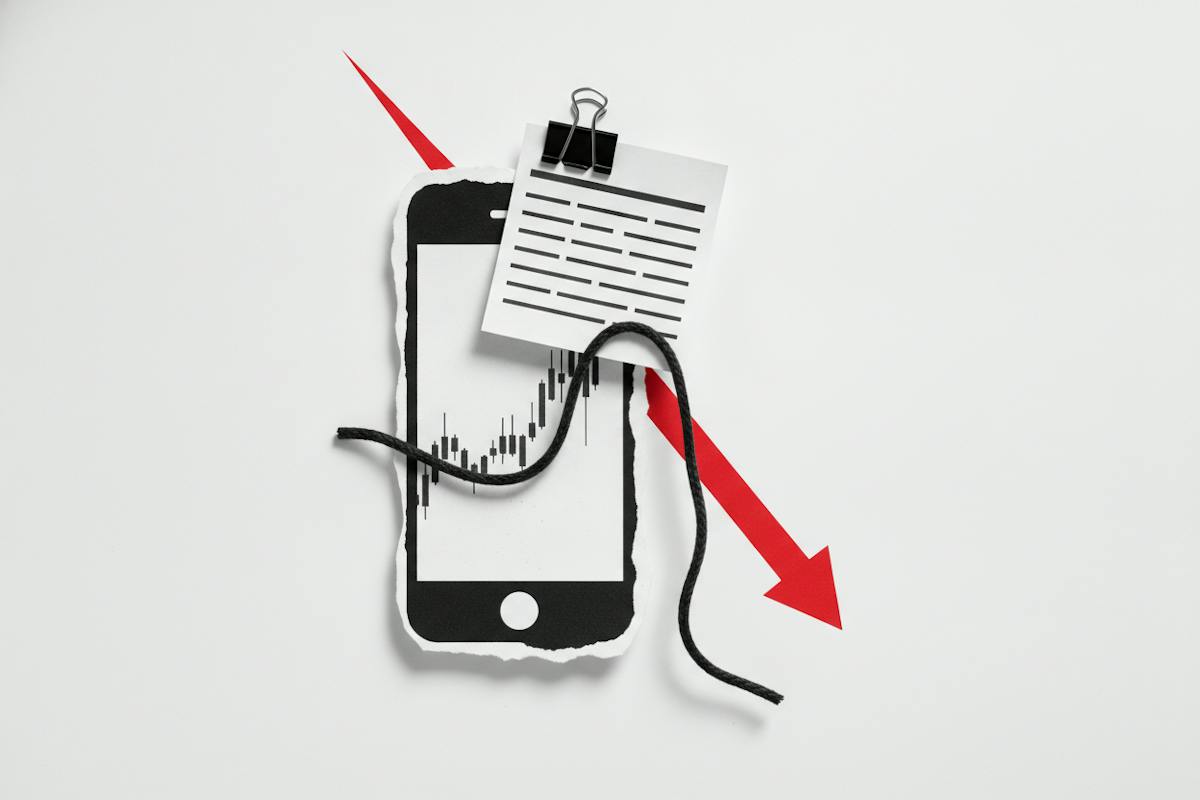
Wonder, the food startup led by entrepreneur Marc Lore, has stepped back from efforts to sell its Grubhub delivery business, according to a report from The Information. The pause comes even as internal documents reportedly project Grubhub will lose roughly $100 million in 2026.
The news marks a rapid shift in the company's strategy. Just days ago, The Wall Street Journal reported that Wonder had been sounding out potential buyers and had contacted retail giants Walmart, Target, and Kroger. Now, The Information says Wonder is no longer actively pursuing a sale, though it could still move if the right offer comes along.
What's happening with Wonder and Grubhub?
Wonder, which operates a network of food-delivery kitchens and also owns the Grubhub app, has been under financial pressure. The company acquired Grubhub in a deal that closed in 2024, combining Wonder's own delivery service with one of the largest food-ordering platforms in the U.S.
But the delivery business has struggled to turn a profit. Grubhub faces intense competition from DoorDash and Uber Eats, which dominate the market. The projected $100 million loss for 2026, if accurate, underscores the challenges of making food delivery profitable.
According to The Information, Wonder had been in early-stage discussions with Amazon and Walmart about a potential sale. Those talks have now been paused, though the door isn't completely shut. The company could resume negotiations if a buyer makes a compelling offer.
Why the sale talks matter
For investors, the back-and-forth over Grubhub's future is a reminder of how volatile the food-delivery sector can be. The industry has seen consolidation and shakeouts in recent years, with companies struggling to balance growth with profitability.
Wonder itself is a privately held startup, so everyday investors don't have direct exposure to its stock. But the company's moves can still ripple through the broader market. A sale of Grubhub to a major player like Amazon or Walmart could have reshaped the competitive landscape, potentially affecting publicly traded rivals like DoorDash and Uber Eats.
With the sale now on hold, those rivals may breathe a little easier, at least for now. But the situation remains fluid. If Wonder decides to sell later, it could still change the dynamics of the delivery market.
What it means for investors
For everyday investors, the key takeaway is that the food-delivery industry remains in flux. Companies are still figuring out how to make money in a business where margins are thin and customer loyalty is hard to lock in.
Investors in publicly traded delivery companies should watch for any signs that Wonder might revive the sale process. A deal with a deep-pocketed buyer could intensify competition, potentially squeezing margins for existing players. Conversely, if Wonder continues to operate Grubhub independently, the competitive picture stays roughly the same.
It's also worth noting that the broader market has been dealing with a mix of pressures, from hawkish Fed talk to shifting oil prices. In such an environment, investors tend to favor companies with clear paths to profitability, which makes Grubhub's projected losses a point of concern.
For now, Wonder's decision to pause the sale suggests that the company is not in a rush to offload Grubhub. That could mean it believes it can turn the business around, or it could simply mean that no buyer has met its asking price. Either way, the story is far from over.
As with any corporate development, the situation could change quickly. Investors should keep an eye on any new reports about Wonder's plans for Grubhub, as well as any moves by Amazon or Walmart to re-enter the delivery space. The food-delivery wars are far from settled.