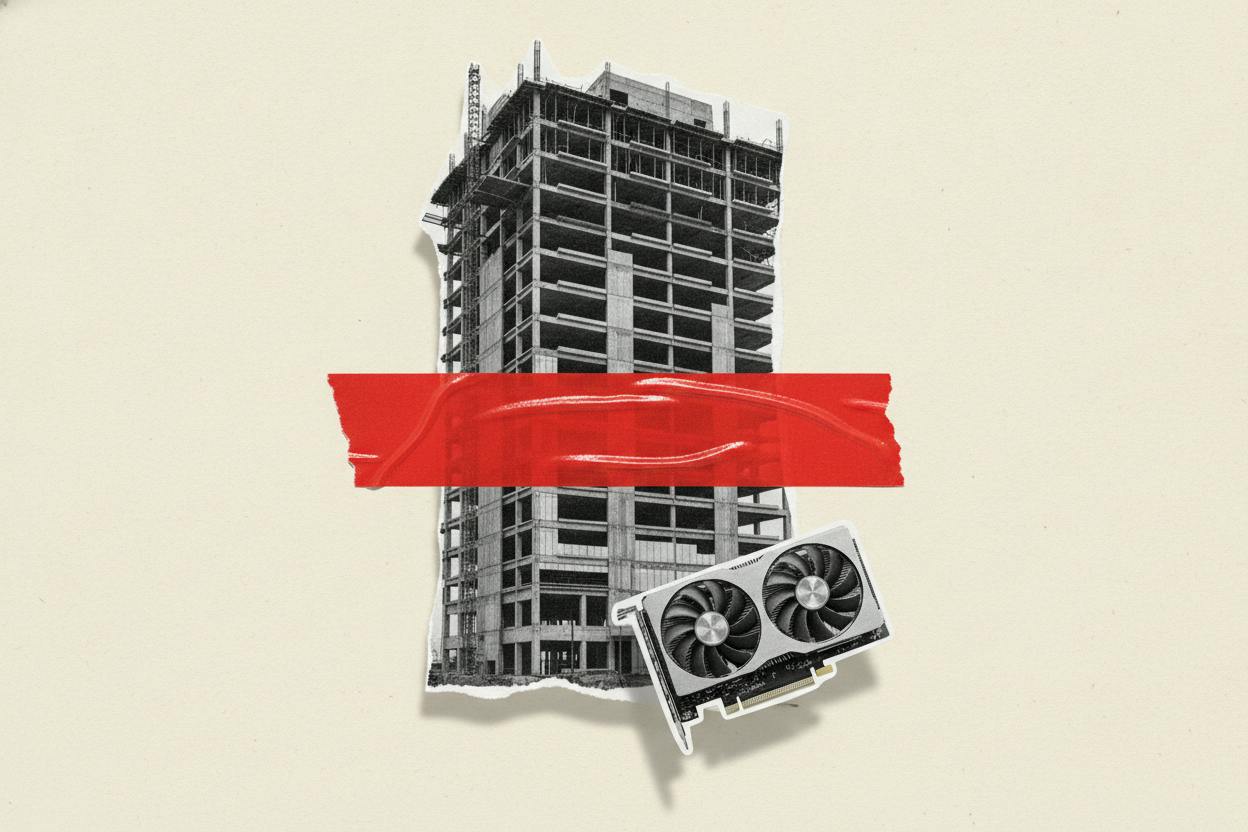
Nvidia's AI-fueled rally hit a speed bump on Tuesday, with shares falling 7.1% and the broader tech sector sliding 2.6%. The pullback wasn't just profit-taking after a big run—it reflected a shift in investor focus toward the political scrutiny surrounding AI and the massive data-center buildout that underpins the technology.
The selloff came as Wall Street digested warnings that the political environment for AI infrastructure is getting more complicated. Macquarie, an Australian investment bank, cautioned that “the political uncertainty around AI and data centers is far from over,” predicting more congressional inquiries and noting that state and local officials may be more willing to pause new data-center projects.
Why data centers matter to Nvidia's bottom line
Data centers are the physical backbone of the AI boom. They house the powerful chips—like Nvidia's GPUs—that train and run AI models, along with the servers, networking gear, and cooling systems that support them. When permits and construction get delayed, the demand for AI computing doesn't disappear, but it takes longer to turn into firm orders for Nvidia's chips and the surrounding hardware.
That timing shift matters because it widens the gap between today's enthusiasm and tomorrow's revenue. If data-center projects are delayed, Nvidia's quarterly forecasts become shakier, and investors may start to question whether the company can keep delivering the blowout results that have driven its stock to record highs.
The concern isn't that AI demand will vanish, but that the revenue schedule slips. For a company like Nvidia, which has become a bellwether for the entire AI trade, even a hint of delay can trigger a revaluation.
What political scrutiny means for AI stocks
Macquarie's warning points to a growing list of political questions around AI: data-center energy consumption, environmental impact, national security concerns, and the concentration of computing power in a few large companies. Congressional inquiries could lead to new regulations or oversight, while local officials facing community pushback over power and water use may be more inclined to slow approvals.
This isn't just a Nvidia problem. The entire AI supply chain—chipmakers, server manufacturers, networking equipment providers, and even cloud companies—relies on a steady pipeline of new data centers. If that pipeline gets clogged, the ripple effects spread across the sector.
For investors, the key takeaway is that the AI trade is no longer just about earnings growth. It's also about navigating political and regulatory risks that can change the timeline for revenue realization.
What it means for investors
The market's reaction on Tuesday reflects a classic repricing of “long-duration” growth stocks. These are companies whose valuations are heavily based on profits expected years from now. When the timing of those profits becomes murkier, investors often apply lower valuation multiples, which can hit high-flying names like Nvidia particularly hard.
This dynamic can spill over into other AI-linked stocks, especially newer listings that trade more on sentiment than on established earnings. As Nvidia's recent surge fades, traders may become more cautious about the whole sector.
Macquarie's data-center pause warning raises the bar for premium AI valuations. If political pushback slows approvals, the near-term risk isn't that AI demand disappears, but that the revenue schedule slips. That kind of uncertainty tends to produce stop-start trading in AI-linked stocks and forces companies to keep delivering “beat-and-raise” quarters to justify rich pricing.
In other words, investors may keep loving the long-term story, while getting stricter about the timeline—and about who captures the spending first. This is a shift from the earlier phase of the AI rally, when any positive news seemed to push stocks higher. Now, political headlines can just as easily push them down.
The broader market context matters too. Tuesday's tech slide came as AI rally cools and Treasury yields slip, putting Fed policy back in focus. Lower yields can support growth stocks, but they didn't cushion the tech selloff, suggesting the political risk was the dominant driver.
For everyday investors, the lesson is to understand that AI stocks are now exposed to a new set of risks beyond just earnings. Political scrutiny, regulatory actions, and local permitting decisions can all affect the pace of AI infrastructure buildout—and that can translate into volatility in your portfolio.
As always, it's important to keep a long-term perspective. The AI revolution is still in its early innings, and the fundamental demand for computing power remains strong. But the path to that future may be bumpier than the straight-line rally of recent months suggested.
Investors should watch for signs of how political scrutiny evolves, whether data-center approvals slow, and how companies like Nvidia respond in their quarterly guidance. The next earnings season will be a key test of whether the AI trade can withstand the political headwinds.