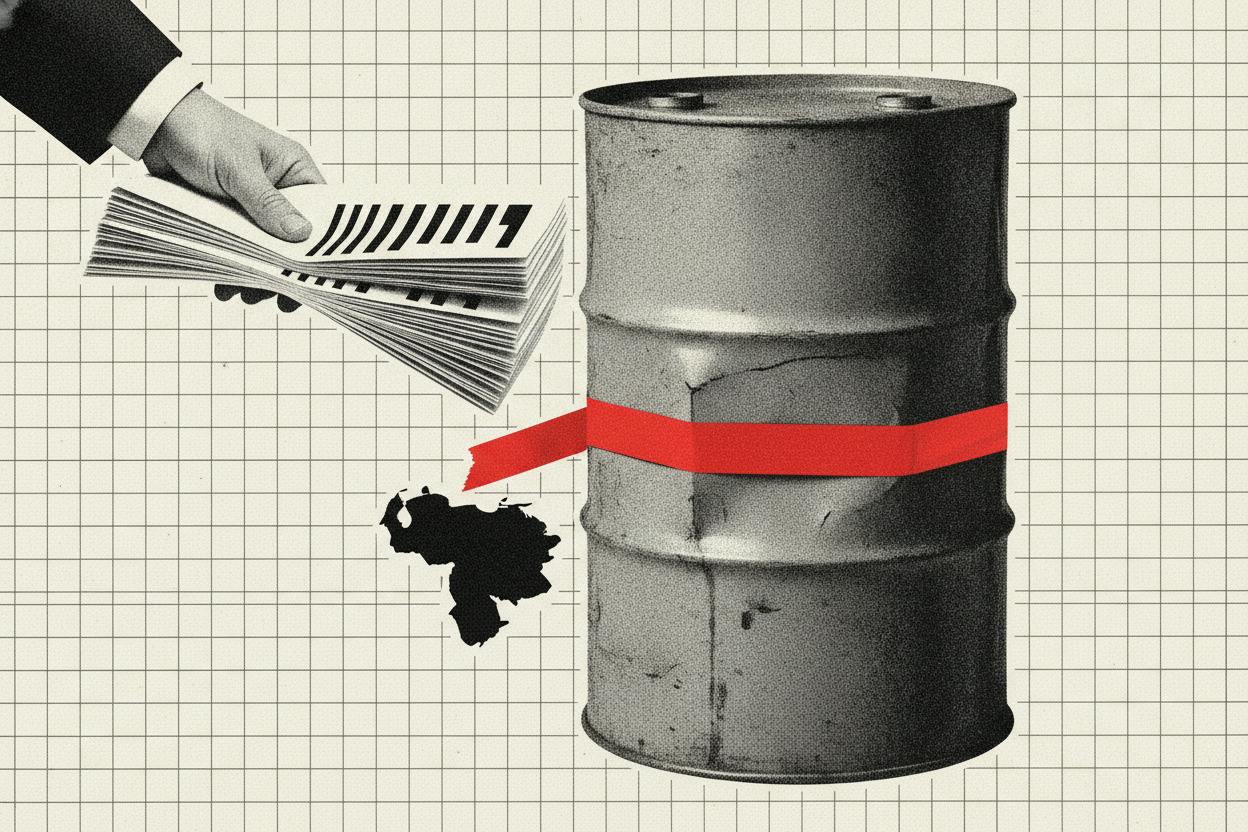
Oil prices rose on Tuesday after reports that Senator Maggie Hassan is seeking records from Vice President JD Vance's office related to a Venezuela oil arrangement involving the trading firm Vitol. The news added a fresh layer of political uncertainty to an already volatile crude market, pushing West Texas Intermediate (WTI) up 2.2% to $81.93 a barrel and Brent crude up 2% to $91.11.
The move underscores how quickly Washington can move oil markets. Sanctions and special licenses can open or shut off supply with little warning, and traders are always watching for signs that policy might shift. According to Reuters, Senator Hassan requested documents on any Vitol links, including alleged communications with Vitol trader John Addison, and set a December 14 deadline for the response.
Why a political probe can move oil prices
Oil traders react fast to political headlines because the stakes are high. If a deal involving Venezuela—a country with significant oil reserves but limited access to global markets due to sanctions—comes under scrutiny, the market starts to price in the possibility that those barrels might not flow as expected.
Even if no barrels have changed hands yet, the mere possibility of a pause, rewrite, or reversal can add a short-term “risk premium” to front-month crude prices. That premium reflects the chance that supply could tighten, and it can make prices swing more sharply on each new headline.
This is not the first time political developments have influenced oil prices. Middle East tensions have kept a risk premium in prices for months, and traders are accustomed to factoring in geopolitical uncertainty. But a probe involving a major trading firm like Vitol adds a different kind of risk: the potential for regulatory or legal action that could disrupt supply chains.
What this means for energy stocks
The move spilled into equities, with the Energy Select Sector SPDR Fund (XLE), an exchange-traded fund that tracks energy stocks, rising 1.2%. Investors marked up companies that tend to benefit when oil is pricier, as higher crude prices can boost revenues for producers and related firms.
For everyday investors, the key takeaway is that oil prices are not just about supply and demand—they are also about expectations. When traders think a deal could run into trouble, they price in the chance that those potential barrels disappear, while replacement supply would take longer to show up. That can make front-month WTI and Brent swing more on incremental updates from Washington, and it can pull broad energy equity benchmarks like XLE along for the ride.
What to watch next
The December 14 deadline is a key date to watch. It creates a steady stream of headlines that can shift expectations before any policy actually changes. If traders think the Venezuela deal could be paused, rewritten, or reversed, they may keep a risk premium in oil prices, which could persist until there is clarity.
Investors should also keep an eye on broader energy market trends. For example, oil and gas prices slipped recently as TotalEnergies and Var Energi struck deals, showing that corporate activity can also move prices. Similarly, the DRC's decision to halt cobalt exports highlights how supply-side actions in other commodities can affect prices, and coffee prices hit a three-year low as Vietnam's harvest accelerated—reminders that commodity markets are often driven by a mix of fundamentals and news.
For now, the oil market is likely to remain sensitive to any updates from Washington. The probe into Vitol's ties to the Venezuela deal is a reminder that political risk can be just as important as barrels in the ground. Investors should stay informed and consider how such headlines might affect their portfolios, especially if they hold energy stocks or funds.