Bank of New Zealand's economics team, BNZ Research, has predicted that the Reserve Bank of New Zealand (RBNZ) will raise its official cash rate by 25 basis points at its July meeting. This comes even as global oil prices decline, which could both cool inflation and boost consumer spending.
What's Driving the Expected Rate Hike?
In a Monday research note, BNZ analysts stated that most economic data the RBNZ has been monitoring aligns closely with its May forecasts. This gives the central bank room to move the cash rate toward what economists call a 'neutral' level—a rate that neither stimulates nor slows the economy. The current cash rate is below neutral, meaning it is still supporting economic activity.
The RBNZ has been signaling a gradual tightening cycle to manage inflation, which has remained above its target range. BNZ believes the July meeting will be the starting point for this shift.
The Oil Price Complication
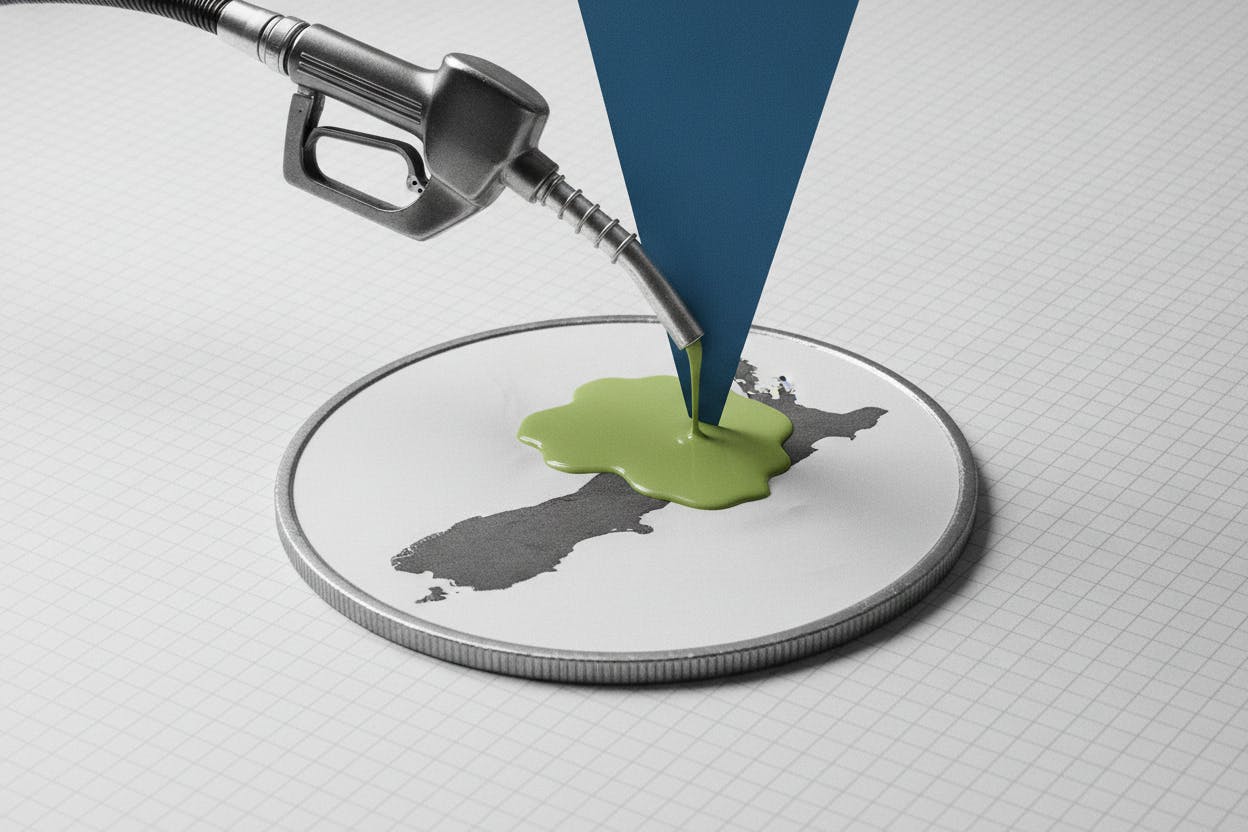
Falling energy prices add a twist to the rate hike outlook. Oil futures suggest Dubai Crude will trade near $68 a barrel, far below the roughly $101 a barrel the RBNZ assumed in its forecasts. Lower oil prices typically reduce transportation and production costs, feeding into cheaper fuel and slower consumer price inflation.
However, BNZ argues that cheaper gasoline acts like a small tax cut, leaving households and businesses with extra cash to spend. If that demand holds up, the central bank may still worry about inflation driven by strong spending rather than supply shocks. In that scenario, the RBNZ could continue tightening even as headline inflation moderates.
This dynamic is similar to what other central banks face. For instance, Morgan Stanley recently noted that falling energy prices could keep the US Federal Reserve on hold all year, as lower fuel costs reduce inflation but also support consumer spending. You can read more about that in our article Morgan Stanley: Falling Energy Prices Could Keep Fed on Hold All Year.
What a Rate Hike Means for Investors
The cash rate is the benchmark for short-term borrowing in New Zealand. When it rises, banks' funding costs tend to increase, and they often pass that on through higher rates on floating loans and new short-dated fixed mortgages. At the same time, they may offer better deals on term deposits, benefiting savers.
For households, a July rate hike could directly impact mortgage repayments, especially for those rolling off fixed-rate terms around mid-year. Floating-rate borrowers would see an immediate increase in their monthly payments. For savers, higher deposit rates could improve returns on cash holdings.
Falling petrol prices can help day-to-day budgets, but they don't automatically mean lower borrowing costs. If cheaper fuel keeps spending strong, the RBNZ can stay focused on demand-driven inflation and still push rates toward neutral. That means mortgage holders should prepare for higher costs, while savers may see better returns on term deposits.
Broader Market Context
The RBNZ's potential move comes amid a global trend of central banks adjusting rates in response to inflation and economic conditions. The US dollar has been strengthening, which can impact commodity prices and trade balances. For more on that, see our article US Dollar Heads for Best Month Since July as Safe-Haven Demand and Fed Shift Boost Rally.
Meanwhile, oil prices have been volatile, with recent declines linked to resumed tanker traffic in the Strait of Hormuz. You can read more in Oil Prices Hit Four-Month Low as Strait of Hormuz Tanker Traffic Resumes.
For New Zealand investors, the key takeaway is that the RBNZ is likely to start raising rates in July, even with falling oil prices. This could affect mortgage rates, deposit returns, and overall economic growth. As always, staying informed about central bank policy is crucial for making sound financial decisions.