Bank of America Global Research has issued a cautious outlook for Kion Group AG ahead of its July 30 interim report, forecasting that the company's warehouse automation business will help offset a decline in its core industrial trucks and services segment. The bank expects orders for the forklift-and-services unit to fall roughly 8% year over year in the second quarter, while also trimming its 2026 EBITDA forecast to 912 million euros.
What Kion Does
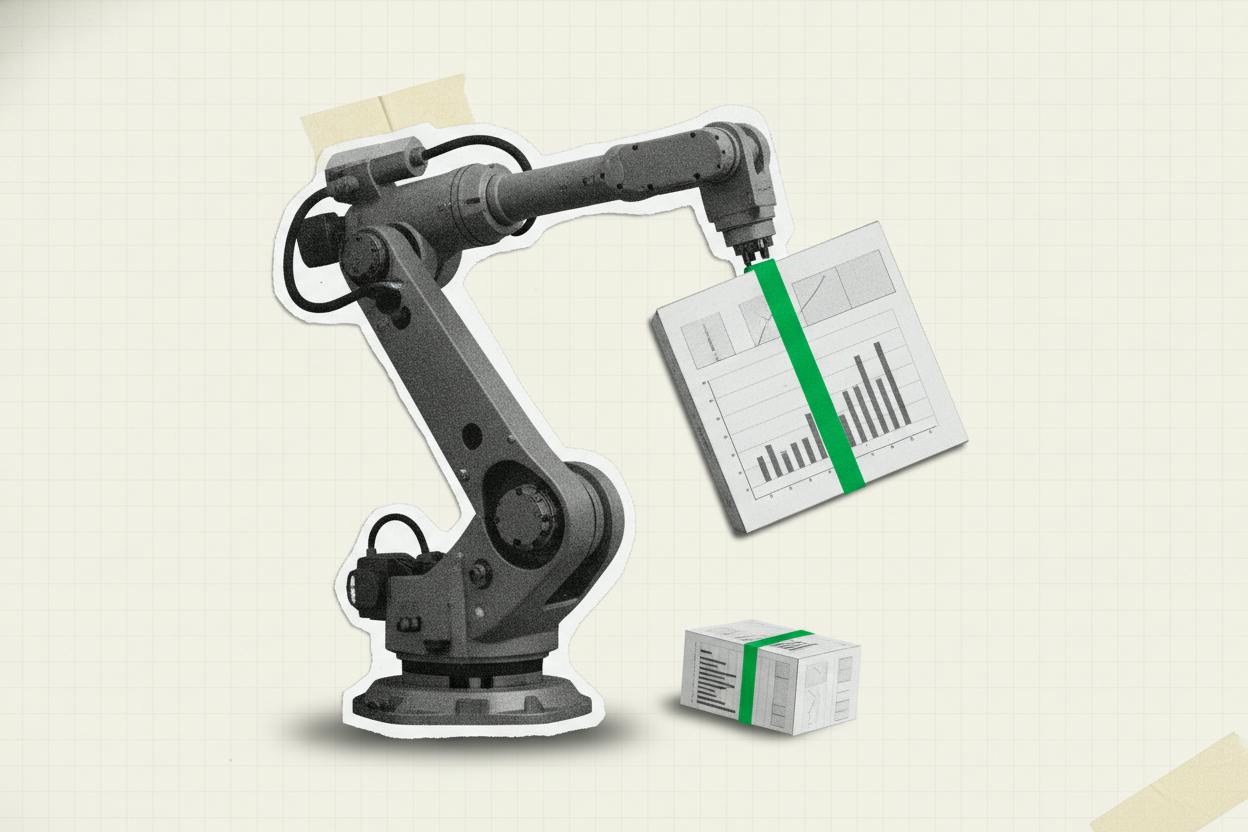
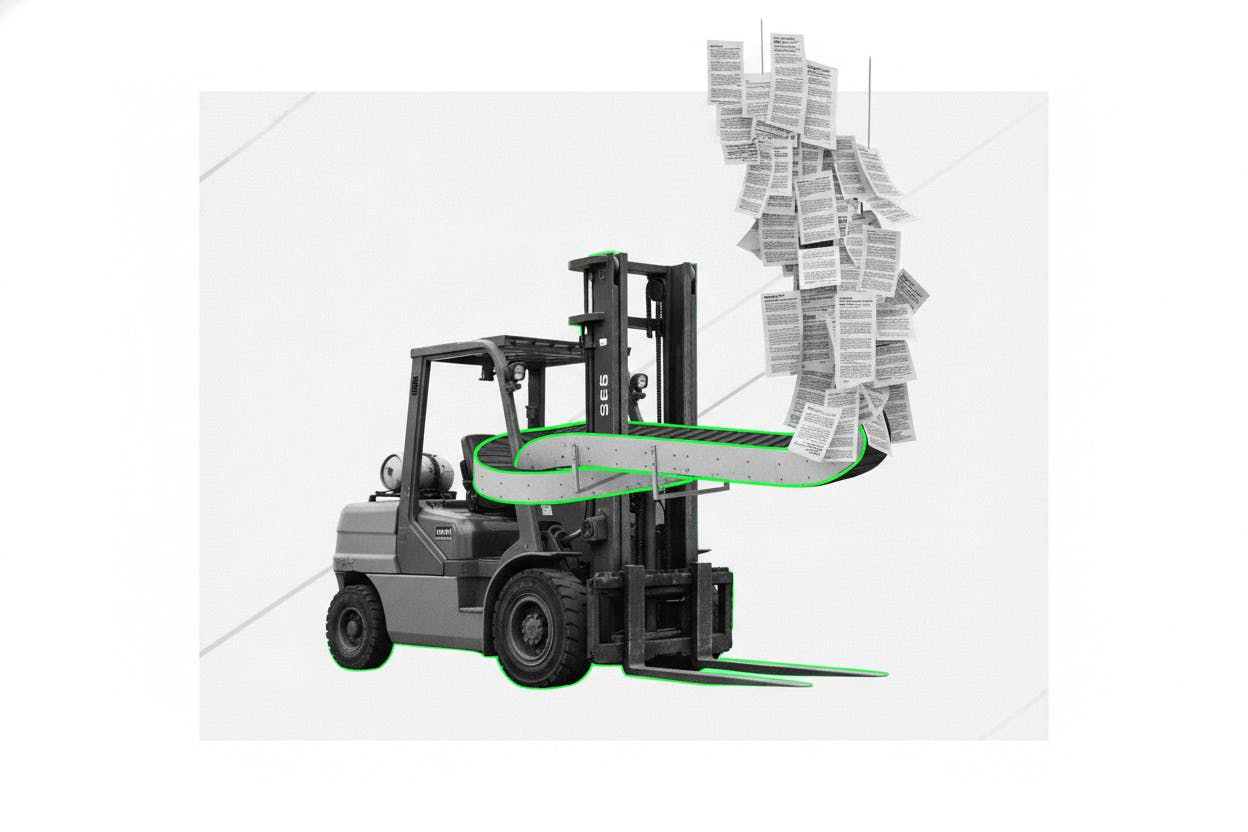
Kion Group is a German industrial company best known for its forklifts and other material handling equipment, sold under brands like Linde and STILL. But it also runs a growing warehouse automation division that builds robotic systems, conveyor belts, and software to help warehouses run more efficiently. That automation business has been a bright spot for the company in recent years, as e-commerce and logistics firms invest heavily in technology to speed up order fulfillment.
The broader industrial sector in Europe has faced headwinds from weak manufacturing activity, particularly in Germany. Germany's industrial output rose 0.9% in May, driven by the auto sector, but the overall picture remains mixed. Factory orders have been volatile, and high interest rates have weighed on capital spending by businesses.
Why Orders Are Slowing
Bank of America attributes the expected 8% drop in industrial truck orders partly to a pull-forward effect: some customers placed orders in the first quarter that would normally have come in Q2. European factory activity has also been soft, reducing demand for new forklifts. The bank notes that costs are likely to remain sticky in the near term, though pricing power may start to improve later.
This pattern is not unique to Kion. Many industrial equipment makers have reported uneven demand as customers delay big purchases amid economic uncertainty. US services sector growth slowed in June, and similar trends in Europe have kept businesses cautious.
Warehouse Automation as a Growth Driver
The warehouse automation business, however, is expected to provide a counterbalance. Kion has been investing heavily in this area, and Bank of America believes it helped support overall results in Q2. Automation orders tend to be larger and longer-term, making them less sensitive to quarterly economic wobbles. The bank sees this segment as a key reason why Kion's overall performance may not be as weak as the forklift numbers suggest.
Investors will be watching the July 30 report for details on order intake, revenue, and margins in both divisions. The trimmed 2026 EBITDA forecast of 912 million euros suggests that Bank of America expects the recovery in the industrial trucks business to take time.
What It Means for Investors
For everyday investors, the key takeaway is that Kion is a tale of two businesses. The forklift unit is cyclical and sensitive to the health of manufacturing and logistics. The warehouse automation unit is more structural, benefiting from long-term trends like e-commerce growth and supply chain modernization.
Bank of America's report highlights the importance of watching the mix between these two segments. If automation continues to grow as a share of Kion's revenue, it could make the company less vulnerable to economic downturns. On the other hand, if the industrial trucks business stays weak for longer, it could weigh on overall profitability.
The 8% order decline forecast is a reminder that European industrial demand remains patchy. Inflation in the Czech Republic has dipped below 2%, but services inflation elsewhere keeps central banks cautious, which in turn affects business investment decisions.
Kion's stock has been volatile this year, reflecting uncertainty about the pace of recovery. The July 30 report will give investors a clearer picture of whether the automation business can indeed carry the company through a soft patch in its core market.