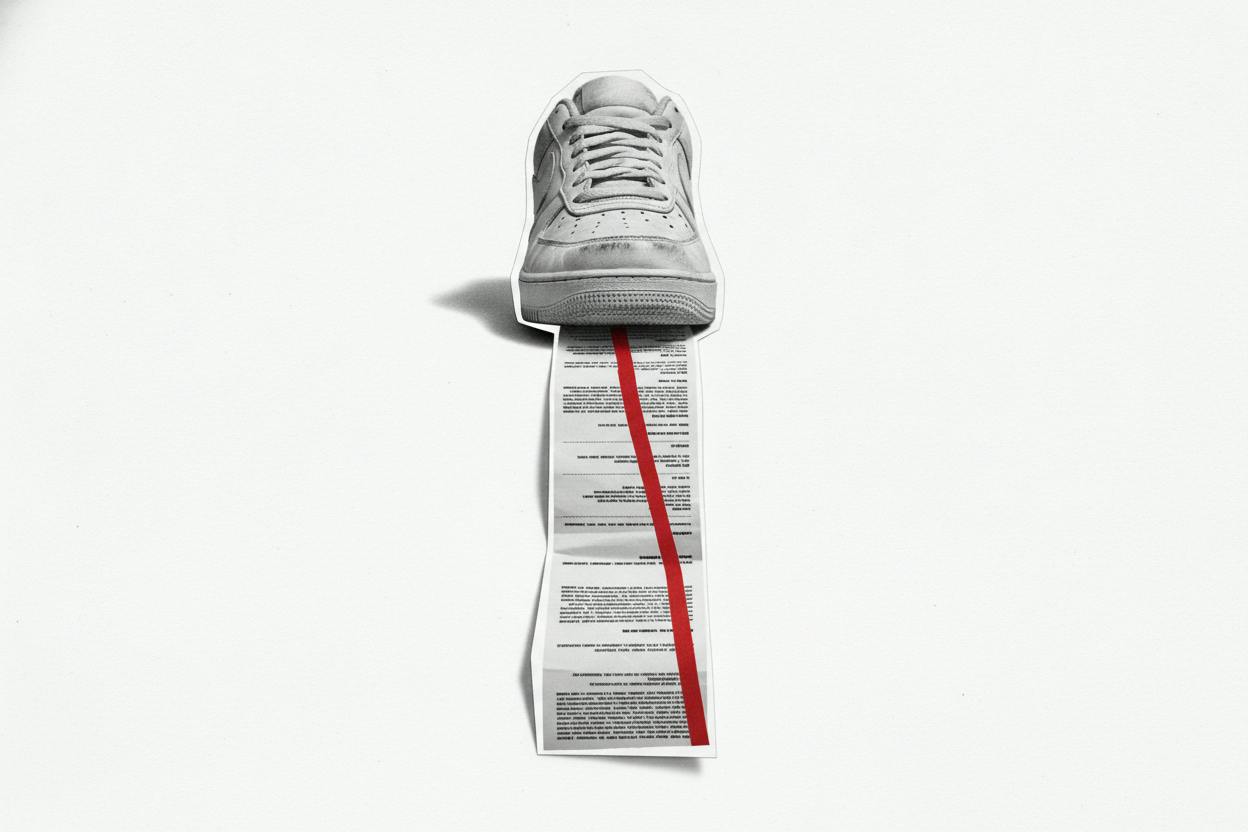
Bank of America has become more pessimistic about Nike's turnaround, warning that the sportswear giant's sales slump could stretch well into next year. In a new note to clients, the bank's analysts said they now expect Nike's revenue to remain negative through fiscal 2027, with any meaningful rebound pushed out to fiscal 2028.
The revised outlook marks a significant shift from earlier expectations and underscores the challenges facing the company as it works to revive growth. Nike has been grappling with softer consumer demand, particularly in North America, where shoppers have become more selective about what they buy.
Why the recovery is taking longer
BofA's analysts point to a key distinction between what Nike ships to retailers and what actually sells to consumers. While Nike may be moving plenty of product into wholesale channels, the bank says the real test is "sell-through" — how quickly shoppers buy those shoes and apparel at the register.
According to the note, demand for Nike's classic styles has cooled, and some newer product launches haven't resonated as strongly as hoped. That combination could make retailers more cautious about placing future orders, which would weigh on Nike's wholesale business.
The bank also trimmed its financial forecasts for fiscal 2027, now projecting revenue of $44.31 billion and earnings per share of $1.43. These cuts reflect the expectation that the sales downturn will persist longer than previously assumed.
Nike has been in the midst of a strategic reset, focusing on clearing inventory and refreshing its product lineup. But the road back to growth appears bumpier than many on Wall Street had hoped.
What this means for investors
For everyday investors, the key takeaway is that Nike's recovery is likely to be a longer, more gradual process than initially anticipated. The company's stock has been under pressure as sales have slowed, and today's news suggests that pressure could continue for a while.
Investors should watch how Nike's new product launches perform in the coming quarters, as well as any signs that retailers are rebuilding their orders. The company's direct-to-consumer business and its performance in international markets, especially China, will also be important indicators.
It's worth noting that Nike is not alone in facing a challenging consumer environment. Other retailers have reported similar trends, with shoppers pulling back on discretionary spending. Olive Garden's recent sales miss highlighted how even dining out is being affected, and UK retailers have cut orders at a record pace as sales slump. These signals suggest that consumer caution is widespread, which could keep pressure on Nike and its peers.
On the other hand, some competitors are faring better. Adidas has won confidence from RBC thanks to its product pipeline, showing that the sportswear market isn't uniformly weak. That contrast could make Nike's struggles more pronounced.
Looking ahead
Nike's next earnings report will be closely watched for any update on management's outlook and whether the sales trend is improving. Investors will also be listening for commentary on inventory levels and wholesale orders.
BofA's revised forecast is just one bank's view, but it adds to a growing sense that Nike's turnaround will take time. For now, patience may be the key for investors holding the stock, as the company works through its challenges and positions itself for a longer-term recovery.