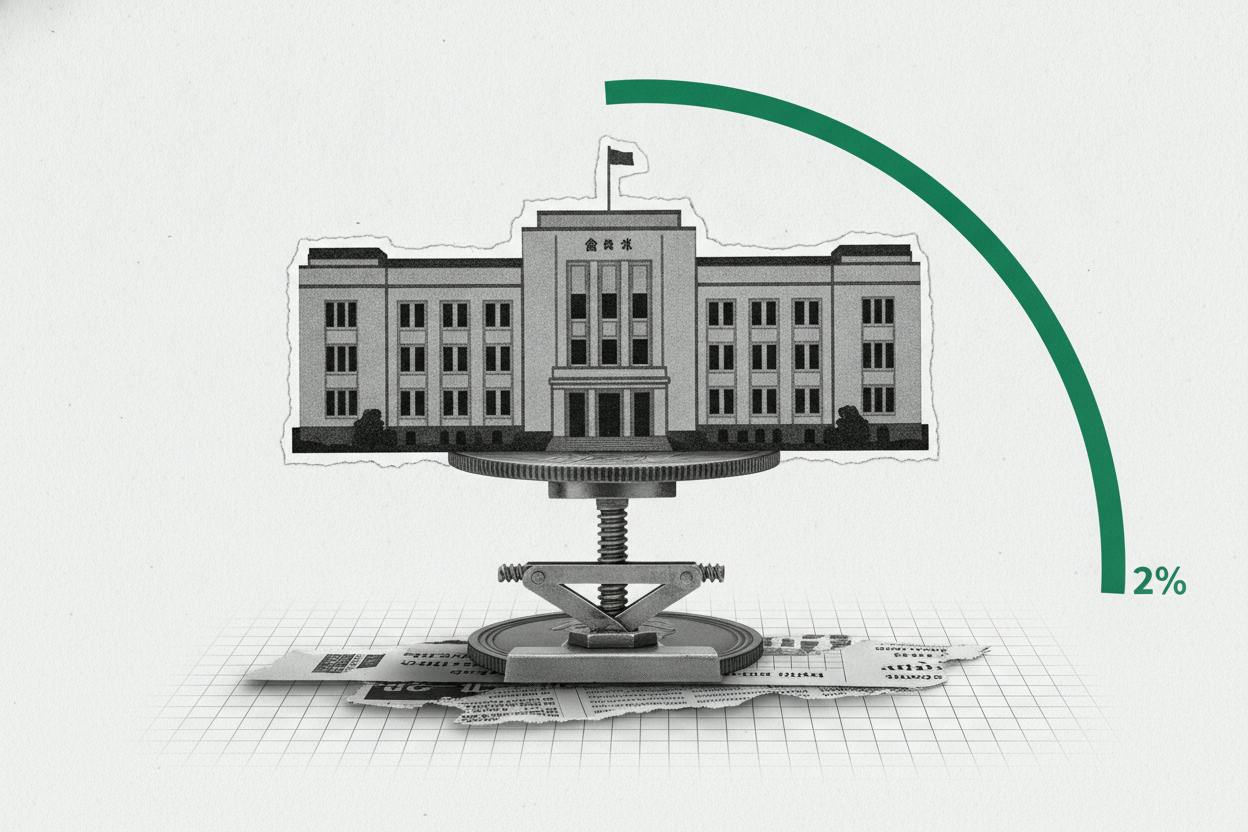
The Bank of Japan is inching closer to another interest rate increase, according to its second-in-command. Deputy Governor Ryozo Himino told lawmakers on Tuesday that underlying inflation is now close to the central bank's 2% target, and that financial conditions remain loose even after last month's hike. The remarks are the clearest signal yet that policymakers are comfortable with further tightening, and they keep a December move firmly in play.
What Himino said
Himino's core message was that the BOJ's policy is still not doing much to slow the economy. Even with the policy rate at 1.25% — the highest in 31 years — he described financial conditions as "accommodative," meaning credit is still easy to obtain and real borrowing costs, after accounting for inflation, are low.
He also pointed to several forces that could keep prices firm: higher fuel and raw-material costs, strong export demand tied to global spending on artificial intelligence, and a weak yen that can amplify imported inflation. That combination, he suggested, means the BOJ cannot afford to let its guard down.
The comments come just days before the BOJ's next policy meeting, which ends on October 30. Investors will be watching whether the bank nudges its inflation outlook higher at that meeting — a move that would reinforce expectations for another hike in December.
Why the BOJ is moving cautiously
Japan's central bank is trying to exit years of ultra-low interest rates without letting inflation settle above its 2% goal. The challenge is balancing the need to contain price pressures against the risk of choking off a fragile economic recovery.
Unlike the U.S. Federal Reserve or the European Central Bank, which have been cutting rates, the BOJ is still in tightening mode. That divergence has kept the yen under pressure, which in turn pushes up the cost of imported goods — a dynamic Himino explicitly flagged.
The BOJ's path is also being watched closely by global investors because Japan is one of the world's largest holders of foreign assets, and its rate decisions can ripple through global bond and currency markets.
What it means for investors
For everyday investors, the most immediate impact of a potential BOJ hike is likely to be felt in Japanese bank stocks. When the central bank raises rates, short-term funding costs rise, and banks often pass those costs on to borrowers faster than they raise deposit rates. That can widen the spread between what banks earn on loans and what they pay savers, boosting net interest income.
That dynamic makes Japan's banking sector unusually sensitive to shifts in BOJ tone. If traders believe a December hike is more likely, bank shares could get a lift. Conversely, any sign that the BOJ is backing away could weigh on the sector.
For investors holding Japanese bonds, higher rates typically mean lower bond prices. The BOJ's moves have already pushed yields up, and a further hike would likely extend that trend. Japan Post Insurance has already shifted to shorter-term government bonds as yields rise, a sign that major institutional investors are adjusting their portfolios.
For those with exposure to Japanese equities more broadly, the picture is mixed. A stronger yen, which often follows a rate hike, can hurt exporters by making their goods more expensive abroad. But it can also ease the pain of imported inflation for consumers and domestic companies.
The BOJ's next move will also be shaped by broader economic data. Japan's inflation figures are due later this week, and they could provide the final piece of evidence the BOJ needs before deciding whether to act in December.
What to watch next
The October 30 meeting is the immediate focus. Investors will look for any change in the BOJ's forward guidance or its inflation projections. A more hawkish tone would strengthen the case for a December hike.
Beyond that, the path of the yen will be crucial. A continued slide in the currency could force the BOJ's hand, as it amplifies imported inflation. But a sharp appreciation could give policymakers room to wait.
For now, Himino's comments suggest the BOJ is leaning toward action. The question is not whether it will hike again, but when — and how quickly it moves to normalize policy after decades of ultra-low rates.
As always, investors should remember that central bank policy is just one factor in market performance. Diversification and a long-term perspective remain the best tools for navigating rate cycles.