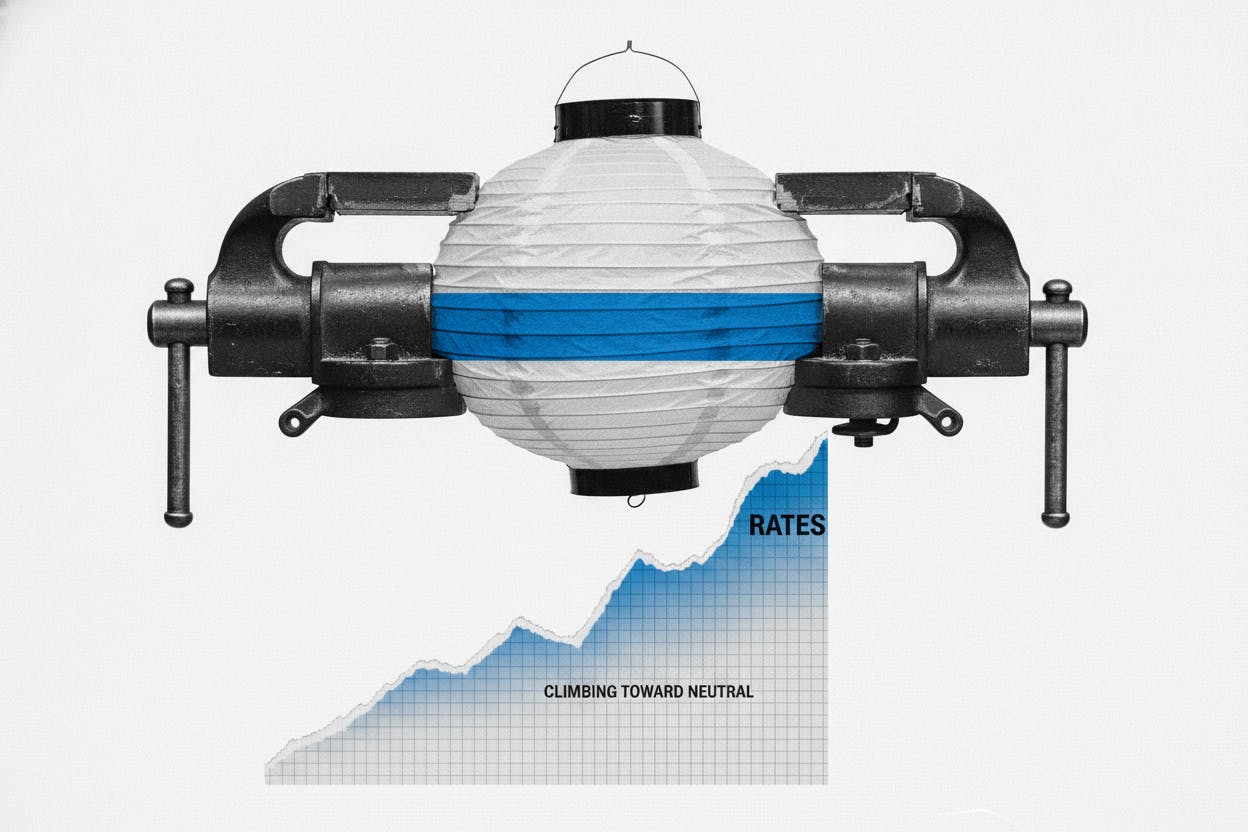
The Bank of Japan's June meeting minutes, released this week, reveal a central bank increasingly convinced that inflation is no longer just an energy story. Policymakers flagged broadening price pressures across a wide range of goods and even kept the door open to another rate hike as soon as September, according to Reuters.
The minutes come on the heels of the BOJ's decision to lift its policy rate to 1% at that June meeting—the highest level in 31 years. The move was justified by rising fuel costs and a weak yen, which have been feeding into consumer prices. But the discussion inside the room quickly widened beyond energy, with several members noting that firms are planning price hikes across many product categories, and that high oil prices are showing up relatively fast in business-to-business costs—a channel that can later filter through to what households pay at the checkout.
Why the BOJ is turning more hawkish
For years, the Bank of Japan stood apart from global peers, keeping interest rates at or below zero while other central banks hiked aggressively. That era is clearly ending. The June minutes show a central bank that is now actively debating the pace of further normalization, with some members signaling that waiting too long could allow inflation to become entrenched.
The weak yen is a key driver. A softer currency makes imported goods more expensive, and with Japan heavily reliant on energy and raw material imports, the pass-through to domestic prices has been quicker than many expected. The minutes suggest that policymakers are watching this dynamic closely, and that the bar for another hike may be lower than previously thought.
This shift is not happening in isolation. Other central banks in the region are also moving. The Bank of Korea has signaled more rate hikes after its July move, and the Federal Reserve has hinted at further tightening, which has pushed yields higher and weighed on stocks. Japan's situation is unique, though, because it is emerging from a long period of ultra-loose policy, and the transition carries its own risks.
What it means for investors
For everyday investors, the BOJ's trajectory matters for several reasons. First, higher Japanese interest rates can affect global bond markets, as Japanese government bonds are a benchmark for many investors. A more hawkish BOJ could put upward pressure on yields worldwide, which tends to make borrowing more expensive and can weigh on stock valuations.
Second, the yen's direction is closely tied to the rate outlook. If the BOJ hikes again, the yen could strengthen, which would have mixed effects: it would help Japanese consumers by lowering import costs, but it could hurt the profits of Japanese exporters, which benefit from a weaker currency. For investors holding Japanese stocks or funds, this is a key dynamic to watch.
Third, the broadening price pressures highlighted in the minutes suggest that inflation in Japan is becoming more entrenched. That could mean higher interest rates for longer, which would ripple through global markets. The BOJ's moves are particularly relevant for investors in Japan's services sector, where price hikes have already hit a decade high, even as growth cools.
What to watch next
The BOJ's next policy meeting is scheduled for September, and the minutes make clear that a move is on the table. Investors will be parsing every piece of data between now and then—especially inflation readings, wage growth, and the yen's level—for clues about the likely decision.
It's worth noting that the BOJ has a history of surprising markets, and the path of policy is far from certain. But the tone of the June minutes is unmistakably more hawkish than in previous cycles. As one economist put it, the central bank is no longer just talking about the need to be patient; it is actively debating the timing of the next step.
For those with exposure to Japanese assets, or to global markets more broadly, the BOJ's shift is a reminder that the era of ultra-cheap money in Japan is drawing to a close. That transition will create winners and losers, and staying informed about the central bank's thinking is more important than ever.
In the meantime, investors should keep an eye on how other central banks are moving. The Fed's hints at more rate hikes have already rattled markets, and the BOJ's stance could add to the pressure. The combination of tightening in both the US and Japan would be a significant shift from the past few years, when Japan was the lone holdout keeping rates low.
Ultimately, the BOJ's minutes are a clear signal that the world's third-largest economy is joining the global tightening cycle. For investors, that means adjusting to a world where interest rates are higher across the board—and where the easy money that lifted asset prices for years is becoming a thing of the past.