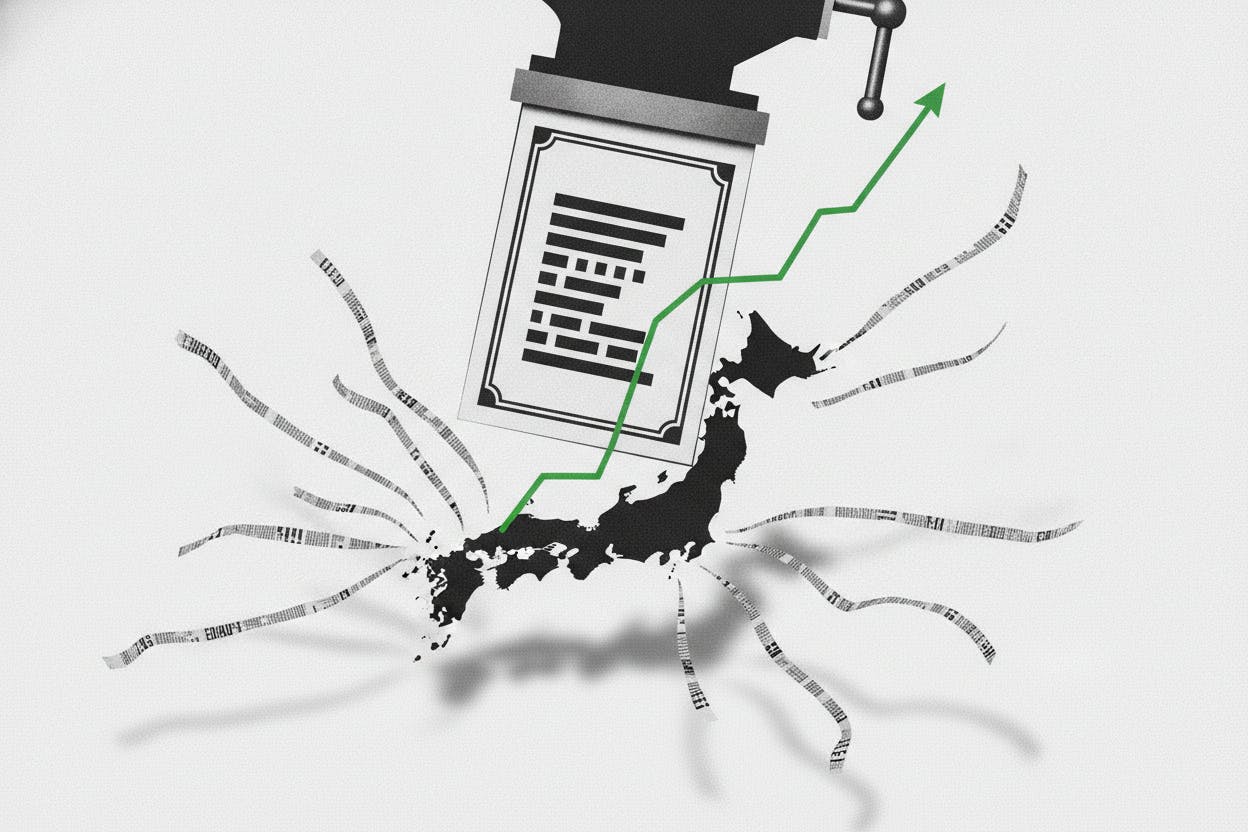
The Bank of Japan's (BOJ) June meeting minutes, released this week, reveal that policymakers raised interest rates to a 31-year high of 1% and are now debating whether another hike could come as soon as September. The minutes, reported by Reuters, show a central bank increasingly focused on the risk that inflation is broadening beyond a temporary spike.
What the minutes say
According to the minutes, several board members pointed to companies planning price increases across a wide range of goods later in the fiscal year. This suggests the BOJ is less worried about a one-off bump in prices and more concerned that inflation is becoming entrenched. Some members argued that costs could remain sticky even if oil prices fall, because shipping and storage expenses stay elevated.
The decision to lift rates to 1%—the highest level in 31 years—was itself a significant step. It marks a clear departure from the ultra-loose monetary policy Japan has maintained for decades. The minutes indicate that the move was not unanimous, with some members pushing for even faster action.
Why this matters
Japan has long been the outlier among major economies, fighting deflation while others battled rising prices. Now, the BOJ is joining the global tightening trend, albeit later and more cautiously. For everyday investors, this shift has several implications.
Higher interest rates in Japan can affect global markets. Japanese government bonds become more attractive, potentially drawing funds away from other assets. A stronger yen, often a result of rate hikes, can impact Japanese exporters' profits and, by extension, their stock prices. Companies like Toyota and Sony, which rely heavily on overseas sales, could see their earnings squeezed if the yen appreciates.
The BOJ's path also contrasts with other central banks. While the U.S. Federal Reserve and the European Central Bank have been cutting rates or holding steady, Japan is moving in the opposite direction. This divergence can create volatility in currency markets and influence investment flows.
What it means for investors
For investors with exposure to Japanese assets, the key takeaway is that the BOJ is not done. The minutes suggest a growing appetite for further hikes, with September a real possibility. This could mean higher borrowing costs for Japanese companies and consumers, potentially slowing economic growth.
However, it also signals confidence in the Japanese economy. The BOJ would not raise rates if it did not believe inflation was sustainable and growth was on track. For long-term investors, this could be a positive sign, but it also means being prepared for more volatility in Japanese markets.
Investors should also watch how the BOJ's moves interact with other global trends. For instance, Czech inflation ticking up and the RBI holding rates show that central banks worldwide are still grappling with inflation. Japan's situation is unique, but it is part of a broader narrative of monetary policy normalization.
What to watch next
The BOJ's next policy meeting is scheduled for September. Investors will be parsing every piece of data between now and then—wage growth, inflation figures, and the yen's movement—for clues about the decision. The minutes also highlighted that some board members want faster moves, so the debate within the bank will be crucial.
Additionally, the BOJ's stance on bond purchases and its overall balance sheet will be important. As it raises rates, it may also reduce its massive bond-buying program, which could have ripple effects on global bond markets.
For now, the message from the minutes is clear: the BOJ is prepared to act again if inflation continues to broaden. Investors should stay informed and consider how these developments might affect their portfolios, especially if they hold Japanese stocks, bonds, or currency exposure.
As always, it's wise to remember that central bank policies are just one factor in investment decisions. Diversification and a long-term perspective remain key.