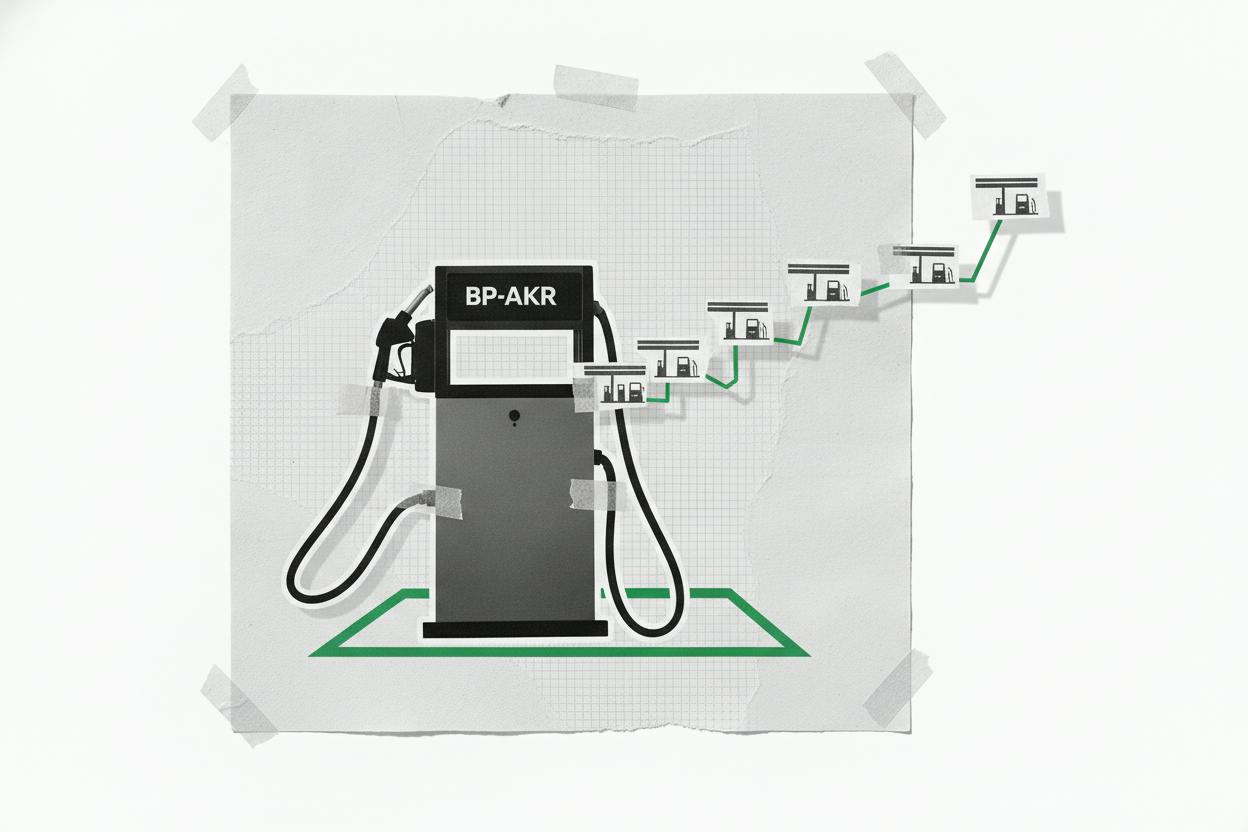
Indonesia's fuel retail market is consolidating. PT Aneka Petroindo Raya (APR), the operator of BP-branded fuel stations in the country, has agreed to buy a 90% stake in PT Vivo Energy Indonesia for $15.5 million. The deal adds 47 fuel stations to APR's network, and the company says it will rebrand those sites under the BP-AKR name.
APR already runs 75 BP-AKR stations on the island of Java. Once the acquisition is complete, the combined network will total 122 locations, making APR one of the larger private fuel retailers in Indonesia. The transaction is a straightforward expansion play: APR is buying scale in a market where size can matter more than ever.
Why is this happening now?
The deal lands during a turbulent period for private fuel retailers in Indonesia. Last year, the country's energy ministry tightened rules on direct fuel imports, a move that Reuters linked to shortages at private stations, including those operated by BP and Shell. The new regulations made it harder for smaller operators to source fuel independently, and some stations reportedly ran dry.
Bigger operators are generally better positioned to handle such regulatory shifts. They have more leverage with suppliers, more resources to navigate compliance, and a larger network to spread fixed costs across. By absorbing Vivo's stations, APR is betting that scale will help it weather the tougher operating environment and compete more effectively against state-owned giant Pertamina, which dominates the Indonesian fuel market.
This is not the only recent move in Indonesia's energy sector. The country has been actively courting foreign investment, as seen in the $71.8 billion in deals signed with China, which included a $50 billion smart city plan. That broader investment push underscores the strategic importance of Indonesia's infrastructure and energy markets.
What does this mean for investors?
For everyday investors, this deal is a reminder that fuel retail is a capital-intensive, margin-thin business. The $15.5 million price tag for 90% of Vivo Energy Indonesia suggests the company was not valued highly, reflecting the challenges private fuel retailers face in Indonesia. The acquisition is small in the grand scheme of global energy markets, but it signals a consolidation trend that could reshape the competitive landscape.
Investors with exposure to energy stocks should note that this deal is part of a broader pattern of consolidation and repositioning. In recent months, mega-deals have returned across energy and banking, as companies seek scale or exit non-core assets. The Vivo purchase is a microcosm of that trend, albeit at a much smaller scale.
For those watching Indonesian assets, the timing is notable. The rupiah has been under pressure, and Bank Indonesia raised rates to 6% as the currency hit a record low. A weaker rupiah makes imports more expensive, which could squeeze fuel retailers that rely on imported product. APR's expansion suggests it sees enough long-term demand to justify the investment, but currency risk remains a factor.
What to watch next
The deal is subject to regulatory approval, and APR has not given a timeline for completion. Investors will be watching whether the rebranding goes smoothly and whether the combined network can improve profitability. The bigger question is how Indonesia's fuel import rules evolve. If the regulatory environment stabilizes, private retailers could see margins recover; if it tightens further, smaller players may continue to struggle, potentially leading to more consolidation.
For now, APR's move is a bet on the resilience of Indonesia's fuel demand and the benefits of scale. It's a modest deal, but one that highlights the shifting dynamics in a market where the rules of the game are changing.