Brazil's inflation data released this week offered a mixed picture for investors: monthly price pressures eased a touch, but the longer-term trend moved further above the central bank's target. The result leaves policymakers in a tight spot as they try to balance support for economic growth with the need to keep inflation expectations anchored.
What the latest numbers show
Brazil's official statistics agency, IBGE, reported that consumer prices rose 0.41% through mid-June. That was slightly below the 0.44% median estimate from economists surveyed by Reuters, offering a modest upside surprise. The main drivers were familiar categories: food and beverages climbed 0.74%, while housing costs increased 0.72%. Together, those two groups accounted for roughly two-thirds of the overall monthly increase, though both showed some cooling from May's pace.
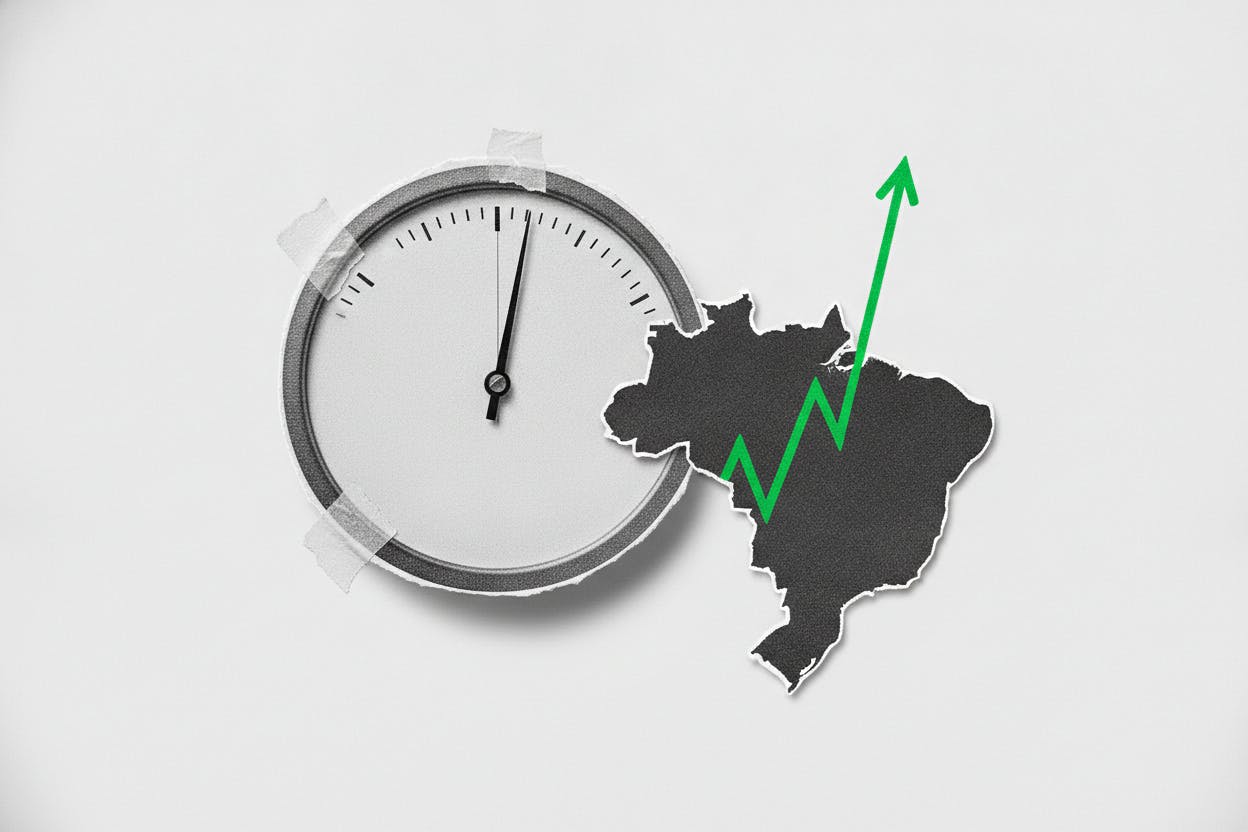
The bigger concern for markets, however, is the annual inflation rate. The 12-month figure accelerated to 4.80% from 4.64% in the prior reading, moving further above the central bank's official target of 3%. That target comes with a tolerance band of 1.5 percentage points on either side, meaning the upper limit is 4.5%. At 4.80%, inflation is now clearly above that ceiling.
Central bank's dilemma
This data lands at a delicate moment for Brazil's central bank. Last week, policymakers cut the benchmark Selic rate for the third consecutive meeting, trimming it by 0.25 percentage points to 14.25%. In their statement, officials acknowledged that the inflation outlook had worsened, but they pressed ahead with easing to support a slowing economy.
The latest inflation print complicates that strategy. When the annual rate sits above the target band, it raises the risk that households and businesses begin to expect persistently higher inflation. Those expectations can become self-fulfilling, making it harder for the central bank to bring prices under control without resorting to sharper rate hikes later.
For now, the central bank faces a classic policy bind: it wants to keep cutting rates to stimulate growth, but inflation running above the target ceiling threatens its credibility. Investors will be watching closely for any hints from officials about whether the easing cycle can continue at the current pace, or whether they will need to pause or slow the cuts.
What it means for investors
For bond markets, the key takeaway is that Brazil's inflation remains sticky, especially in the food and housing components that affect household budgets most directly. The 4.80% annual rate means the so-called "front end" of the yield curve—the part most sensitive to expectations for the next few policy meetings—will likely react sharply to each new data point and to any comments from central bank officials.
Currency markets are also on alert. The Brazilian real has been sensitive to shifts in rate expectations, and a prolonged period of inflation above target could pressure the currency if investors conclude that the central bank will need to slow its easing. A weaker real, in turn, can feed back into inflation by making imported goods more expensive.
Globally, Brazil's situation echoes challenges faced by other emerging-market central banks that are trying to ease policy while inflation remains above target. The Hungary central bank recently cut rates despite ending food price caps, while the Czech central bank actually hiked rates to combat sticky services inflation. Each country's path depends on its own inflation dynamics and policy credibility.
For everyday investors, the bottom line is that Brazil's inflation story is far from over. A single monthly print below expectations doesn't change the upward trend in the annual rate, and that trend will keep the central bank's rate decisions—and the real's exchange rate—in the spotlight. Investors with exposure to Brazilian assets should expect continued volatility as markets digest each new inflation report and adjust their expectations for the pace of rate cuts.