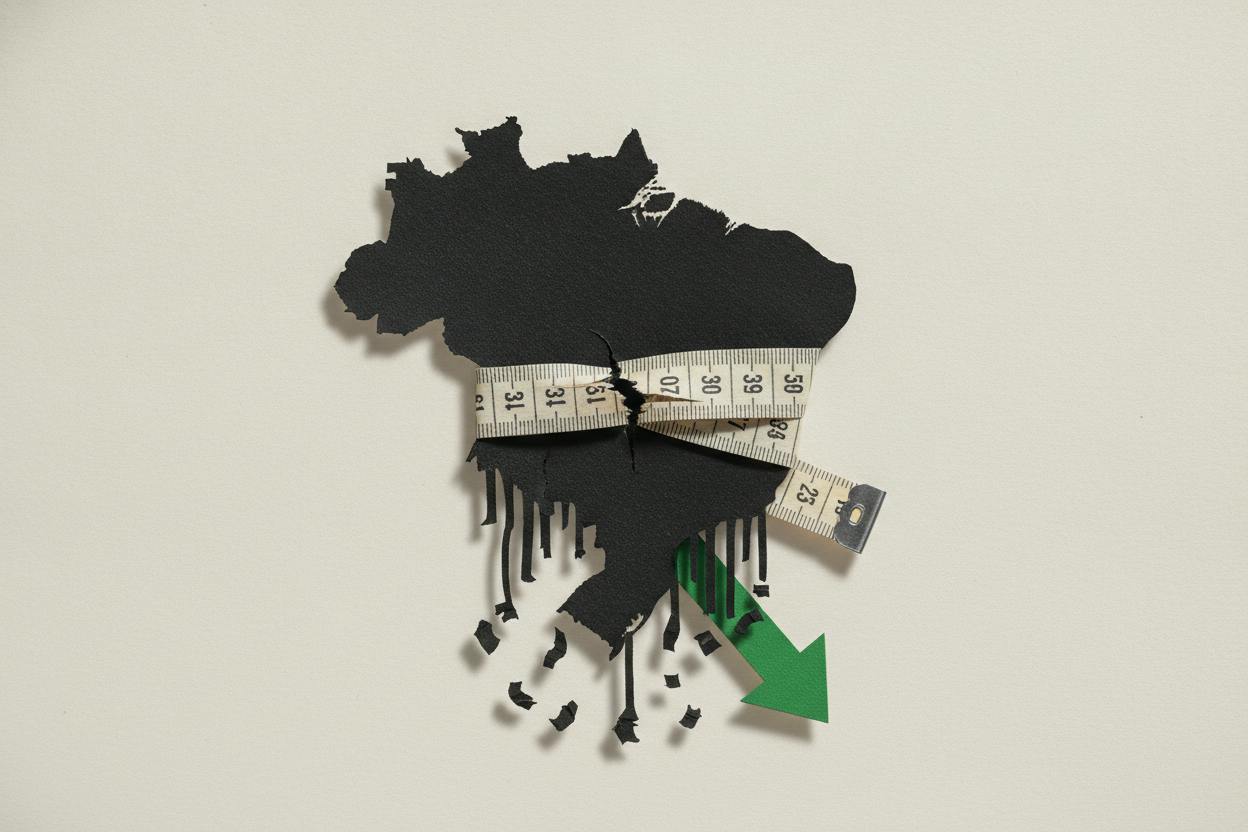
Brazilian financial markets are closing out October with sharp losses, as investors digest the implications of Luiz Inácio Lula da Silva's victory in the presidential runoff on October 25. The Bovespa stock index and the Brazilian real are both on track for one of their worst monthly performances in years, reflecting growing unease over the fiscal path the incoming government will take.
Why markets are nervous
Elections often trigger market moves, but the reaction here is less about the result itself and more about what comes next: the budget math. Investors had expected Lula's opponent, Jair Bolsonaro, to pursue a more conservative approach to government spending. With Lula's victory, traders are now focused on how his promised social programs and infrastructure investments will be paid for.
So far, Lula's team has offered few concrete details on spending limits or revenue measures. That lack of clarity has pushed investors to demand a higher "risk premium" — essentially, extra compensation for the added uncertainty of holding Brazilian assets. When risk premiums rise, asset prices tend to fall, which is exactly what has happened to the Bovespa and the real.
The central bank's next move
Attention is also turning to the Brazilian central bank, which is set to announce its interest rate decision next week. Morgan Stanley analysts now expect the Selic rate — Brazil's benchmark interest rate — to remain at 13.75%. That would mark a pause after a series of hikes, but it also signals that inflation remains a concern.
A high Selic rate can help tame inflation, but it also makes borrowing more expensive for businesses and consumers, which can weigh on economic growth. For investors, a steady rate might offer some short-term stability, but it doesn't resolve the underlying fiscal questions.
What this means for investors
For everyday investors, the key takeaway is that political transitions often bring market volatility, especially when fiscal plans are unclear. The Brazilian real's weakness has broader implications too: it can affect commodity prices, as seen in sugar markets, where a weaker real tends to boost Brazilian exports.
Emerging markets as a whole have been under pressure recently, with AI spending doubts and oil prices weighing on sentiment. Brazil's post-election selloff is part of that broader trend, but it has its own specific drivers.
Investors should also keep an eye on Brazil's household debt, which has hit a record high of 50.1% of income, with delinquencies staying elevated. That could limit how much consumers can spend, potentially dampening economic recovery and affecting corporate earnings.
What to watch next
The immediate focus is on the central bank's decision next week. If the Selic stays at 13.75%, as Morgan Stanley expects, it may provide some reassurance that policymakers are keeping inflation in check. But the bigger question is whether Lula's team will soon outline a credible fiscal framework.
Markets will also be watching for any signals on how the new government plans to manage state-controlled companies like Petrobras, and whether it will stick to spending caps or introduce new revenue measures. Until those details emerge, volatility is likely to persist.
For those with exposure to Brazilian assets, the lesson is to brace for continued swings. The risk premium that investors are demanding today could shrink if Lula's plans turn out to be more market-friendly than feared — or it could grow if the fiscal picture worsens.
As always, it's important to remember that market moves like these are part of the normal cycle of political and economic change. Long-term investors should focus on the fundamentals rather than reacting to every headline.