Raw sugar futures on ICE fell 1.1% to 19.25 cents a pound by 1428 GMT, snapping a three-session run of gains that had been fueled by forecasts for heavier rain in Brazil. The decline came even as fresh data showed a sharp drop in output from Brazil's center-south region, the world's largest sugar-producing area.
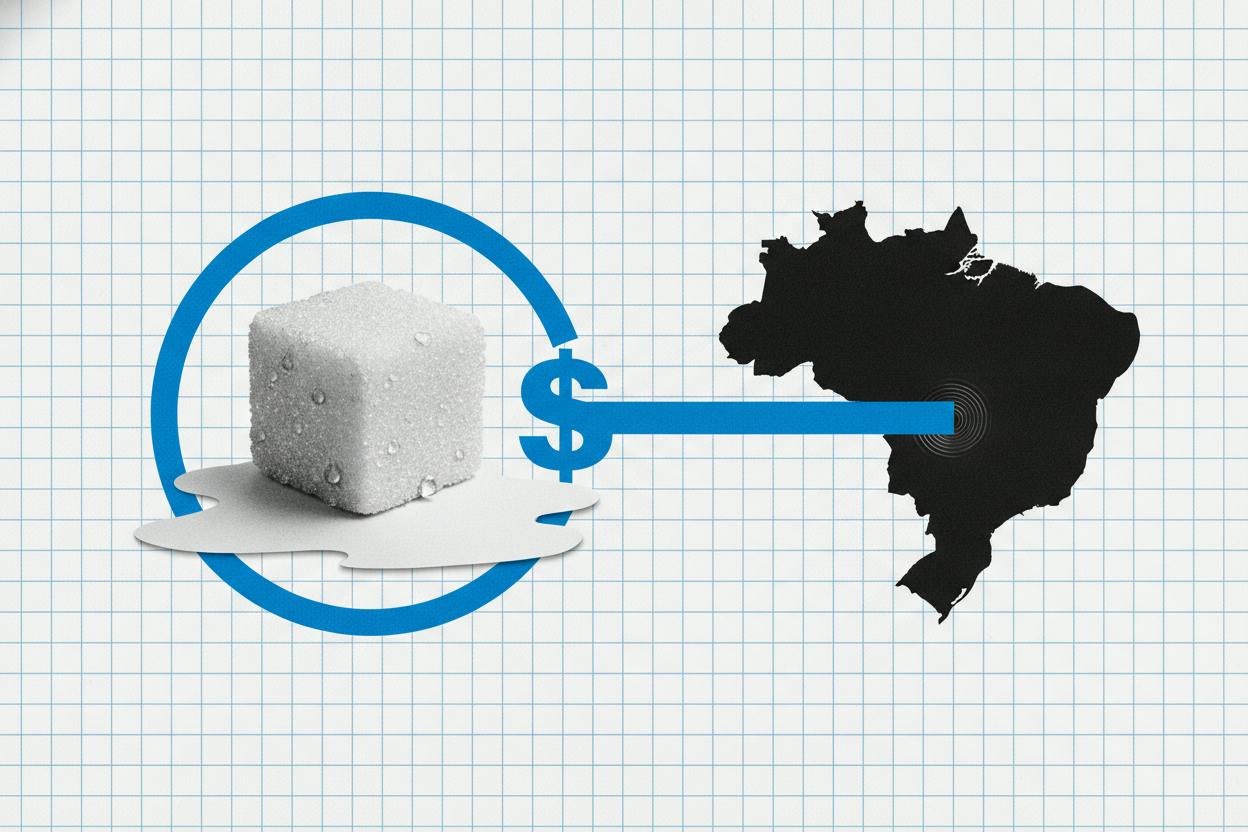
The move highlights how currency swings can matter as much as weather in commodity markets. Sugar is priced in US dollars, so when the Brazilian real weakens, local mills earn more reais for each dollar of sales. That makes them more willing to sell physical sugar or hedge by selling futures, adding supply to the market and capping price rallies.
Rain worries vs. currency reality
Earlier this week, prices had climbed on forecasts of heavier rain in Brazil, which could slow harvesting and reduce the sugar content of cane. But the real's decline shifted the focus back to selling pressure. As the currency fell, Brazilian producers saw an opportunity to lock in better local-currency returns, and they acted on it.
This dynamic can take the edge off a "weather premium" in prices, even when the crop looks shakier. In other words, bullish headlines about rain and output drops may not be enough to push prices higher if the currency is moving in the opposite direction.
There are real supply concerns underneath. Brazil's Agriculture Ministry said center-south sugar output fell 27.1% in the first half of October from a year earlier, to 1.87 million metric tons. More rain is forecast next week, which could further slow harvesting and reduce the sugar content of cane, potentially tightening global supplies.
What it means for investors
For everyday investors, sugar's 19.25 cents a pound shows how much the Brazilian real can steer prices. A weaker real effectively raises local-currency revenue on each dollar of sugar sold, prompting mills to sell or hedge through ICE futures. When many producers do that at once, futures can face a wave of supply that offsets bullish headlines like rain delays and the 27.1% output drop.
Until weather damage is large enough to cut actual export volumes, rallies can get capped. Day-to-day volatility may hinge on moves in the real as much as changes in crop forecasts. Investors watching sugar should keep an eye on both the weather in Brazil and the currency markets, as they are now tightly intertwined.
For those with exposure to sugar through ETFs or commodity funds, this means price swings could be more frequent and less predictable than a simple supply-demand model would suggest. The interplay between currency and commodity is a classic example of how global markets are connected.
As always, it's wise to consider how commodity price moves fit into your broader portfolio. Sugar is a niche market, and its volatility can be high. Understanding the drivers—like the Brazilian real—can help you make more informed decisions, but it's not a reason to make sudden moves.