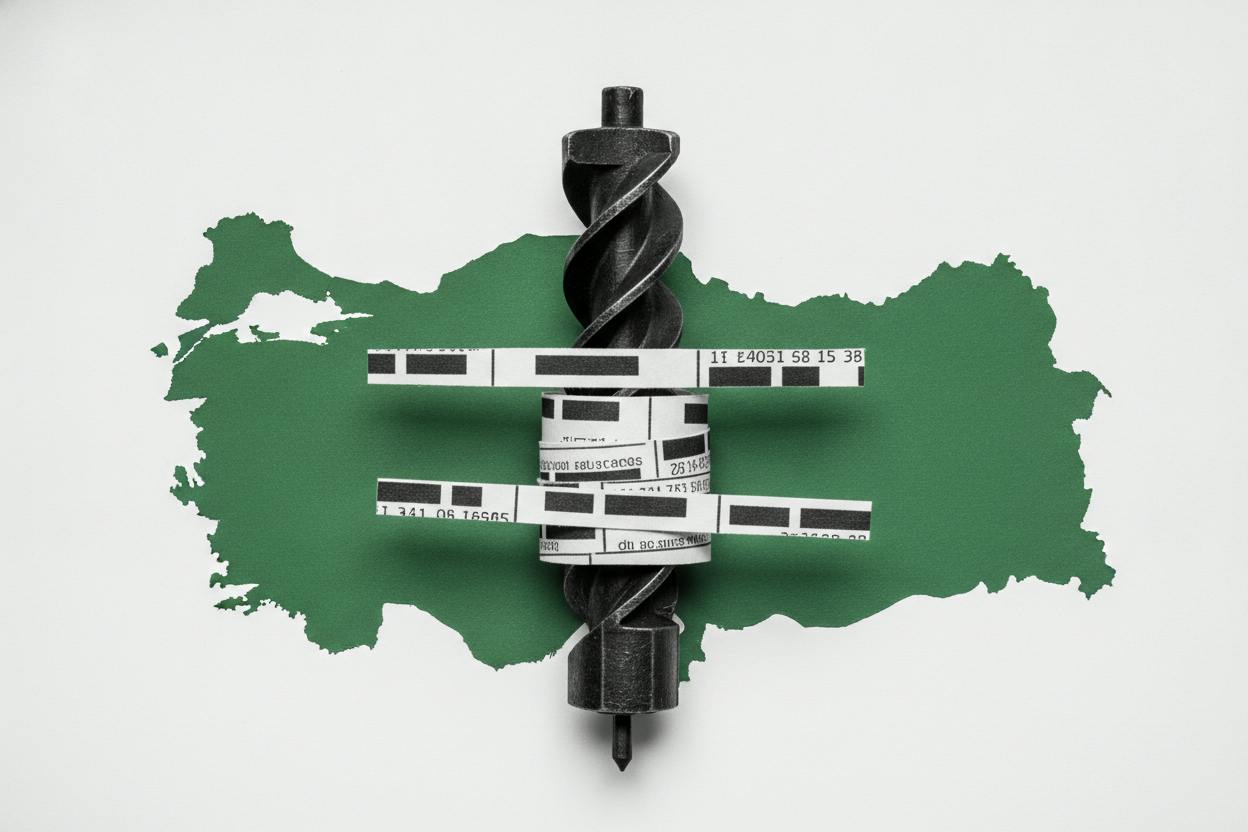
Dune Oil, a Canada-listed junior oil explorer, is looking to raise up to CA$8.3 million through a private placement to fund new seismic and drilling work on its onshore M47 Block in Turkiye. The company is pricing the units at CA$0.10 each, and the offering is expected to close on or about November 13th, subject to regulatory approvals.
The raise comes at a challenging time for the company's stock, which has slid sharply and now trades near CA$0.09—just below the offering price. That gap highlights the risk that investors are taking on, but also the potential upside if the drilling program succeeds.
How the offering works
The placement is structured as a brokered, best-efforts LIFE private placement. LIFE stands for the Listed Issuer Financing Exemption, a Canadian regulatory framework that allows public companies to raise capital from investors without the full prospectus process. This can be faster and cheaper for junior companies, but it also means less disclosure than a traditional public offering.
Each unit sold in the offering includes one common share and one warrant. A warrant gives the holder the right to buy an additional share at CA$0.125 at any time over the next 36 months. If all warrants are exercised, the company could raise additional funds beyond the initial CA$8.3 million, though that depends on the share price rising above the exercise price.
For investors, warrants are a way to participate in potential upside. If Dune Oil's share price climbs above CA$0.125, warrant holders can buy shares at a discount to the market price. If the stock stays below that level, the warrants may expire worthless.
Why Turkiye drilling matters
Dune Oil is a junior explorer, meaning it is in the early stages of developing its assets. The M47 Block is an onshore oil and gas exploration project in Turkiye, a country that has been working to reduce its energy import dependence. The funds from this raise are earmarked for seismic surveys and drilling, which are essential steps to determine whether the block holds commercially viable oil or gas reserves.
For a company of this size, a CA$8.3 million raise is significant. It provides the capital needed to advance the project, but it also dilutes existing shareholders. The new shares issued in the placement will increase the total number of shares outstanding, which can pressure the stock price in the short term.
Junior oil explorers are inherently risky investments. They often have no revenue, rely on external financing, and their success depends on drilling results that are uncertain. The sharp decline in Dune Oil's share price before this raise suggests that investors are already cautious about the company's prospects.
What it means for investors
For everyday investors, this news is a reminder of the risks and rewards of investing in junior resource companies. The offering price of CA$0.10 is slightly above the current trading price, which means new investors in the placement are paying a small premium to the market. That could be seen as a vote of confidence by the company's management, but it also means that if the stock continues to fall, those new investors could be underwater immediately.
The use of a LIFE private placement is also worth noting. It allows the company to raise money more quickly, but it also means that retail investors may not have access to the same level of information as they would in a full prospectus offering. Investors should read the company's disclosures carefully and understand the risks before participating.
For those who already hold Dune Oil shares, the dilution is a key factor. The new shares will reduce the ownership stake of existing shareholders, and if the drilling program fails, the stock could fall further. On the other hand, if the M47 Block proves to be productive, the company's value could increase significantly, potentially offsetting the dilution.
This type of capital raise is common among junior explorers, but it is not without controversy. Some investors view it as a necessary step to fund growth, while others see it as a sign of financial weakness. The fact that the company is raising money at a price below its recent trading levels suggests that it may have had difficulty securing financing on better terms.
In the broader context, oil prices have been volatile, and geopolitical risks in the region add another layer of uncertainty. Turkiye's energy sector has attracted interest from foreign investors, but political and regulatory risks remain. Investors should weigh these factors when considering any exposure to Dune Oil.
For now, the focus will be on whether the offering closes as planned and how the company uses the funds. The drilling results, when they come, will be the next major catalyst for the stock. Until then, investors should be prepared for continued volatility.