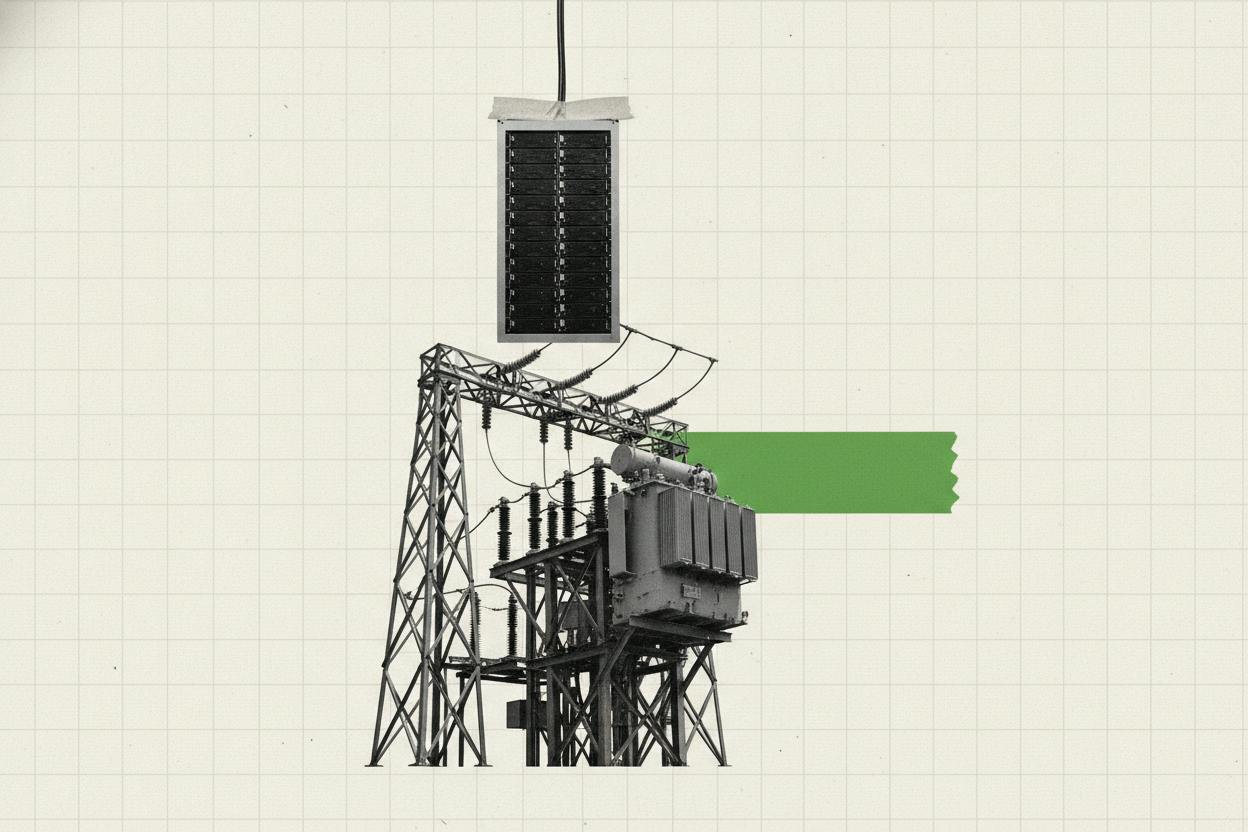
Alliant Energy, a Midwest electric utility serving about 1 million customers in Iowa and Wisconsin, says it could sign contracts for roughly 1 gigawatt (GW) of new data-center power demand within the next six months. That would come on top of the 3.4 GW it already has lined up with tech giants Google, Meta, and data-center operator QTS.
The news underscores how quickly artificial intelligence is reshaping the electricity market. As AI companies build massive data centers to train and run their models, they need enormous amounts of power—often more than a typical city. At the same time, the broader economy is shifting from fossil fuels to electricity for cars, heating, and industry, adding further pressure on the grid.
What Alliant is planning
Alliant says the next roughly 1 GW of demand would likely ramp up between 2029 and 2031. That longer runway gives the company time to plan new transmission lines, substations, and other grid upgrades needed to serve the load.
That visibility is part of why Alliant raised its 2027–2030 capital spending forecast by 19% to $15.9 billion. The company also said systemwide peak demand could climb more than 60% by 2031.
CFO Robert Durian said profit growth could exceed the company's 8% target if spending rises further and projects move from construction into the bucket utilities are allowed to earn on. That “if” depends heavily on state regulators approving when and how fast Alliant can pass those costs into customer bills.
Why regulators are the swing factor
For regulated utilities, the key isn't just landing big customers—it's converting construction spending into a larger “rate base.” That's the pool of assets regulators let the company earn a set return on. The bigger the rate base, the more profit a utility can make.
But that conversion usually happens with a lag. Projects have to be finished and then approved in rate cases in Iowa and Wisconsin. So even if Alliant signs the new contracts quickly, the financial payoff may not show up for years.
This dynamic cuts both ways. If approvals keep pace, Alliant's 2027 earnings-per-share guidance of $3.63–$3.73 looks more like a stepping stone toward faster-than-8% growth. If approvals come slowly, heavier upfront spending could pressure near-term earnings and make results more sensitive to financing costs while those projects wait to become billable.
What it means for investors
For everyday investors, Alliant's announcement is a reminder that the AI boom isn't just a tech story—it's an energy story. Utilities that can secure data-center customers and get regulatory approval to build the infrastructure could see steady, long-term growth. But the timing of that growth is uncertain.
Investors should watch two things: how quickly Alliant signs the new contracts, and how state regulators in Iowa and Wisconsin handle the company's rate cases. If approvals come through smoothly, the stock could benefit from higher expected earnings. If they drag, the company may have to borrow more to fund construction, which could eat into profits.
Alliant's situation is part of a broader trend. Across the U.S., utilities are scrambling to meet surging demand from data centers, electric vehicles, and manufacturing. Some are raising spending plans, while others are warning of grid constraints. For a look at how similar pressures are playing out elsewhere, see Hyundai's big AI data center bet and chip suppliers' view on AI demand.
For now, Alliant's message is clear: the demand is there, and the company is willing to spend to meet it. Whether that spending pays off for shareholders depends on regulators—and on the pace of the AI buildout.