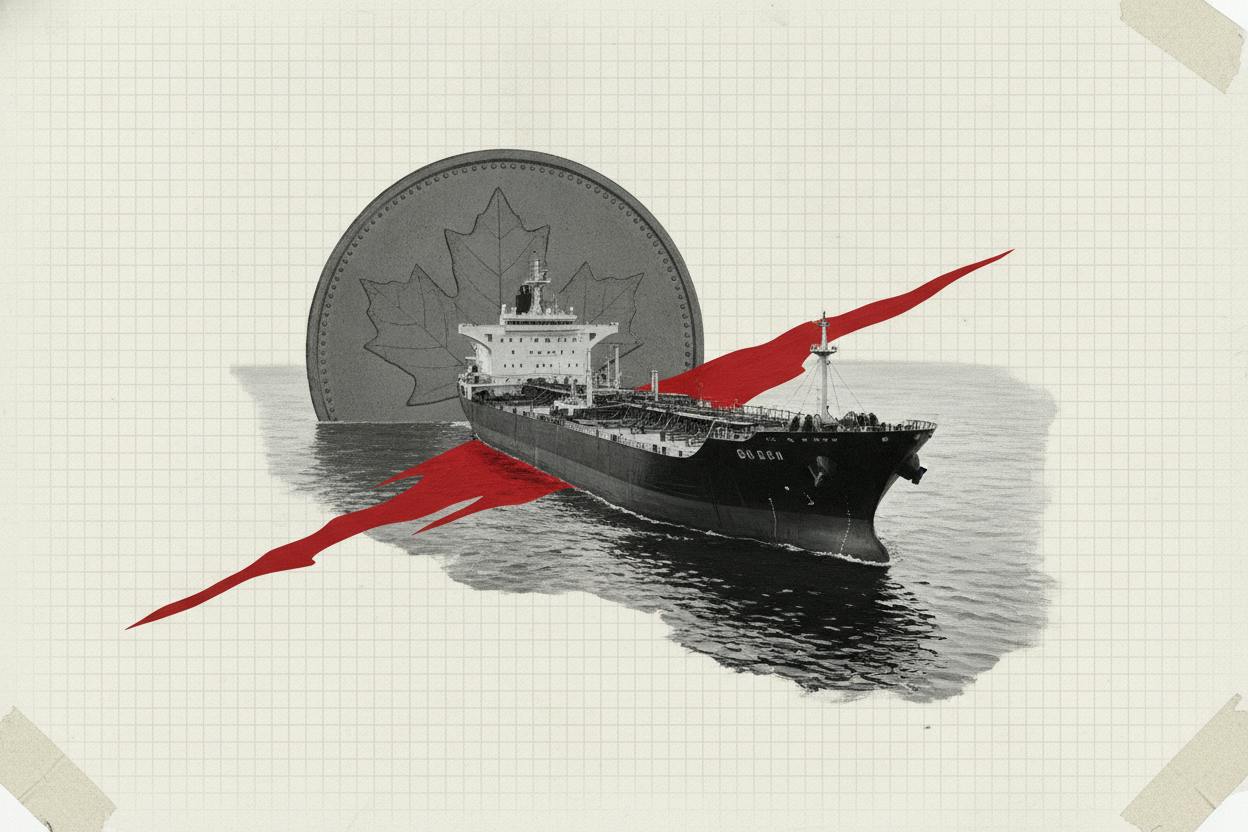
Oil prices climbed sharply on Friday after reports of an attack on a tanker in the Strait of Hormuz, the narrow waterway that carries a significant share of the world's crude exports. The incident injected a fresh geopolitical risk premium into the market, with traders bracing for possible supply disruptions.
West Texas Intermediate (WTI) crude for December delivery rose 2.9% to $104.91 a barrel, while December Brent, the international benchmark, gained 2.6% to $117.88. The moves came even as early reports from the UK Maritime Trade Operations indicated that key details of the attack remained unclear.
Why the Strait of Hormuz matters
The Strait of Hormuz is a narrow passage between the Persian Gulf and the Gulf of Oman, and it is one of the most strategically important chokepoints for global oil. A large portion of the world's crude exports, particularly from major producers like Saudi Arabia, Iraq, and the United Arab Emirates, passes through this route. Because of its importance, any disruption—whether from military conflict, sabotage, or accidents—can quickly affect global supply expectations.
When tensions rise in the region, traders often add a "risk premium" to oil prices. This premium reflects the increased chance that supply could be interrupted, even if no actual shortage has occurred yet. Friday's jump was a textbook example of that behavior: the market reacted to the news of the attack, even though the full picture was still emerging.
The attack also comes at a time when oil markets were already sensitive to supply concerns. Natural gas prices had slipped earlier in the week on milder weather forecasts, but crude remained supported by ongoing geopolitical risks and tight inventories.
What the move means for currencies
The oil price jump rippled into other markets, most notably the currency market. The US dollar fell to a six-week low against the Canadian dollar, slipping 0.3% to CA$1.3950. The Canadian dollar often tracks crude prices because oil is a major Canadian export. When oil prices rise, the outlook for Canada's export revenue improves, which can boost demand for the loonie.
For currency traders, the USD/CAD pair acts as a liquid and clean "oil-risk" gauge. When geopolitical tensions push oil prices higher, the pair tends to move quickly, as it did on Friday. Conversely, if the risk premium fades, the pair can reverse just as fast.
The move in the dollar also comes amid broader market expectations about interest rates. The dollar had already been under pressure as traders awaited key wage data and central bank signals. Friday's oil-driven slide added to that trend.
Gold didn't rally—what that tells us
Interestingly, not all classic safe havens rallied on Friday. Gold futures fell, which suggests that investors viewed this as an oil-specific shock rather than a broad flight from risk. In a typical risk-off environment, gold often rises as investors seek safety. The fact that it didn't indicates that the market is not panicking broadly, but rather repricing the specific risk to oil supplies.
This distinction matters for investors. If the attack had triggered a wider geopolitical crisis, we might have seen a more generalized move into safe-haven assets. Instead, the reaction was more contained, with oil and the Canadian dollar moving in tandem, while gold stayed subdued.
What it means for investors
For everyday investors, the immediate takeaway is that oil prices can be volatile when geopolitical events occur in key production regions. The risk premium added on Friday could persist if tensions remain high, or it could fade quickly if the situation calms down. It's important to watch for further developments, as the details of the attack are still unclear.
Higher oil prices can have broader economic effects. For consumers, they can mean higher gasoline and heating costs. For companies, they can squeeze profit margins, particularly in industries that rely heavily on energy. On the other hand, energy producers and countries that export oil, like Canada, can benefit from higher prices.
For investors with exposure to energy stocks, the jump in crude could be a positive sign. Chevron recently beat estimates as refining profits offset weaker oil prices, and a sustained rise in crude could support such companies. However, it's important to remember that oil prices are notoriously difficult to predict, and geopolitical events can reverse quickly.
The Canadian dollar's strength also has implications for investors with exposure to Canadian assets or cross-border investments. A stronger loonie can affect the returns on US-dollar-denominated investments for Canadian investors, and vice versa.
Finally, the oil price move could influence inflation expectations. If crude prices stay elevated, they can feed into higher inflation, which in turn affects how central banks set interest rates. Eurozone growth has beaten forecasts despite rising energy prices, but persistent oil spikes could still pose a challenge for policymakers worldwide.
As always, the key is to stay informed and not overreact to a single day's move. The situation in the Strait of Hormuz is fluid, and markets will be watching for any further developments that could affect supply.