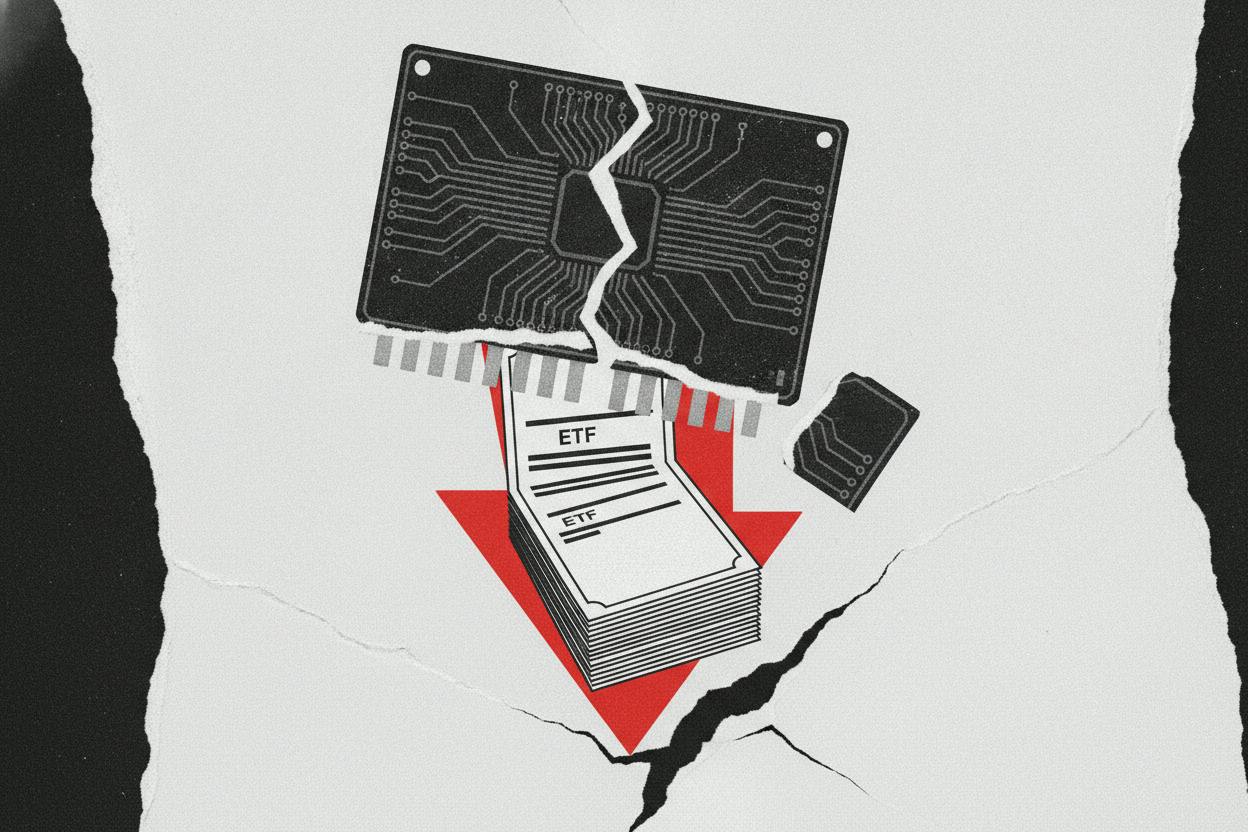
US stocks slipped on Friday as a gloomy forecast from chipmaker Intel rattled investors, even as energy giants ExxonMobil and Chevron delivered better-than-expected quarterly results on the back of rising oil prices. The divergence underscores how a single company's outlook can overshadow otherwise positive news elsewhere in the market.
Intel's guidance shock
Intel beat analyst estimates for third-quarter profit and roughly matched expectations on sales, but its fourth-quarter outlook fell well short of what Wall Street had anticipated. The company guided to adjusted earnings of $0.25 per share for the current quarter, far below the $0.45 analysts had penciled in. That gap sent Intel's shares sharply lower and weighed on broader tech sentiment, with the news also dragging down other chip stocks.
Earnings season isn't just about what a company did last quarter; it's about what it thinks it can do next. When a company's outlook resets expectations, analysts typically cut their forward profit estimates, and stock prices tend to follow because they're based on future cash flows, not past results. Intel's weak PC forecast, in particular, raised concerns about demand in a key market, and the ripple effect was felt across the semiconductor sector.
For a more detailed look at how Intel's forecast triggered a broader selloff in chip stocks, see our earlier coverage of the chip selloff.
Energy stocks shine
In contrast, the energy sector provided a steadier picture. ExxonMobil and Chevron both beat forecasts as oil prices rose, underscoring how a strong commodity backdrop can support results even when parts of tech are hitting speed bumps. Higher crude prices typically boost the revenue and profit of oil producers, and both companies benefited from that tailwind in the third quarter.
The strength in energy helped limit the damage in the broader market, but it wasn't enough to offset the drag from Intel and other tech names. Major indexes like the S&P 500 and the Nasdaq Composite are heavily weighted toward technology, so a sharp move in a big chipmaker can have an outsized impact on the overall market.
For more on how Exxon and Chevron performed, check out our story on their quarterly results.
What it means for investors
For everyday investors, this episode is a reminder that a single bellwether's outlook can overshadow good news elsewhere, especially when it changes the market's view of near-term growth. When a company like Intel guides below expectations, it often triggers a wave of estimate cuts across the industry, as analysts reassess their models for competitors and suppliers. That can lead to a broader repricing of tech stocks, even if the underlying fundamentals of other companies remain solid.
At the same time, the resilience of energy stocks highlights the importance of diversification. While tech may be facing headwinds, other sectors can still perform well, providing a buffer for portfolios that aren't overly concentrated in one area.
Investors should also keep an eye on how the market reacts in the coming days. If Intel's guidance leads to a sustained selloff in tech, it could weigh on the broader market, but if energy and other sectors continue to hold up, the impact may be limited. The key is to focus on the long-term fundamentals of your investments rather than reacting to short-term market noise.
For more context on how AI spending concerns have been affecting tech stocks, see our piece on AI spending fears.
Ultimately, this is a classic example of how earnings season can be a rollercoaster. One day, a company's blowout quarter can lift the market; the next, a weak forecast can send it tumbling. For investors, the takeaway is to stay informed, keep a diversified portfolio, and avoid making impulsive decisions based on a single day's headlines.