ExxonMobil and Chevron both beat profit expectations in the third quarter, and the surprise driver wasn't oil production—it was their refineries. According to Reuters, refining margins jumped after disruptions squeezed fuel-making capacity, turning gasoline and diesel into the main profit engine for both energy giants.
For everyday investors, the key takeaway isn't just that these companies had a strong quarter. It's what they did with the extra cash: they paid down debt rather than boosting dividends or accelerating share buybacks. That's a signal they're bracing for a business where profits can swing sharply with oil prices.
What's behind the refining boom?
A refinery's margin is essentially the gap between what it pays for crude oil and what it earns from selling gasoline and diesel. When outages or attacks take fuel-making capacity offline, that gap can widen quickly. Reuters said recent disruptions did exactly that, tightening fuel supplies and pushing margins higher.
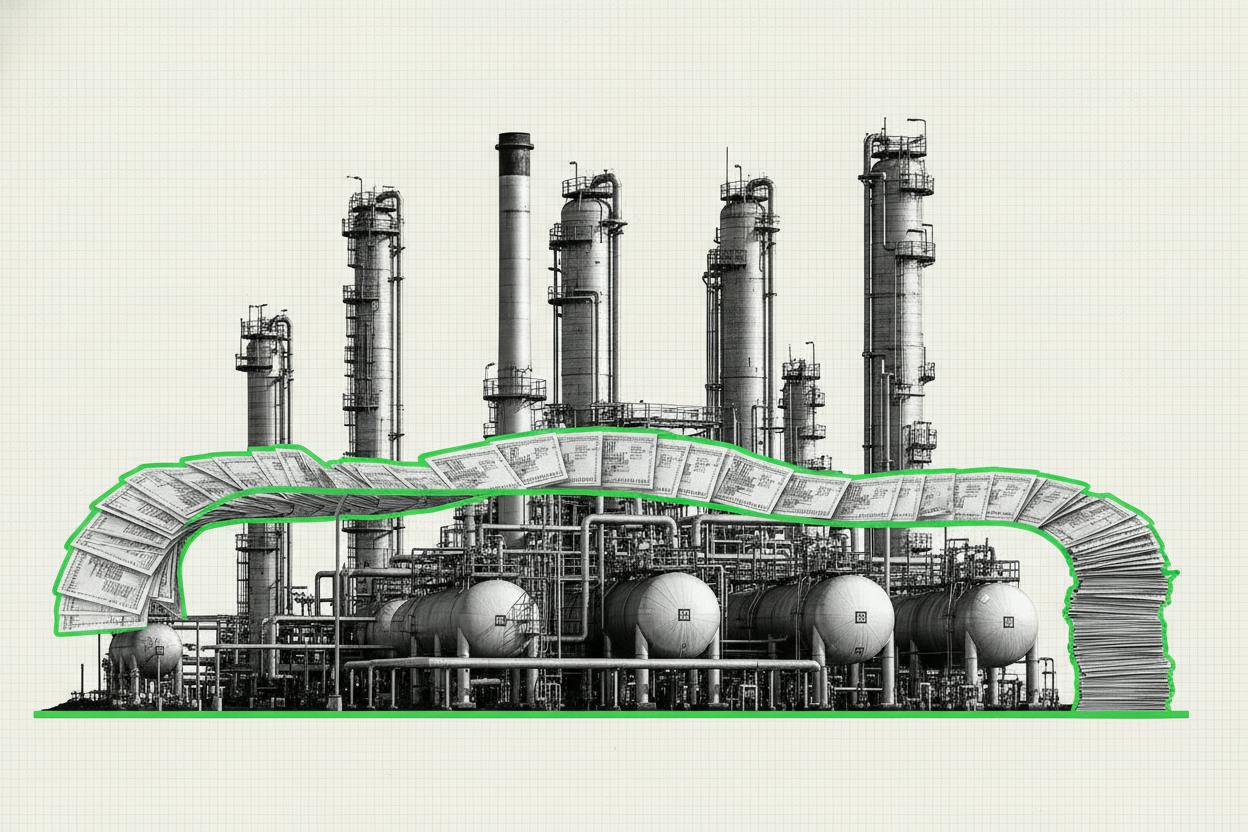
Both companies ran their U.S. refineries near full capacity to take advantage. Exxon even made more money from refining than from oil production for the first time in at least six years, while Chevron's downstream profit hit a similar high. This is a notable shift for companies that are often seen primarily as oil producers.
The refining strength wasn't just a one-off. Exxon and Chevron have been leaning on refining as fuel margins spiked, and that strategy paid off in the third quarter. The companies are also investing to keep their refineries competitive: Exxon is putting money into sites like Baytown, Texas, while Chevron is working on efficiency gains and a potential expansion at Pascagoula by the end of the decade.
Why debt reduction matters
Refining margins can jump and fade quickly, so investors often learn more from what companies do with the cash than from the cash itself. By paying down debt, Exxon and Chevron lower their interest costs and reduce the chance they'll need to pull back spending or payouts if energy prices cool.
Exxon cut its debt by $8 billion, while Chevron reduced its debt by nearly $14 billion. That's a significant deleveraging that could improve how credit investors price their bonds and how stock investors think about risk. A sturdier balance sheet tends to cushion the downswing of the cycle, making these companies more resilient in a downturn.
For investors, this is a more meaningful signal than one hot quarter. It suggests management is thinking long-term, not just chasing the latest windfall. Chevron's refining profits helped offset weaker oil prices, and the company's decision to pay down debt rather than return more cash to shareholders shows discipline.
What it means for investors
For everyday investors, the refining boom is a reminder that energy companies' profits can come from unexpected places. When oil prices are weak, refining can pick up the slack—and vice versa. That diversification can make these stocks less volatile than they might seem.
But it also highlights the cyclical nature of the business. Refining margins are notoriously volatile, and what goes up can come down. The companies' focus on debt reduction suggests they're aware of that, and it could make their dividends and buybacks more sustainable over time.
Investors should also watch what happens next. If fuel supplies recover and margins normalize, refining profits could fade. But the balance sheet improvements will remain, providing a buffer against future shocks. Exxon's refining boom fueled its Q3 profit beat, and the company's decision to invest in its refineries suggests it sees value in the business long-term.
For now, the message from Exxon and Chevron is clear: they're using the windfall to strengthen their financial foundations, not to chase short-term gains. That's a prudent approach that could pay off for investors in the years ahead.