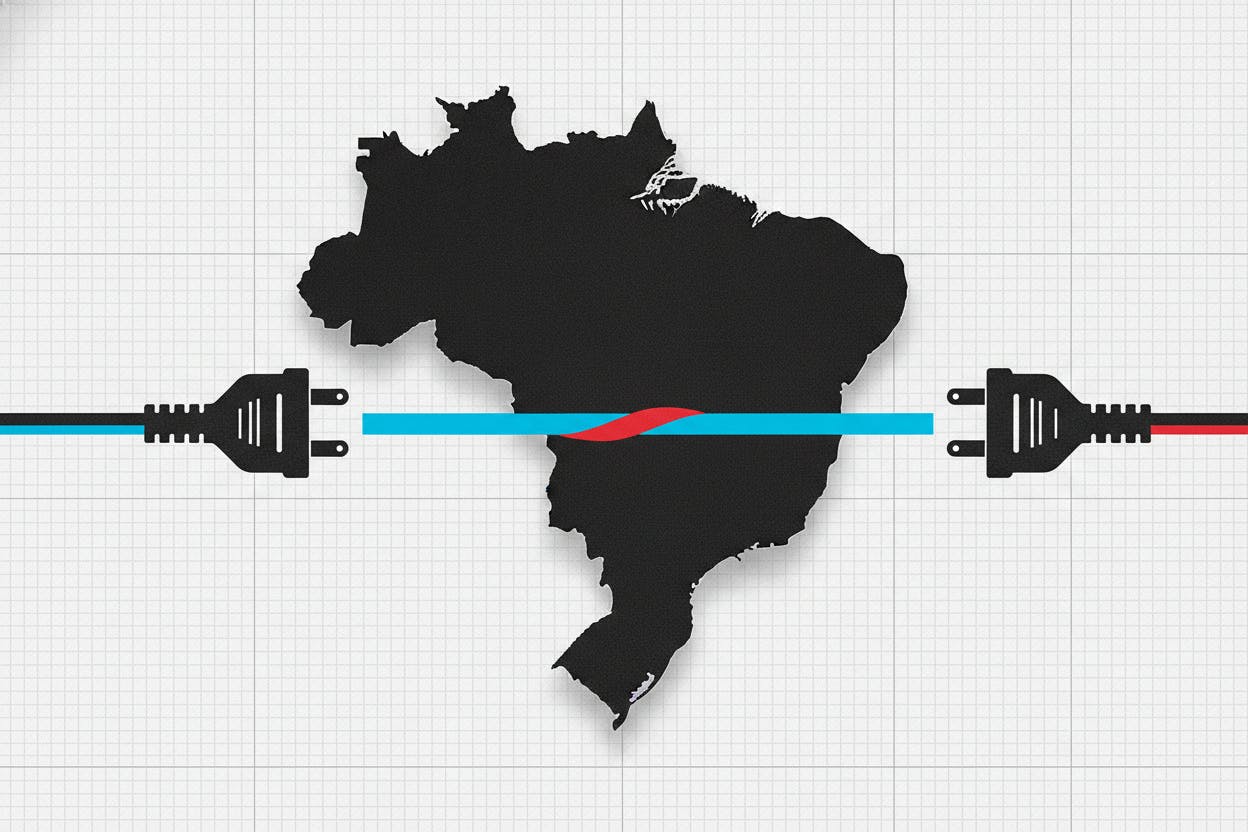
Brazil is making a big bet on artificial intelligence, committing 2.3 billion reais (about $444 million) to build two new supercomputers. The projects are notable not just for their size, but for how they split the work between Chinese and American technology.
One supercomputer, backed by roughly 1.3 billion reais, will be built in Rio de Janeiro with Chinese firms Huawei and iFlytek. The other, funded through a tender worth about 1 billion reais, is expected to go to a system in Rio Grande do Norte that officials believe will rely on Nvidia hardware. That machine is slated to be running by the end of next year.
Why Brazil is building two supercomputers
The government says the investments are about more than just computing power. A central goal is what officials call “data sovereignty” – the idea that sensitive data and the infrastructure used to train AI models should stay under local control, rather than being dependent on foreign companies or governments.
By working with both Huawei and Nvidia, Brazil is trying to keep a foot in both camps. That’s a delicate balancing act, especially as the US and China compete fiercely over advanced chips and AI technology. For Brazil, the strategy appears to be: don’t put all your eggs in one basket.
Huawei is already a major player in Brazil’s telecom infrastructure, so its involvement in AI computing is a natural extension. iFlytek, a Chinese AI company known for speech recognition, adds software expertise. On the other side, Nvidia is the world’s dominant maker of AI chips, and its hardware is the industry standard for training large models.
What this means for investors
For everyday investors, this is a reminder that AI spending is a global story, not just a US one. Governments around the world are pouring money into AI infrastructure, and that demand is a key driver for companies like Nvidia. The Brazilian tender that favors Nvidia could be another small but meaningful order for the chipmaker.
At the same time, the Huawei and iFlytek project shows that Chinese tech firms are still winning contracts abroad, despite US export controls and political pressure. That could matter for investors in Chinese tech stocks or funds with exposure to those markets.
But it’s also worth noting that Brazil’s investment is modest compared to the billions being spent by US tech giants. For context, Meta's Azure bill tops hundreds of millions as AI spending builds, highlighting how much private companies are outspending governments.
The bigger picture is that AI infrastructure is becoming a strategic asset, like roads or power grids. Countries that want to develop their own AI capabilities need the computing power to do it. Brazil’s move is part of a broader trend of governments trying to build domestic AI capacity, even as they rely on foreign technology.
Risks and challenges
Building supercomputers is not without risks. Projects like this often face delays and cost overruns. The Rio Grande do Norte system is expected to be operational by the end of next year, but that timeline could slip. And while the tender is expected to favor Nvidia, the final award is not yet made.
There’s also the question of how these machines will be used. Brazil’s government says it wants to support research and development, but it hasn’t detailed specific applications. That leaves some uncertainty about whether the investment will deliver a strong return.
For investors, the key takeaway is that AI is not just a US or Chinese story. Emerging markets like Brazil are also making big bets, and that could create opportunities for companies that supply the hardware and software. But it also means more competition and more complexity in the global AI landscape.
As software earnings beats widen in Q2, but AI splits sector into winners and laggards, the AI boom is already reshaping which companies thrive. Brazil’s investment is another sign that the trend is spreading beyond the usual tech hubs.
For now, investors should watch how the tenders progress and whether the projects stay on budget. If they do, Brazil could become a more significant player in AI, and that could have ripple effects for global tech supply chains.