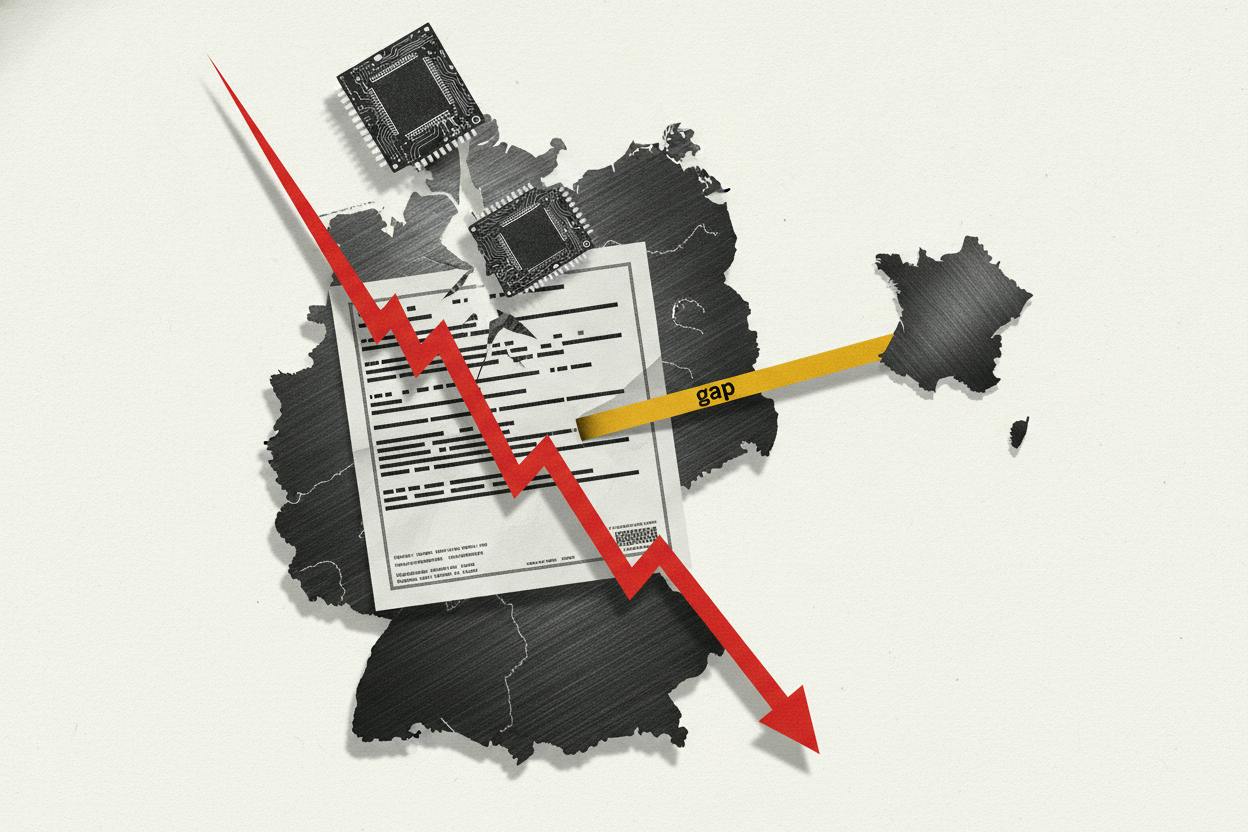
Germany's 10-year government bond yield, a benchmark for the eurozone, slipped to 3.22% on Tuesday, its lowest level since August 26. The move came as a renewed wobble in global technology stocks sent investors scrambling for safer assets, and as traders dialed back bets on another interest rate hike from the European Central Bank next month.
The decline puts Bund yields on track for their biggest weekly drop since late September, underscoring how quickly market sentiment has shifted. When investors get nervous, they often move money out of riskier assets like stocks and into government bonds, which pushes bond prices up and yields down. That classic flight-to-safety dynamic is playing out across global markets, with similar moves seen in Japanese bonds and other major government debt markets.
Why tech jitters are spilling into Europe
The trigger for the latest bout of risk aversion was a sharp selloff in US technology shares, which has rippled through global markets. Concerns about stretched valuations and the sustainability of the artificial intelligence spending boom have made investors more cautious. The mood has been particularly sour in Asia, where tech stocks have slid as the AI trade turns political and risky, and Chinese and Hong Kong AI stocks have taken a hit following the Nasdaq's worst day since April.
For European investors, the tech selloff is a reminder that global markets are interconnected. A drop in US tech shares can quickly drag down European equities and push investors toward the relative safety of government bonds. The European stock market fell 1.6% as AI spending doubts spread, further fueling demand for Bunds.
ECB rate hike bets trimmed
At the same time, traders have been paring back expectations for the European Central Bank's next move. Pricing in euro overnight-indexed swaps, which reflect market expectations for future interest rates, now suggests a lower probability of a rate hike at the ECB's next meeting in December. This shift is partly a response to the broader risk-off mood and partly a reflection of growing concerns about economic growth in the eurozone.
Lower expectations for rate hikes tend to push bond yields down, because investors anticipate that central banks will keep borrowing costs lower for longer. That dynamic is adding to the downward pressure on Bund yields, making German government debt even more attractive to investors seeking a safe place to park their money.
What it means for investors
For everyday investors, the slide in Bund yields is a signal that market sentiment has turned cautious. When yields fall, it typically means bond prices are rising, which can provide a cushion for portfolios that hold government bonds. But it also suggests that investors are worried about the outlook for stocks, particularly in the tech sector.
If you hold bond funds or ETFs that track European government debt, the recent yield decline could mean a short-term boost to their value. However, it's important to remember that yields can move quickly in either direction, and a reversal in risk sentiment could send them back up.
For stock investors, the move is a reminder that the AI-driven rally in tech shares is not without risks. When sentiment turns, even the most popular trades can unwind quickly. Diversification across asset classes and regions remains a key strategy for weathering these swings.
Looking ahead, investors will be watching whether the tech selloff deepens or fades, and how the ECB signals its intentions for December. Any hints about the pace of future rate hikes could move Bund yields further. For now, the bond market is clearly telling a story of caution, and it's a story that investors should pay attention to.