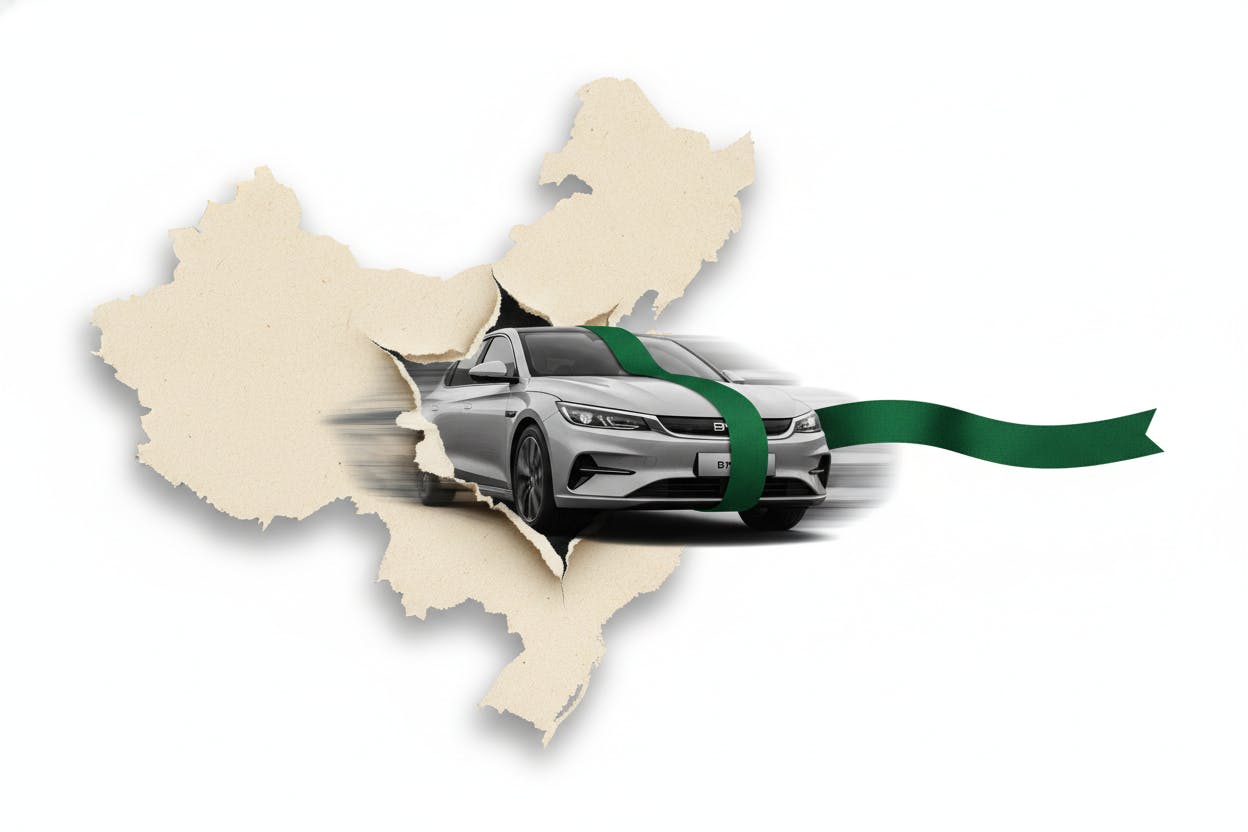
Chinese electric vehicle giant BYD reported another month of solid sales growth in August, but the story this time was not its home market. The company sold 440,293 vehicles last month, up 17.8% from a year earlier, according to Reuters calculations. The real standout was exports: overseas shipments jumped 134.5% to 189,466 vehicles, helping offset softer demand in China.
This marks the fourth consecutive month of year-on-year sales growth for BYD, but the composition of that growth is shifting. While China remains BYD's largest market, the domestic EV sector has become increasingly crowded, with intense price competition forcing discounts that can squeeze profit margins even when volumes rise. In contrast, overseas markets like Brazil are providing a fresh tailwind, as demand for affordable electric vehicles grows and BYD expands its global footprint.
Why exports matter now
The export surge is not just a nice-to-have; it's becoming a critical part of BYD's growth strategy. In China, the EV market is maturing, and growth rates are slowing. Government subsidies have been scaled back, and a wave of new entrants—from traditional automakers to tech startups—has intensified competition. This has led to a price war that benefits consumers but pressures manufacturers' bottom lines.
By contrast, many overseas markets are still in the early stages of EV adoption. Brazil, for example, has seen a rapid increase in EV sales as the government offers incentives and consumers look for more fuel-efficient options. BYD has been aggressive in expanding its presence in such markets, setting up local assembly plants and distribution networks. This strategy allows the company to tap into new demand while reducing its reliance on the fiercely competitive Chinese market.
The export growth also aligns with broader trends in global manufacturing. Recent data from other Asian economies, such as South Korea's factory sector, show that export orders are picking up, suggesting that global demand for manufactured goods, including vehicles, remains resilient. Similarly, China's factory activity has been supported by a surge in export orders, which bodes well for companies like BYD that are increasingly looking abroad.
What it means for investors
For everyday investors, BYD's August numbers offer a few takeaways. First, the company's ability to grow sales despite a sluggish domestic market is a positive sign. It shows that BYD is not solely dependent on China's EV boom, which could be a key differentiator as competition intensifies at home.
Second, the export surge suggests that BYD's global expansion is gaining traction. If the company can maintain this momentum, it could help offset any potential slowdown in China and support long-term revenue growth. However, investors should also be aware of the risks. Expanding into new markets comes with challenges, including regulatory hurdles, logistics costs, and local competition. Moreover, the global economic environment remains uncertain, with factors like inflation and supply chain disruptions potentially affecting demand.
It's also worth noting that while sales growth is encouraging, profitability is another matter. The price war in China could continue to pressure margins, and the costs of building overseas operations may weigh on earnings in the short term. Investors should watch BYD's upcoming earnings reports for signs of how these dynamics are playing out.
Broader context
BYD's performance is part of a larger story about the global shift to electric vehicles. As more countries set ambitious climate targets and consumers become more environmentally conscious, the demand for EVs is expected to keep rising. This creates opportunities for companies like BYD that have established a strong position in the market.
However, the EV industry is also facing headwinds. Rising interest rates, as hinted by stronger jobs data that could boost Fed hike odds, may make financing more expensive for consumers, potentially dampening demand. Additionally, supply chain issues and raw material costs remain a concern for the entire sector.
For now, BYD's export engine is proving to be a reliable driver of growth. Whether it can sustain this pace will depend on how well the company navigates the complexities of global markets and maintains its competitive edge. As always, investors should keep an eye on the broader economic indicators and company-specific developments to make informed decisions.