South Korea's manufacturing sector continued to expand in August, but the pace of growth eased slightly, according to a closely watched survey. The S&P Global purchasing managers' index (PMI) slipped to 52.3 from 53.1 in July, signaling that factories are still growing, just more slowly.
A PMI reading above 50 indicates expansion, while below 50 points to contraction. So August's figure still points to a healthy manufacturing economy, even as the momentum cools.
Export orders surge
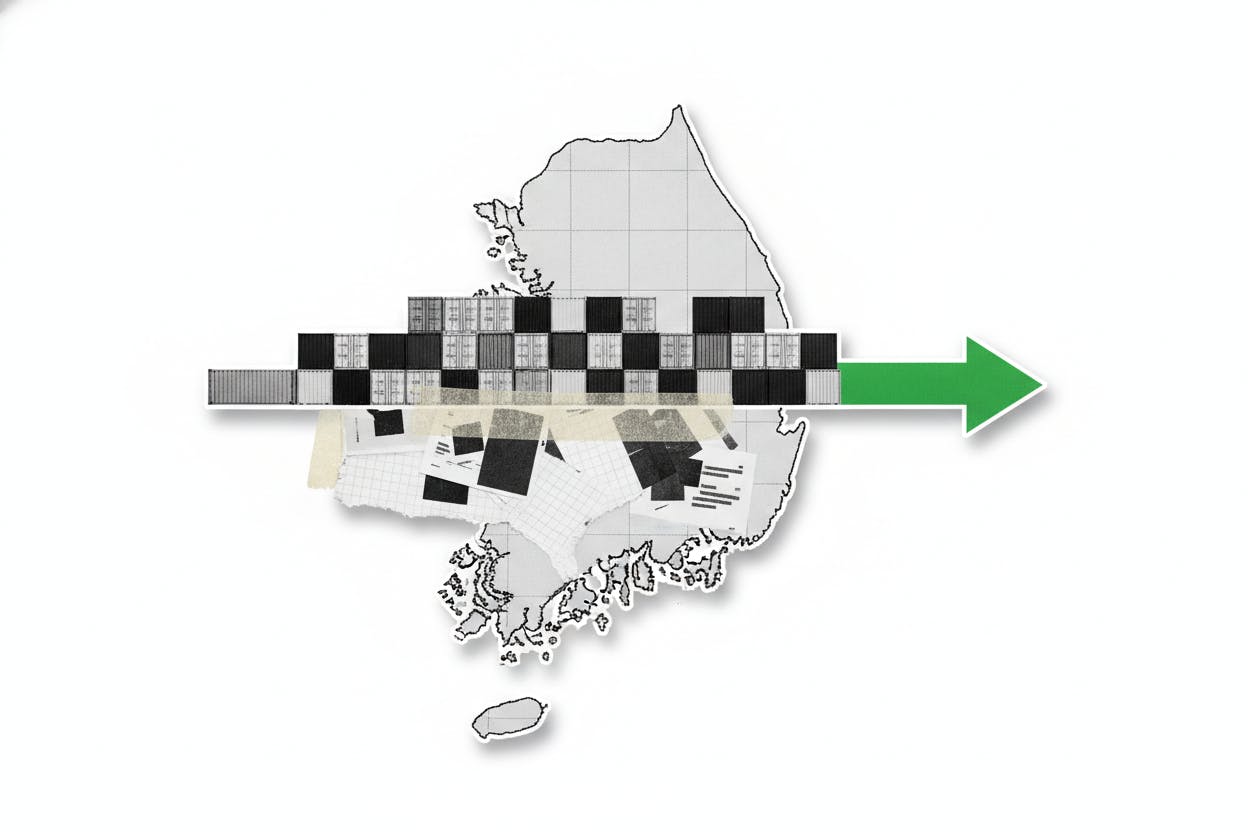
The slowdown in the headline number masked a bright spot: export orders. New export business grew at its fastest pace since November 2020, a sign that overseas demand for South Korean goods remains robust. Overall new orders also rose for a ninth consecutive month, driven largely by foreign customers.
This is a positive signal for an economy that relies heavily on exports of semiconductors, electronics, ships, and automobiles. Strong export orders suggest that global demand is holding up, even as some major economies show signs of slowing.
Supply chain strains persist
The main drag on the PMI came from the supply side. While output continued to rise, firms reported material shortages and transportation disruptions that made it harder to complete orders. These bottlenecks are a familiar theme in the post-pandemic era, but they remain a constraint on growth.
For investors, the takeaway is that South Korean manufacturers are still busy, but they are not immune to the global supply chain challenges that have plagued many industries. Companies in this position often see their margins squeezed as they absorb higher costs or pass them on to customers.
What it means for investors
For everyday investors, the PMI is a useful gauge of economic health. A reading above 50 suggests that the manufacturing sector is expanding, which typically supports corporate earnings and, by extension, stock prices. The surge in export orders is particularly encouraging for companies with significant overseas sales.
However, the slowdown in the headline number and the persistent supply chain issues are worth watching. If these problems worsen, they could weigh on future output and profitability. Investors with exposure to South Korean equities or funds that track the region should keep an eye on upcoming PMI releases and any commentary from companies about supply chain conditions.
The data also comes at a time when global markets are focused on inflation and central bank policy. In the United States, traders are awaiting the August jobs report for clues about the Federal Reserve's next move, as the dollar slips and rate expectations shift. A stronger-than-expected jobs report could increase the odds of another rate hike, which would have ripple effects for emerging markets like South Korea.
Elsewhere, German inflation came in at 2.9% in August, missing forecasts, which could influence the European Central Bank's policy path. And foreign investors returned to Indian stocks with a $3.1 billion inflow in August, a sign of renewed appetite for Asian markets.
For South Korea, the export order surge is a bright spot, but the slower overall PMI suggests that the recovery is not without friction. Investors should watch whether the supply chain issues ease in the coming months, as that could determine whether the manufacturing sector can sustain its growth.
In the meantime, the data reinforces the view that South Korea's economy is still expanding, even if the pace is moderating. For those with a long-term perspective, that is generally a positive backdrop for equities, though short-term volatility is always possible.