Germany's inflation rate edged higher in August, but the increase was smaller than economists had expected, leaving the European Central Bank (ECB) with a tricky decision ahead of its September meeting.
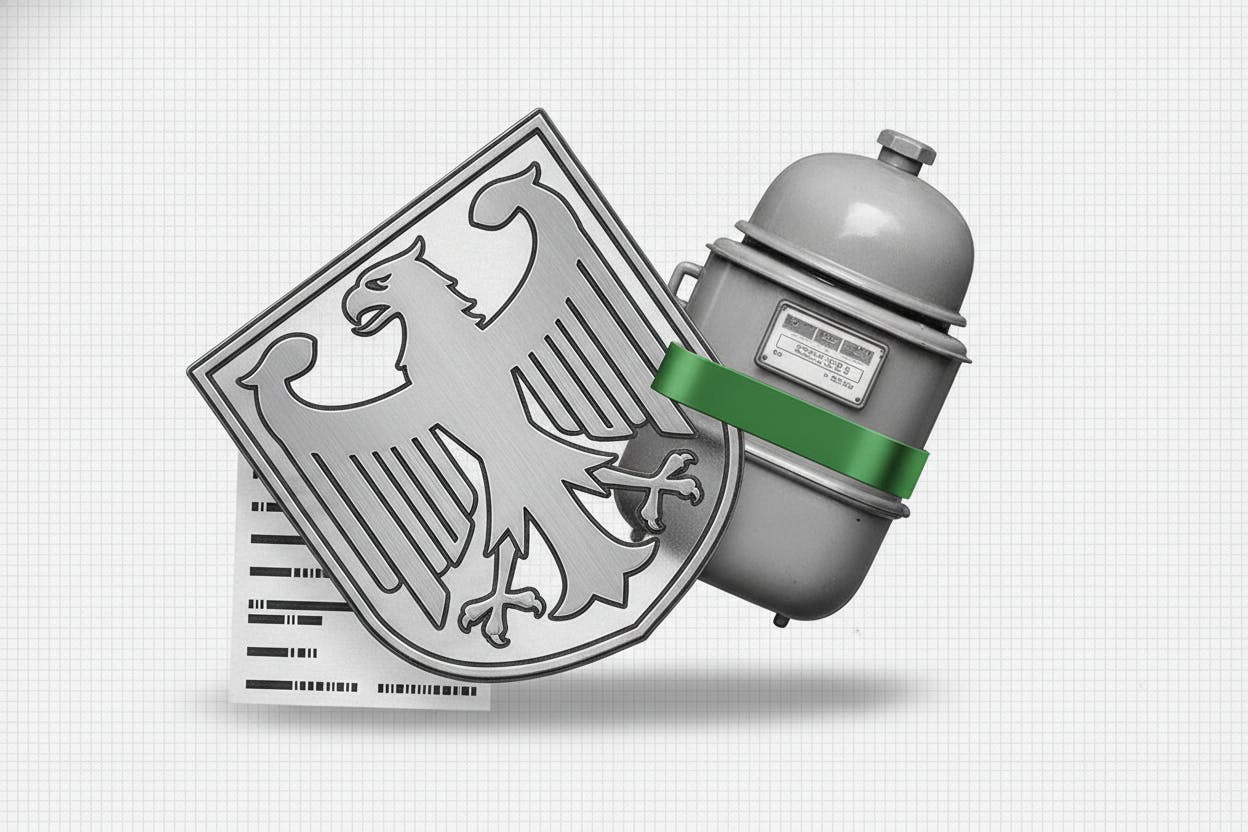
The country's statistics office reported that consumer prices rose 2.9% in August compared with the same month last year, up slightly from July's reading but below the 3% that analysts had forecast. The main driver was energy, which jumped 10.5% year on year, reflecting higher fuel and heating costs.
Core inflation tells a different story
Beneath the headline number, the picture was more nuanced. So-called core inflation, which strips out volatile food and energy prices to reveal the underlying trend, was notably softer. This suggests that the recent surge in energy costs has not yet spread broadly through the economy, a key concern for central bankers who worry about inflation becoming entrenched.
The data comes at a critical time for the ECB, which is weighing whether to raise interest rates again in September. The bank has been tightening policy to bring inflation back to its 2% target, but with the eurozone economy showing signs of weakness, further hikes are controversial.
What it means for investors
For everyday investors, the key takeaway is that inflation remains above the ECB's target, but the miss on forecasts could give the central bank room to pause. If the ECB decides to hold rates steady, that could be positive for bond prices and for interest-rate-sensitive sectors like real estate and utilities. On the other hand, if it hikes again, borrowing costs for consumers and businesses will rise, potentially weighing on economic growth.
The German data also feeds into a broader European picture. Poland's hotter August inflation has cooled hopes for rate cuts there, while Asia's data-heavy week is testing growth and inflation trends globally. Meanwhile, investors are also watching the US, where the August jobs report will provide clues about the Federal Reserve's next move.
For now, the market's focus is squarely on the ECB's September decision. The German inflation reading, while not as hot as feared, still shows that energy prices are a persistent source of upward pressure. That could keep the central bank on edge, even if it chooses to wait before acting again.
In the meantime, investors should brace for continued volatility in European markets as they digest the latest inflation data and anticipate the ECB's next move. The path of inflation will remain a key driver of asset prices in the coming weeks.