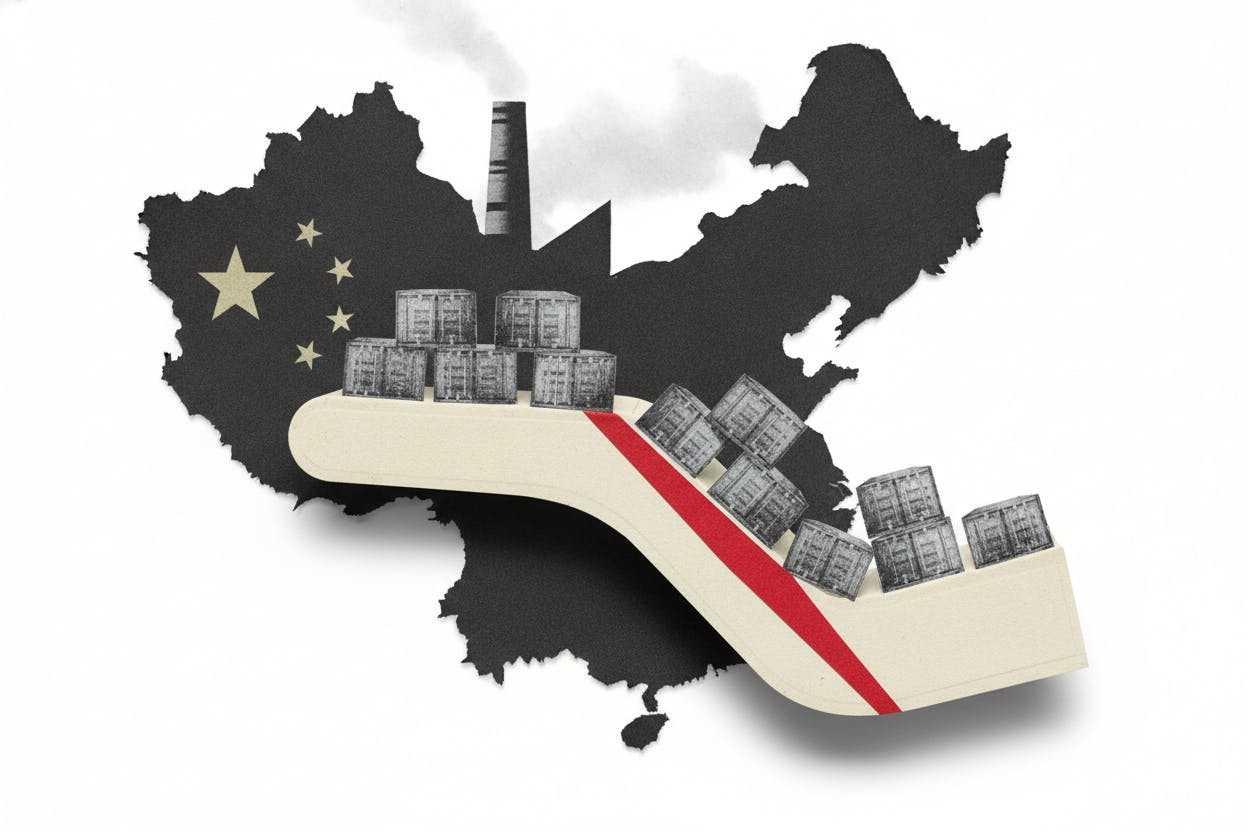
China's manufacturing sector showed renewed vigor in August, according to a closely watched private survey. The S&P Global-compiled China General Manufacturing Purchasing Managers' Index (PMI) rose to 51.5, up from 50.9 in July, signaling a faster pace of expansion. The reading, reported by Reuters, marks the second consecutive month above the 50 threshold that separates growth from contraction.
The pickup was driven by stronger production and a notable jump in new export orders. Output grew at its fastest pace in three months, while new export business expanded at the quickest rate in six months, suggesting that overseas demand is increasingly supporting Chinese factories. This is a positive sign for the world's second-largest economy, which has been grappling with a sluggish property sector and weak domestic consumption.
What's behind the numbers?
The PMI is a survey-based indicator that tracks business conditions across manufacturing firms. A reading above 50 indicates that the sector is expanding, while a reading below 50 points to contraction. The August figure of 51.5 is comfortably in expansion territory, and the acceleration from July suggests that momentum is building.
However, the survey also revealed some less encouraging trends. Firms reported cutting prices, a sign that competition remains intense and pricing power is weak. Additionally, business confidence cooled, with manufacturers expressing caution about the outlook. This mix of stronger activity but softer sentiment paints a nuanced picture: factories are busy now, but they may not expect the pace to last.
The improvement in export orders is particularly noteworthy, as it comes amid a global backdrop of uneven demand. While some regions, like South Korea, have seen factory growth cool despite surging export orders, China's export engine appears to be firing on more cylinders. This divergence highlights the varying fortunes of manufacturing hubs around the world.
Why it matters for investors
For everyday investors, China's factory activity is a bellwether for global growth. China is a major consumer of commodities, a key link in global supply chains, and a significant market for multinational companies. When Chinese factories hum, it often lifts demand for raw materials and components from other countries, benefiting companies worldwide.
The rise in the PMI could be a modest positive for global equities, particularly for sectors tied to industrials, materials, and technology. However, the cooling confidence and price cuts suggest that the recovery is not without challenges. Investors should watch whether this momentum can be sustained in the coming months, especially as traders await key economic data that could influence central bank policies.
It's also worth noting that China's manufacturing sector has faced headwinds from new home-sales rules that have hit property developers hard. The property market is a major driver of domestic demand, and its weakness could eventually weigh on factory orders. The PMI's improvement, while welcome, may not fully offset these structural concerns.
What to watch next
Investors will be looking for confirmation that the August uptick is not a one-off. Key indicators to monitor include China's official manufacturing PMI, which is released by the government and often differs from the private survey, as well as trade data that will show whether the export surge is translating into actual shipments.
Global investors are also keeping an eye on inflation trends and jobs data that could shape the Federal Reserve's next moves. A stronger global economy, supported by resilient manufacturing, could give central banks more room to keep rates higher for longer, which has implications for borrowing costs and asset prices.
For now, the August PMI offers a glimmer of optimism for China's factories, but the road ahead remains uncertain. As always, diversification and a long-term perspective are key for investors navigating these crosscurrents.