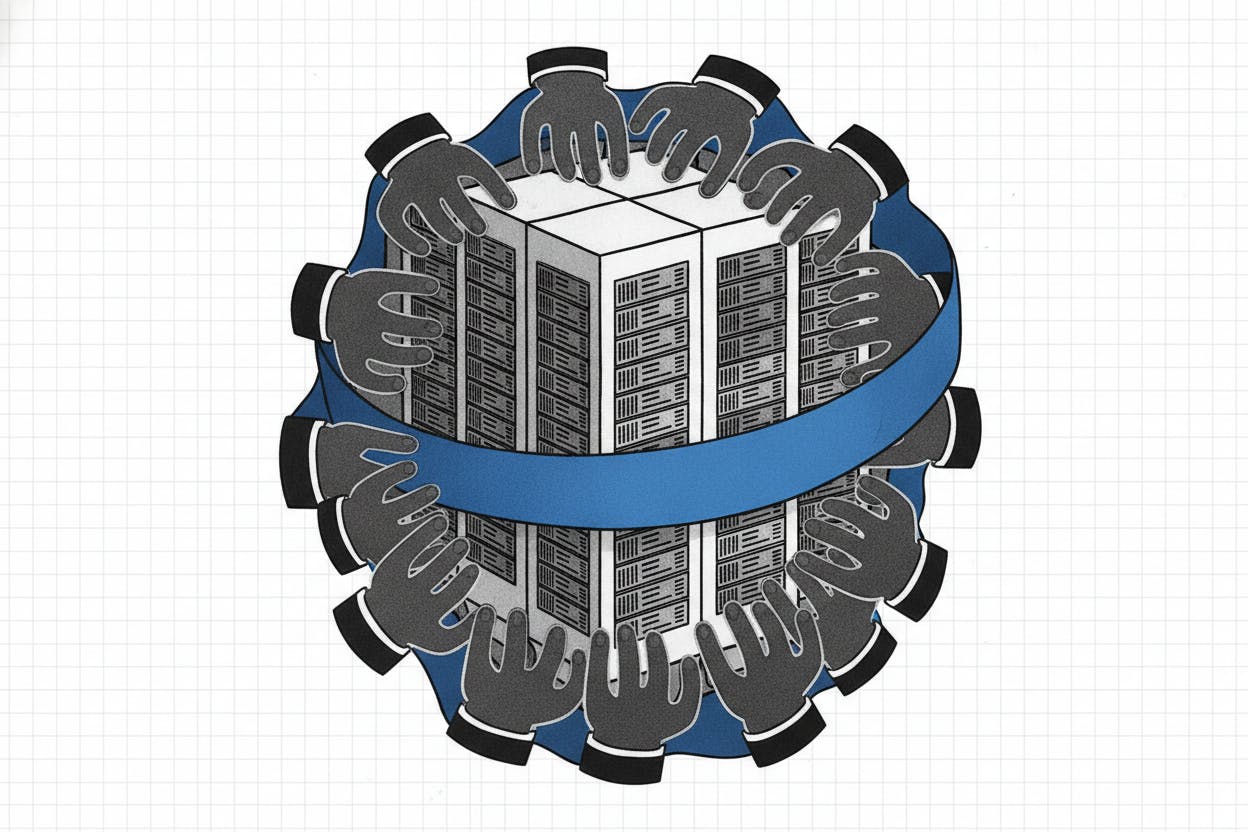
ByteDance, the parent company of TikTok, is raising a $20 billion syndicated loan, and the response from lenders has been overwhelming. According to Bloomberg, banks have already submitted more than $30 billion in orders—well above the amount being raised. The financing will help fund the company's aggressive expansion into data centers and artificial intelligence, with spending expected to reach as much as $70 billion this year.
What is a syndicated loan?
A syndicated loan is a large loan provided by a group of lenders—often banks—that work together to spread the risk. For a company like ByteDance, which is not publicly traded, such loans are a key way to raise capital without going to the stock market. The fact that lenders are oversubscribing by 50% signals strong confidence in the company's financial health and growth prospects.
This isn't just about ByteDance. It reflects a broader trend: tech giants are pouring billions into AI infrastructure. Companies like Microsoft, Amazon, and Google have all announced massive capital expenditure plans for data centers. ByteDance is joining that race, and its spending plans are among the most aggressive relative to its size.
Why the huge AI spending?
ByteDance's core business—TikTok and its Chinese counterpart Douyin—relies heavily on recommendation algorithms and content delivery. But the company is also investing in generative AI, which requires enormous computing power. Training and running large language models demands thousands of specialized chips and vast data centers.
The $70 billion figure for this year's data center and AI spending is a staggering number, especially for a private company. To put it in perspective, that's more than many countries' entire tech budgets. It shows that ByteDance is betting its future on AI, not just as a feature but as a core part of its operations.
This spending spree is part of a wider wave. Other tech firms are also raising debt or equity to fund AI initiatives. For instance, Anthropic's revenue run rate has hit $65 billion as its IPO plans take shape, and Alibaba's Qwen AI has hit 3 billion downloads, showing how quickly AI adoption is growing. Even consumer-focused companies are getting in on the act, like Don Quijote owner PPIH, which posted record profit and is betting on AI.
What does this mean for investors?
For everyday investors, this news is a reminder that the AI boom is not just about Nvidia and a few big tech names. It's a capital-intensive race that involves many players, including private ones like ByteDance. The oversubscription of the loan suggests that lenders see ByteDance as a solid credit risk, which could bode well for its future valuation if it ever decides to go public.
However, there are risks. Heavy spending on AI infrastructure may not pay off immediately. If the returns on these investments are slower than expected, companies like ByteDance could face pressure on their cash flows. For investors in tech stocks, it's worth watching how these spending plans translate into revenue growth.
Also, the loan market is a barometer for broader credit conditions. When a company can raise $20 billion easily, it suggests that credit is still available and that lenders are willing to take on risk. That's a positive sign for the economy, though it also raises questions about whether we're in a credit bubble.
What to watch next
Investors should keep an eye on ByteDance's next moves. The company has been rumored to be considering an IPO for its TikTok business, though regulatory hurdles remain. If the loan goes through smoothly, it could strengthen ByteDance's balance sheet and make a future listing more attractive.
Also, watch how other tech companies respond. If ByteDance's spending spree forces competitors to match, it could lead to a surge in AI-related capital expenditures across the sector. That would be a tailwind for chipmakers, data center operators, and other suppliers, but it could also squeeze profit margins at the companies doing the spending.
For now, the loan's oversubscription is a vote of confidence in ByteDance's strategy. But as with any big bet, the proof will be in the execution. Investors should stay informed about how these AI investments are performing, not just for ByteDance but for the entire tech sector.