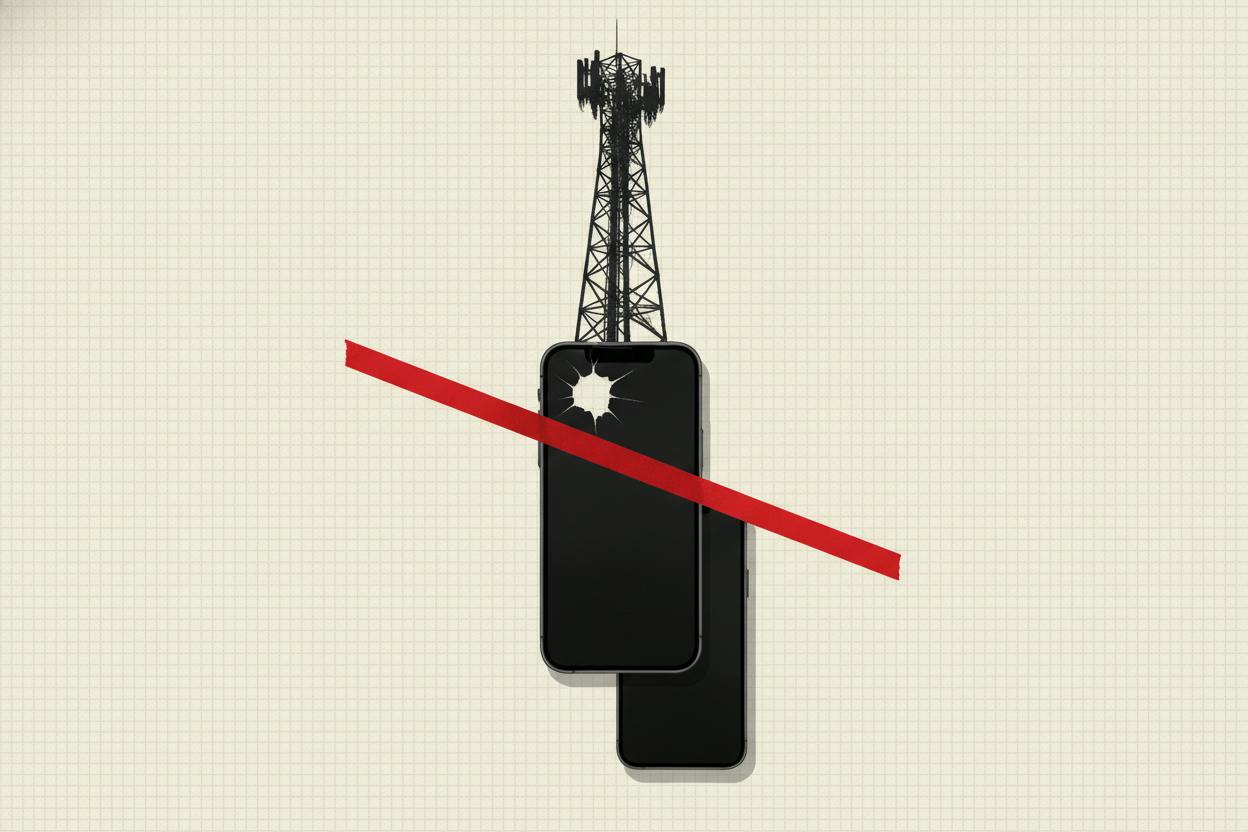
Apple has confirmed that a bug is responsible for knocking some AT&T customers offline after they upgraded to the iPhone 18 Pro Max. In a statement reported by multiple outlets on Friday, the company said a “small number” of affected users will need to swap their devices, even after installing a carrier settings update and the latest iOS update.
The issue appears to be tied to the device's cellular hardware or firmware, rather than a network problem. AT&T customers who upgraded to the new flagship model reportedly lost cellular service entirely, leaving them unable to make calls, send texts, or use mobile data. While Apple and AT&T have pushed software fixes, those updates have not resolved the problem for everyone, prompting the replacement program.
What went wrong?
According to the brief, the bug knocked AT&T customers offline, and Apple says affected users will have to swap devices despite a carrier settings and iOS update. This suggests the problem is not something that can be fixed with a simple software patch. In such cases, hardware defects—like a faulty modem or antenna component—are often the culprit. Apple's decision to recommend replacements indicates that the issue is likely physical, not just a software glitch.
For context, carrier settings updates are small files that adjust network settings on iPhones, often used to fix connectivity issues. iOS updates, meanwhile, are the main software releases that can address bugs and improve performance. When both fail to restore service, a hardware fault becomes the most plausible explanation.
Apple has not disclosed how many devices are affected, only calling it a “small number.” The company has not yet announced a formal recall or a public replacement program, but affected customers are reportedly being directed to Apple Stores or authorized service providers for a swap.
What it means for investors
For everyday investors, this news is a reminder that even the most anticipated product launches can hit snags. The iPhone 18 Pro Max is a premium device, and any hardware issue that requires replacements could have a modest financial impact on Apple. However, the scale appears limited, and Apple has a history of handling such issues quietly, often with minimal long-term effect on its stock.
Investors should watch for a few things in the coming weeks. First, whether Apple expands the replacement program to more units or issues a formal recall—that would signal a larger problem. Second, any impact on iPhone sales momentum. The iPhone 18 Pro Max has seen rising wait times, which some analysts interpret as a sign of stronger demand. A hardware bug could temper that enthusiasm, but if it's truly limited to a small batch, the effect on sales is likely to be minimal.
Apple's stock has historically been resilient to such issues. In the past, similar problems—like the iPhone 4's antenna issue or the iPhone 6's bending controversy—caused short-term headlines but did not derail the company's long-term trajectory. Investors who focus on the bigger picture—Apple's services revenue, its growing ecosystem, and its push into AI—may see this as a minor blip.
That said, the timing is notable. Apple is preparing to launch a smart home hub later this year, and its AI server push has been lifting chip stocks. Any negative press around the iPhone 18 Pro Max could distract from those initiatives, but the company has weathered similar storms before.
What AT&T customers should do
If you're an AT&T customer who recently upgraded to an iPhone 18 Pro Max and are experiencing cellular issues, Apple advises contacting Apple Support or visiting an Apple Store. The company is reportedly replacing affected devices at no charge. It's also worth checking for any carrier settings updates and the latest iOS version, as those may resolve the issue for some users.
For investors, the key takeaway is to monitor the situation for any signs of escalation. If Apple announces a broader replacement program or if the issue spreads to other carriers, that could be a more serious concern. But for now, the problem appears contained, and the financial impact is likely to be negligible for a company of Apple's size.
In the meantime, Apple continues to expand its services and hardware ecosystem. The company recently launched Apple Pay in India, a move that could open up a massive new market. And its Mac Mini and Mac Studio are being pitched as cost-effective AI workhorses. These developments, along with the iPhone's steady demand, are what investors should keep an eye on, rather than a small batch of faulty devices.