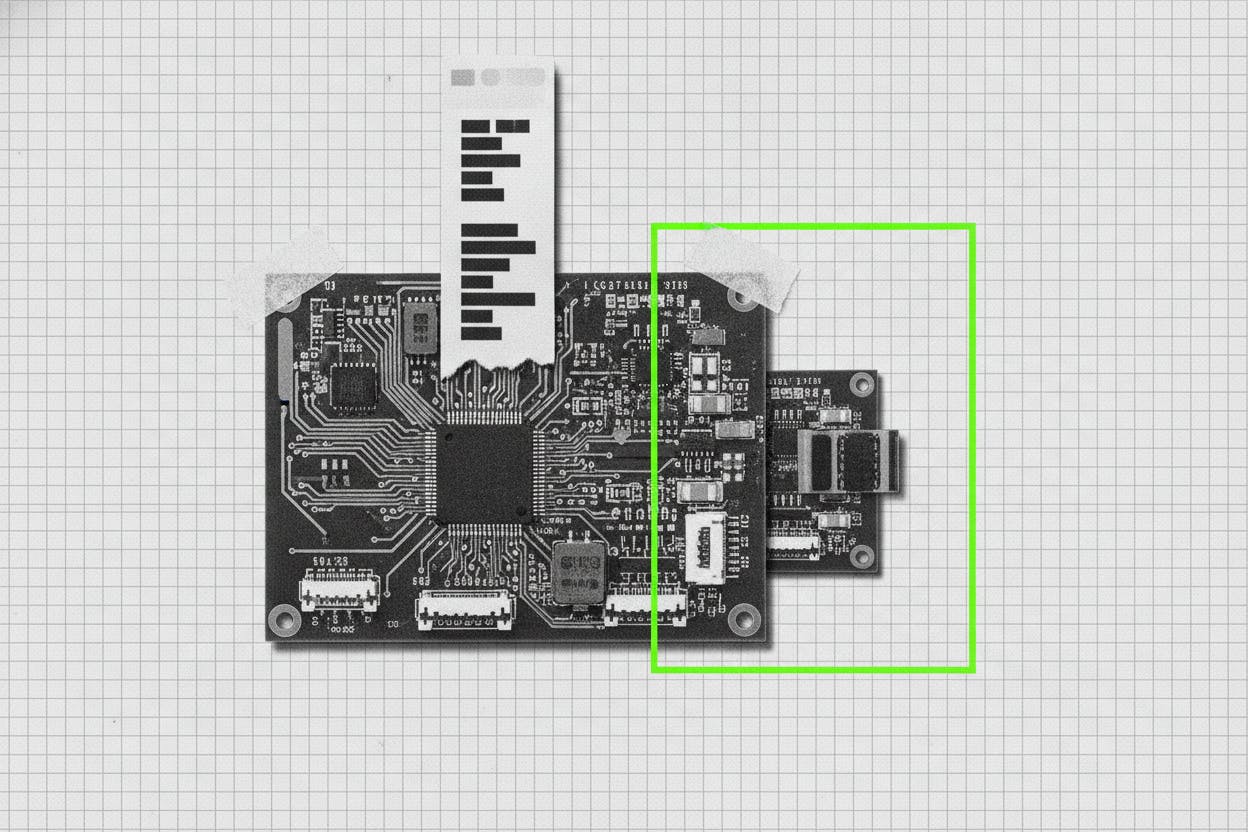
Cadence Design Systems, a leading US provider of chip-design software, has introduced a new artificial intelligence tool called AuraStack that aims to automate the complex process of designing printed circuit boards (PCBs) and chip packages. The AI agent can take plain-English instructions and turn them into detailed layouts and virtual tests, with Cadence noting that Nvidia chips will help speed up the workload, according to Reuters.
What AuraStack Does
AuraStack is an AI agent designed to handle the trade-offs that engineers typically spend the most time on: balancing cost, performance, and how components fit together. Instead of manually specifying every detail, engineers can describe their goals in natural language—such as 'design a compact PCB for a low-power device'—and the AI will generate a draft plan. It then runs Cadence's existing software to lay out the board and perform virtual tests, iterating until it meets the specified constraints.
This approach moves beyond using AI just to speed up repetitive steps. Cadence is betting that AI can take on the creative and analytical decisions that have traditionally required human expertise. The company says that using Nvidia's chips can accelerate the workload, making the process faster and more efficient.
Why It Matters for Investors
For everyday investors, this development highlights a broader trend: AI is increasingly being applied to specialized engineering tasks, potentially reducing costs and time-to-market for electronics manufacturers. Companies like Cadence are at the forefront of this shift, and their software is critical for designing everything from smartphones to automotive electronics.
If AuraStack proves successful, it could strengthen Cadence's competitive position against rivals like Synopsys and Siemens EDA. It also underscores the growing partnership between chip-design firms and Nvidia, whose graphics processing units (GPUs) are becoming essential for running AI workloads. Investors should watch how quickly engineers adopt the tool and whether it leads to measurable productivity gains.
In the broader market, small-cap stocks have been outperforming larger peers this year, with the Russell 2000 doubling the S&P 500's returns. This suggests investors are looking beyond mega-cap tech for growth opportunities, though AI-related stocks remain a key focus. For more on market trends, see Small-Cap Stocks Surge: Russell 2000 Doubles S&P 500 Returns This Year.
Context and Background
Printed circuit boards are the physical platforms that hold and connect electronic components in devices like computers, phones, and medical equipment. Designing them is a meticulous process that involves placing components, routing electrical connections, and ensuring the board meets performance and cost targets. Traditionally, this requires specialized software and significant manual effort.
Cadence has been a major player in electronic design automation (EDA) for decades, providing tools that engineers use to design chips and boards. The launch of AuraStack represents a step toward making these tools more accessible and efficient. By integrating AI, Cadence aims to reduce the time needed for design iterations, which can be a bottleneck in product development.
The use of Nvidia chips is notable because AI models require substantial computational power. Nvidia's GPUs are widely used for training and running AI models, and their inclusion suggests that AuraStack is designed to handle complex, compute-intensive tasks. This partnership could deepen as AI becomes more embedded in engineering workflows.
What to Watch Next
Investors should monitor adoption rates among Cadence's customer base, which includes major semiconductor and electronics companies. If AuraStack leads to faster design cycles, it could boost Cadence's revenue and margins. Additionally, the broader AI-driven transformation of engineering could create opportunities for other software firms.
Meanwhile, other sectors are also seeing AI adoption. For instance, SalesCloser AI Sales Agents Clear Key US Patent Hurdle for Live Meeting Booking shows how AI is being applied to sales processes. In the energy market, Brent's Backwardation Returns as Strait of Hormuz Risks Tighten Oil Supply highlights geopolitical factors affecting commodities.
For Cadence, the success of AuraStack will depend on how well it integrates with existing workflows and whether it delivers tangible results. As AI continues to evolve, companies that effectively harness it could gain a competitive edge, making this a story worth following for investors interested in technology and innovation.