Cadence Design Systems, a leading maker of software used to design semiconductors, raised its 2026 revenue and profit forecasts on Tuesday, citing surging demand from customers racing to build advanced chips for artificial intelligence. The company reported a 24% jump in quarterly sales and an $8.1 billion backlog, underscoring how the AI boom is fueling a long-term cycle of investment in chip design tools.
What Cadence does and why it matters
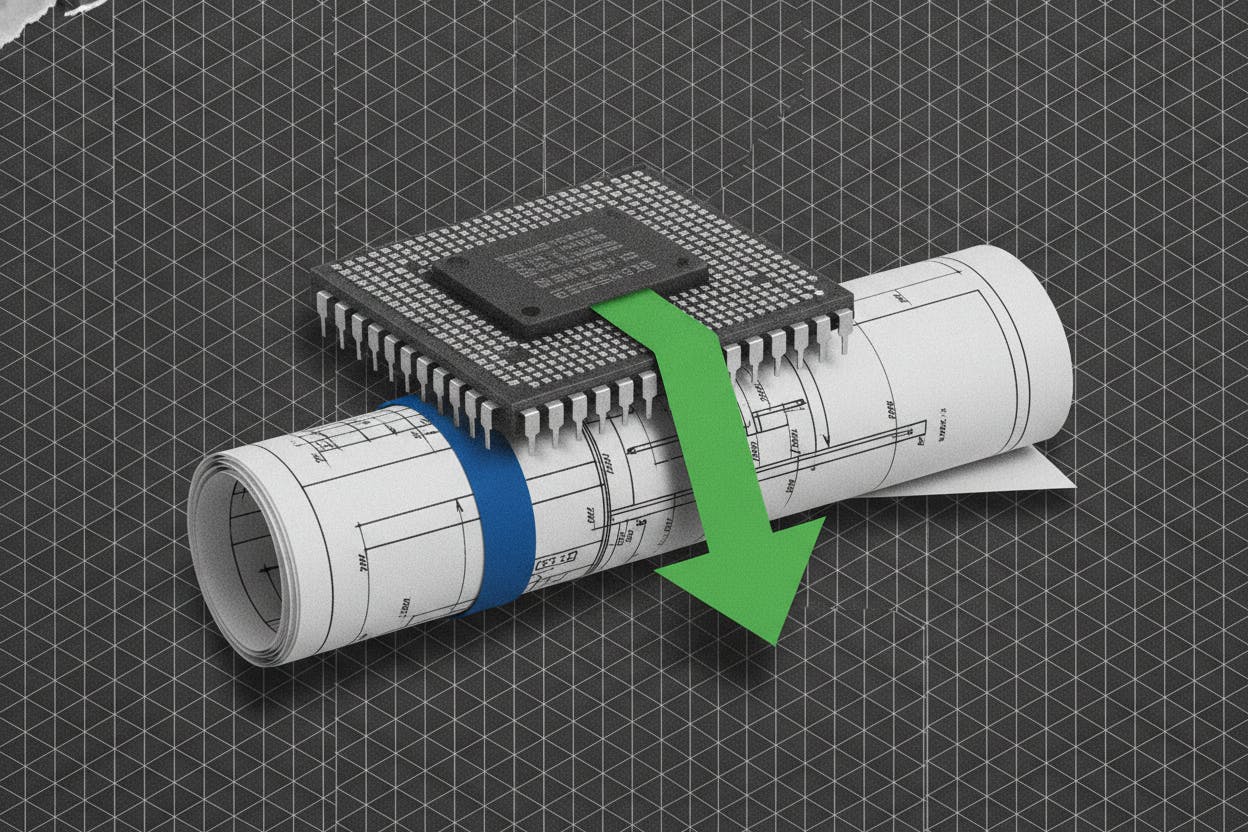
Cadence sells electronic design automation (EDA) software — the specialized tools that engineers use to design, simulate, and test chips before they go into manufacturing. Think of it as the digital blueprinting stage for every semiconductor, from the processors in smartphones to the accelerators powering AI data centers. As chips become more complex, with billions of transistors packed into a single piece of silicon, the design process becomes longer and more expensive. That plays directly into Cadence's hands: its software is deeply embedded in the workflows of chipmakers like Nvidia, Intel, and AMD, as well as a growing number of startups designing custom AI accelerators.
The company lifted its 2026 revenue outlook to a range of $6.26 billion to $6.34 billion, up from a prior forecast of $6.13 billion to $6.23 billion. It also raised its 2026 adjusted earnings per share target to $8.05, signaling confidence that the current wave of demand is not a short-term spike. The updated guidance follows a quarter in which sales rose 24% year over year, and the company's backlog — a measure of future revenue from signed contracts — swelled to $8.1 billion.
AI chip design: a long-term tailwind
The surge in demand for Cadence's software is directly tied to the explosion of interest in artificial intelligence. Companies across tech, automotive, and industrial sectors are racing to build specialized chips — often called AI accelerators or systems-on-chip — that can handle the massive computational loads required by machine learning models. These chips are far more complex than traditional processors, requiring multiple design iterations and extensive testing. That means chip designers need more licenses for EDA tools, and they need to run those tools for longer periods.
Cadence's results also reflect a broader trend: the semiconductor industry is in the midst of a multiyear investment cycle driven by AI, cloud computing, and the push for more advanced manufacturing processes. While the chip market can be cyclical, the design phase tends to be more resilient because it precedes actual production. Even if demand for finished chips fluctuates, the design pipeline remains busy as companies prepare next-generation products.
For context, Cadence's main rival in the EDA space is Synopsys, which also reported strong results recently. The two companies dominate a market that has become increasingly critical as chip designs grow more complex and expensive. A single mistake in the design phase can cost millions of dollars in rework, so chipmakers are willing to pay a premium for reliable, high-performance EDA tools.
What it means for everyday investors
For investors, Cadence's raised outlook is a signal that the AI-driven demand for chip design tools is not just a passing fad. The company's backlog — essentially a pipeline of future revenue — is a strong indicator of visibility into coming quarters. An $8.1 billion backlog means Cadence has already locked in a significant portion of its future sales, reducing the risk of a sudden slowdown.
That said, investors should keep in mind that Cadence's stock already trades at a premium valuation, reflecting the market's high expectations. The company's growth is tied to the health of the broader semiconductor industry, which can be volatile. If AI spending were to cool or if chipmakers cut back on design budgets, Cadence could face headwinds. But for now, the trend is clearly upward.
Cadence's results also offer a window into the broader tech landscape. The company's software is used by a wide range of industries, from automotive to aerospace, and its performance can be a leading indicator of innovation spending. When companies invest in chip design, it often signals that they are developing new products or upgrading existing ones — a positive sign for the economy.
For those interested in the semiconductor supply chain, Cadence is a key player to watch. Its earnings reports provide insight into the pace of chip development, which in turn affects companies like memory chip makers and equipment suppliers. The company's raised outlook also aligns with recent reports of strong demand for industrial goods, such as durable goods orders, which have been supported by tech investment.
Looking ahead
Cadence's management will likely face questions on the next earnings call about how long the current demand cycle can last. The company's guidance suggests confidence that the AI chip design boom has legs, but investors will be watching for any signs of a slowdown in customer spending. For now, the numbers speak for themselves: a 24% sales jump and a record backlog are hard to argue with.
In the broader context, Cadence's performance is another data point supporting the thesis that AI is driving a structural shift in the technology industry. From software development to chip design, companies are investing heavily in AI capabilities. For everyday investors, that means keeping an eye on the companies that provide the tools and infrastructure for this transformation — not just the flashy AI applications themselves.