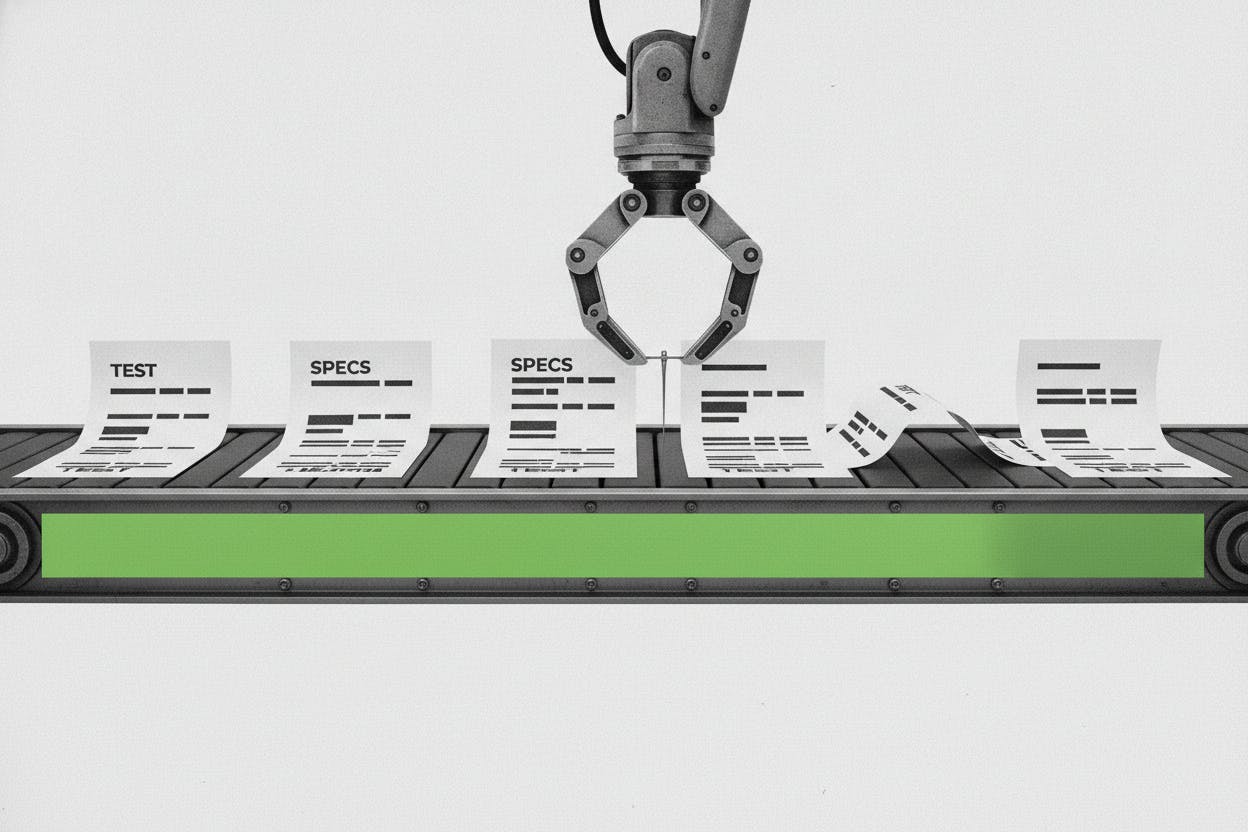
Japanese industrial conglomerate Hitachi is making a bold bet on artificial intelligence to transform how it builds enterprise software. According to a report from Nikkei Asia, the company plans to expand the role of AI in its software development process from the current 60% to a full 100% by the fiscal year ending March 2028. The goal is a 30% boost in productivity across its enterprise system development operations.
What is agentic AI?
Agentic AI refers to AI systems that can act autonomously to complete tasks, rather than just generating text or images in response to prompts. In software development, this could mean AI agents that write code, test it, fix bugs, and even manage deployment without human intervention at every step. It is a step beyond the AI-assisted coding tools many developers already use, such as GitHub Copilot or Amazon CodeWhisperer.
Hitachi's plan suggests it wants to go further, using AI not just as a helper but as the primary driver of the entire build process. This is part of a broader push by large technology companies to integrate AI more deeply into their operations. For instance, Databricks has deepened its ties with Microsoft Azure to advance agentic AI capabilities, and T-Mobile has credited AI cost cuts for helping improve its financial outlook.
Why this matters for investors
For everyday investors, Hitachi's announcement is a signal that major industrial companies are moving beyond experimenting with AI and are now embedding it into core business processes. If successful, this could lead to lower costs, faster development cycles, and higher margins for Hitachi's IT services division, which competes with firms like Fujitsu and NEC in Japan and globally.
The 30% productivity target is ambitious. In the software industry, even a 10% productivity gain from AI tools is considered significant. Hitachi's plan implies a fundamental rethinking of how enterprise software is built, moving from human-led, AI-assisted work to AI-led, human-supervised work. This could set a precedent for other industrial conglomerates and IT services firms to follow.
However, there are risks. Agentic AI is still an emerging technology, and fully autonomous software development raises questions about quality control, security, and the potential for errors that could cascade through large systems. Hitachi will need to invest heavily in training, infrastructure, and safety measures to make this work at scale.
Broader market context
Hitachi's move comes at a time when global tech investors are closely watching AI spending. Recent news that Alphabet's AI spending plans spooked markets, causing the Nikkei to tumble over 2%, shows how sensitive the market is to AI-related announcements. Meanwhile, Asia chip stocks have rallied as big tech's AI spending plans reassured markets, highlighting the dual nature of AI investment: it can both unsettle and excite investors depending on the context.
For Hitachi, the focus is on productivity gains rather than just spending. That could be a more reassuring narrative for investors who worry about AI costs without clear returns. The company is essentially saying: we will use AI to do more with less, and we have a specific timeline and target to prove it.
What to watch next
Investors should monitor Hitachi's quarterly earnings reports for signs of progress toward the 30% productivity goal. Key metrics will include development cycle times, cost per project, and profit margins in its IT services segment. Also watch for partnerships or acquisitions that could accelerate its AI capabilities.
If Hitachi succeeds, it could pressure competitors to adopt similar strategies, potentially reshaping the enterprise software development industry. If it stumbles, it may serve as a cautionary tale about the limits of current AI technology. Either way, the next few years will be telling for Hitachi and for the broader adoption of agentic AI in business.