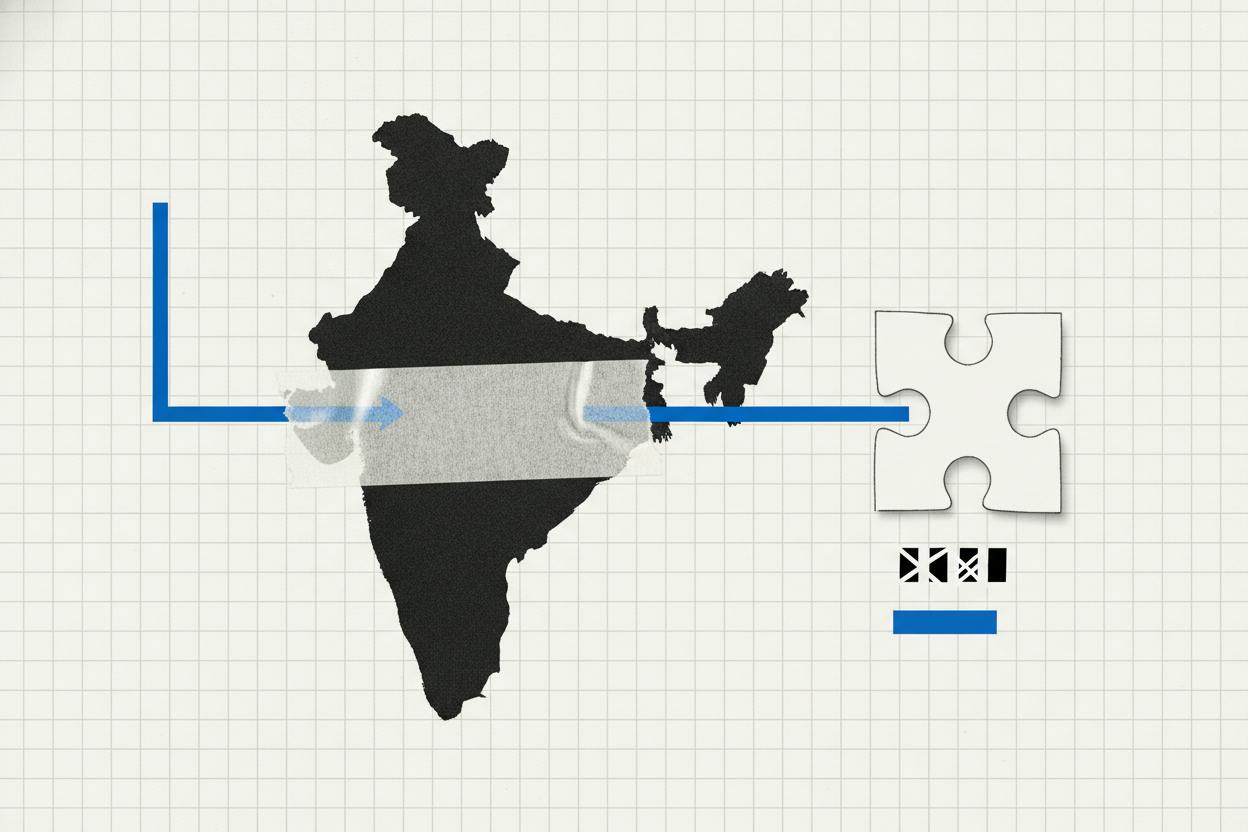
India is looking to make its digital payments system a standard part of its trade agreements. According to a Bloomberg report, officials say that linking the Unified Payments Interface (UPI) with partner countries is being discussed in negotiations with the European Union and New Zealand. UPI is already live in 11 countries, and India wants to extend that reach further.
UPI is a real-time payments system that allows people to send and receive money instantly using a mobile app, without needing to enter bank account details every time. It has become hugely popular in India, processing billions of transactions a month. Now, the government wants to export that success.
What is UPI and why does India want to export it?
UPI was developed by the National Payments Corporation of India (NPCI) and launched in 2016. It lets users link multiple bank accounts to a single app, making peer-to-peer transfers, bill payments, and merchant payments as simple as scanning a QR code or entering a virtual ID. The system operates 24/7 and settles transactions in real time, which is a big step up from traditional bank transfers that can take hours or days.
For India, exporting UPI is not just about convenience. It's a strategic move. By embedding its payments system into trade deals, India can increase its influence in global financial infrastructure, reduce reliance on foreign payment networks, and promote its technology abroad. It also creates a new avenue for Indian fintech companies to expand internationally.
The fact that UPI is already live in 11 countries shows that India has had some success in this push. Those countries include places like Singapore, the UAE, and France, where Indian tourists and businesses can use UPI for payments. Now, the focus is on larger trade partners like the EU and New Zealand.
How payment links fit into trade negotiations
Trade deals typically focus on tariffs, goods, and services. But increasingly, they also cover digital trade and financial infrastructure. A payment link between India and another country would allow people and businesses in both places to use UPI for cross-border transactions, potentially reducing costs and settlement times compared to traditional correspondent banking.
For the EU, which has its own real-time payment system (SEPA Instant Credit Transfer), a link with UPI could open up easier payments between European and Indian businesses. For New Zealand, a smaller economy, it could mean easier access to the Indian market. However, such links require technical integration, regulatory alignment, and agreements on data protection and anti-money laundering standards.
This is not a new idea. India has already signed similar agreements with several countries, and the discussions with the EU and New Zealand are part of a broader effort to make UPI a global standard. The talks are still ongoing, and no timeline has been given for when a link might go live.
What it means for investors
For everyday investors, the expansion of UPI is a signal that India is serious about becoming a major player in digital finance. It could benefit Indian fintech companies that are part of the UPI ecosystem, such as payment apps and technology providers. However, it's important to remember that these are long-term developments, and the actual impact on company earnings may take years to materialize.
Investors should also watch how this affects the broader payments landscape. If UPI becomes more widely accepted internationally, it could increase competition for established payment networks like Visa and Mastercard, which charge fees for cross-border transactions. That could be a positive for consumers and businesses, but a headwind for those companies' margins.
There are also risks. Cross-border payment links require careful handling of data privacy and cybersecurity. Any major breach could undermine trust and slow adoption. Additionally, regulatory hurdles in the EU and New Zealand could delay or alter the plans.
For now, the news is more of a strategic statement than a concrete market event. But it's part of a larger trend of countries building their own payment rails, which could reshape how money moves around the world. As crypto and other digital payment methods evolve, traditional systems are also adapting, and India is clearly positioning itself at the forefront.
Investors with exposure to Indian financials or fintech should keep an eye on these developments. The success of UPI's international expansion could be a tailwind for companies like Paytm, PhonePe, and the NPCI itself, though none of these are directly listed as pure plays. Meanwhile, the broader Indian market has been under pressure recently, with stocks hitting three-month lows amid rising oil prices and US inflation concerns. But long-term structural stories like UPI's global push remain part of the investment narrative.
In the near term, investors will likely watch for concrete announcements from the trade talks. If a UPI-EU link is finalized, it could be a significant milestone. Until then, it's a story of ambition and potential, not yet a market-moving event.