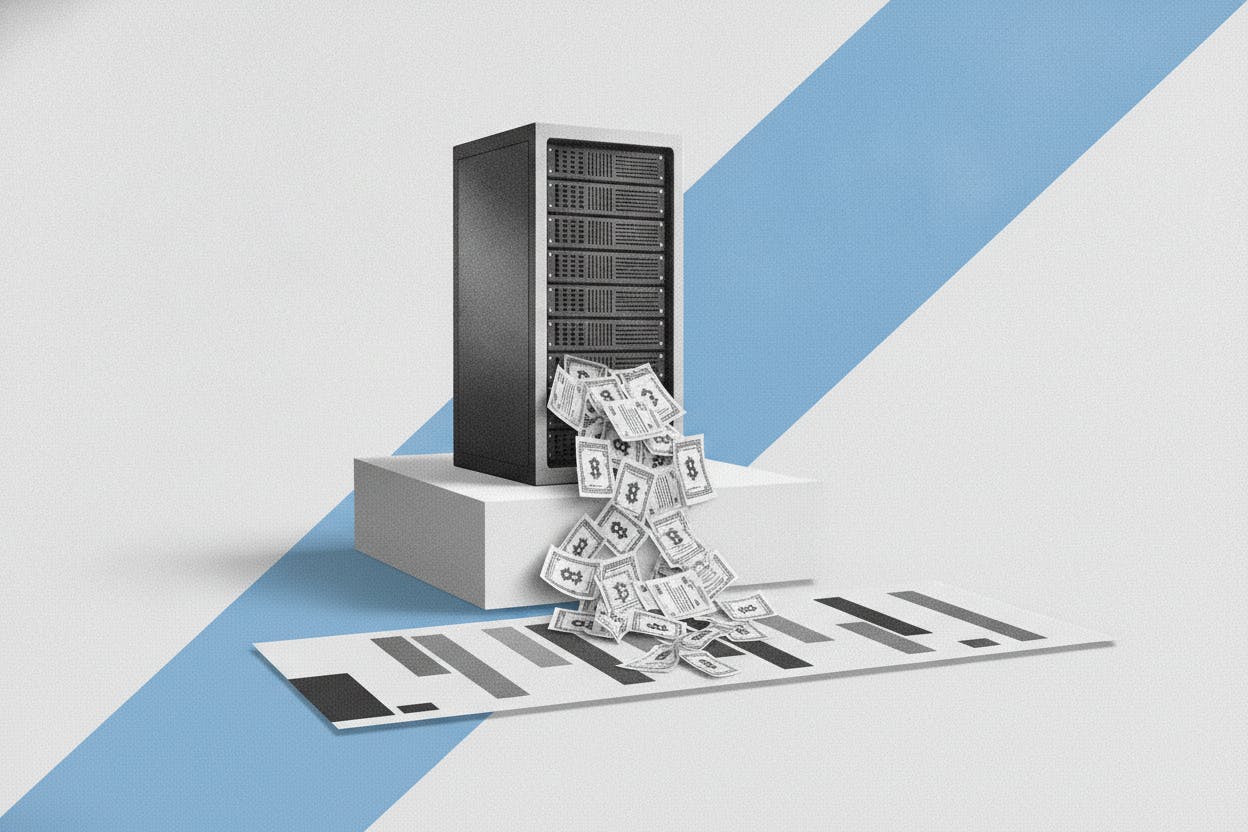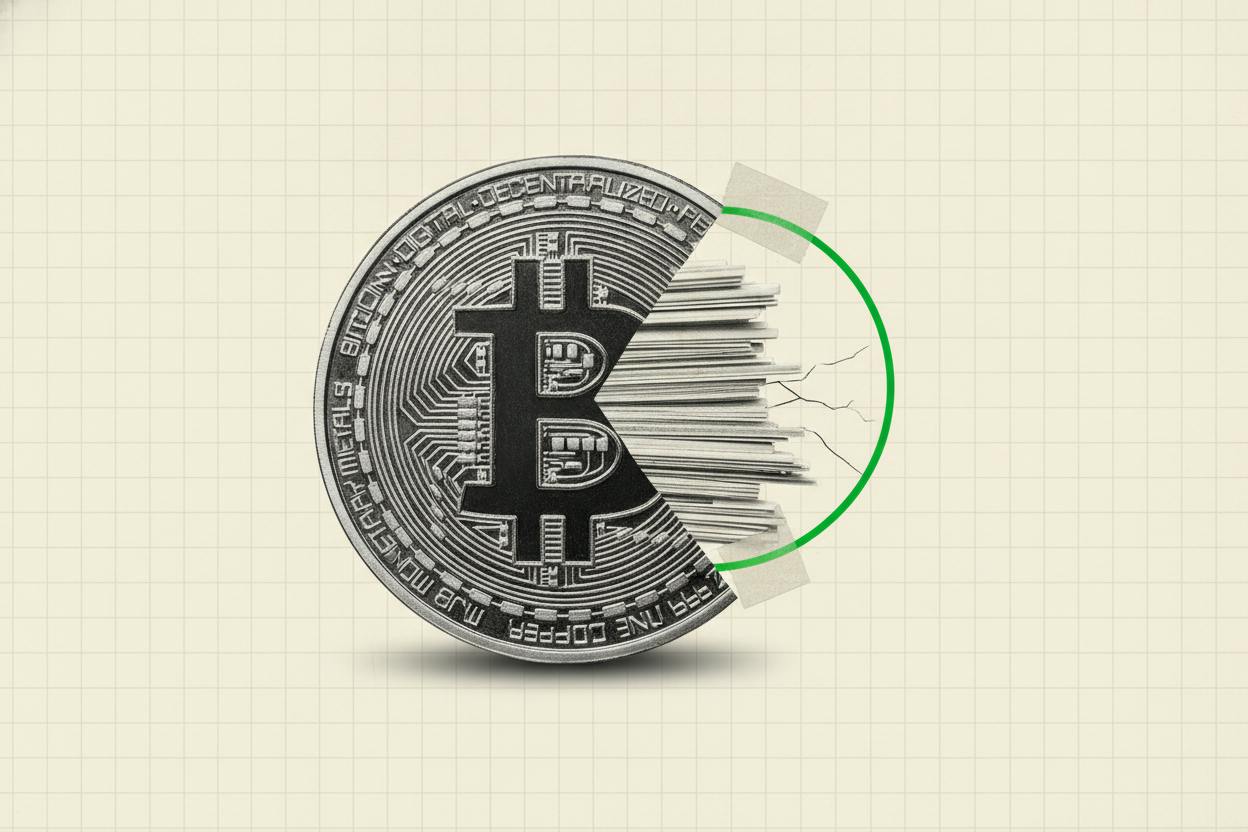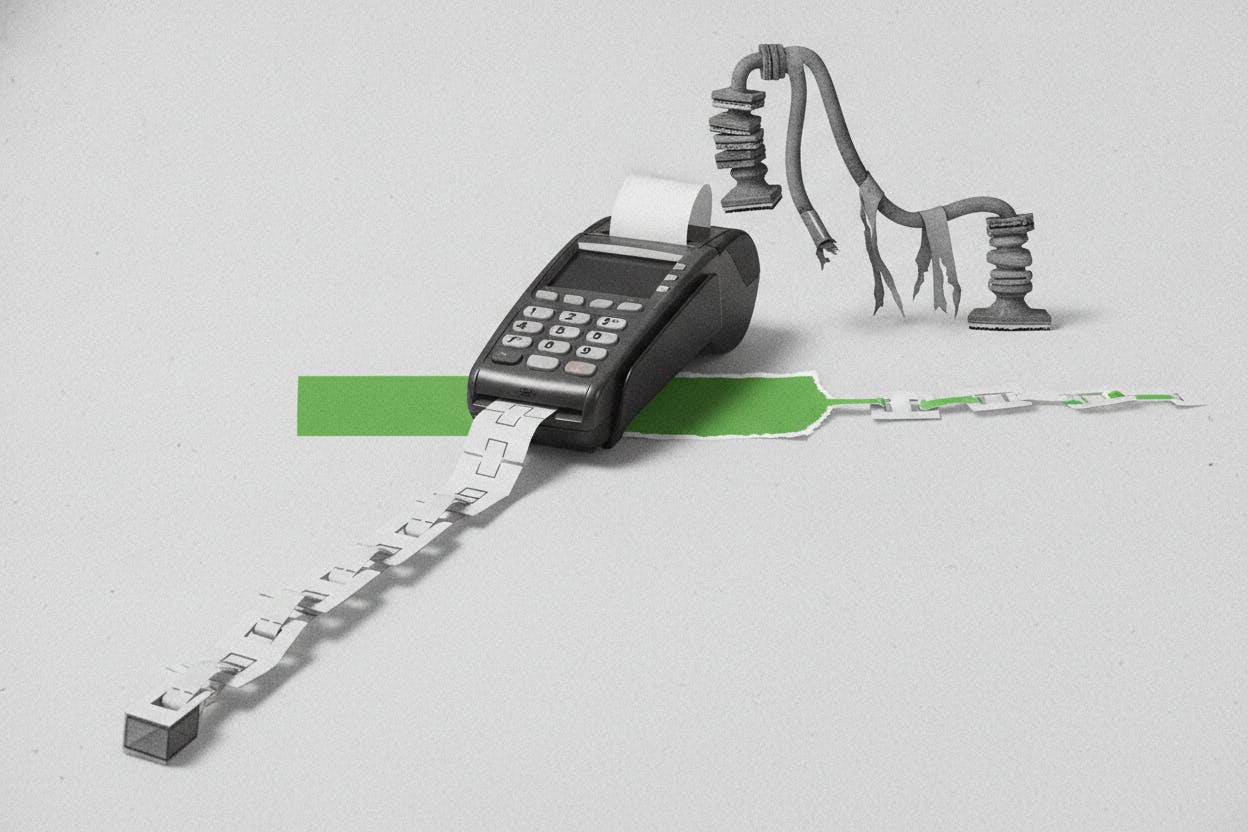
The way people move money has changed more in the past decade than in the previous century. Tap a phone at a coffee counter, split a dinner bill through an app, or buy a plane ticket without ever touching a card – these are now routine. But beneath the surface, a quieter revolution is underway: the same technology that powers bitcoin and other digital assets is increasingly settling, clearing, and landing ordinary transactions in someone's account.
What started as a niche curiosity among crypto enthusiasts is now shaping the plumbing of everyday finance. For investors who track the sector, this is a shift worth understanding – not because it will make headlines overnight, but because it could redefine how value moves across the global economy.
From speculation to settlement
For years, crypto was largely seen as a speculative asset – something to buy and sell, not something to use. But the underlying technology, known as blockchain, is a distributed ledger that can record transactions without a central authority. That capability has drawn interest far beyond trading desks.
Today, a growing number of payment companies, banks, and fintech startups are experimenting with blockchain-based systems to speed up settlement, cut costs, and improve transparency. Cross-border payments, which traditionally take days and pass through multiple intermediaries, are a prime candidate. A blockchain-based transfer can settle in minutes, at any hour, with fewer fees.
This is not just theory. Major financial institutions have launched pilot programs for tokenized assets and digital currencies, and some governments are exploring central bank digital currencies (CBDCs). The tokenized bond pilot by India's REC is one example of how traditional finance is testing the waters.
The infrastructure is being built
The shift is not happening overnight, but the building blocks are being put in place. Payment networks are integrating crypto rails, and companies like Robinhood are expanding their crypto offerings, even as they push into other areas like prediction markets. The recent stakes in OG.com and Crypto.com show how mainstream platforms are betting on the intersection of finance and digital assets.
At the same time, the market for digital assets remains volatile. Bitcoin has traded above $78,000 recently, though trading volumes have cooled sharply, as recent data shows. That volatility is a reminder that the technology's promise and its price swings are two different things.
What it means for investors
For everyday investors, the key takeaway is that crypto is becoming less about speculation and more about utility. That doesn't mean you should rush to buy digital tokens – it means you should watch how the infrastructure evolves.
Companies that build the rails for crypto payments – from exchanges to payment processors to blockchain software firms – could benefit as adoption grows. But so could traditional financial firms that successfully integrate the technology. The Morgan Stanley price target raise for Galaxy Digital reflects growing institutional interest in crypto-related businesses.
Investors should also be aware of the risks. Regulatory uncertainty remains a major factor, and the technology is still maturing. While the promise of faster, cheaper payments is real, the path to widespread adoption is rarely linear.
The bottom line
The way people move money is being rewired, and crypto is at the center of that change. For investors, the opportunity is not just in owning digital assets, but in understanding which companies are best positioned to benefit from the shift. As always, diversification and a long-term perspective are key.
Whether it's a coffee purchase or a cross-border wire, the technology behind bitcoin is increasingly part of the everyday flow of money. The revolution may be quiet, but it's real – and it's worth paying attention to.