Bitcoin, the world's largest cryptocurrency, has come a long way since its creation in 2009. What was once a niche digital curiosity is now a mainstream asset that everyday investors can buy through a variety of channels. If you're thinking about making your first purchase, the good news is that there are more options than ever. The challenge is choosing the one that fits your needs, and understanding the trade-offs involved.
Where can you buy bitcoin?
Bitcoin is available through several types of services, each with its own strengths and weaknesses. The most common routes include:
- Cryptocurrency exchanges – Online platforms like Coinbase, Binance, or Kraken that let you buy, sell, and hold bitcoin. They typically offer the widest range of features and the most competitive prices, but they require you to create an account and verify your identity.
- Payment apps – Apps like PayPal, Cash App, or Revolut now allow users to buy bitcoin directly from their smartphone. These are often the easiest for beginners, but they may have higher fees and limited functionality compared to dedicated exchanges.
- Brokers – Traditional brokerage firms, such as Robinhood or Fidelity, have added bitcoin trading to their platforms. This can be convenient if you already have an account, but you may not be able to transfer your bitcoin to an external wallet.
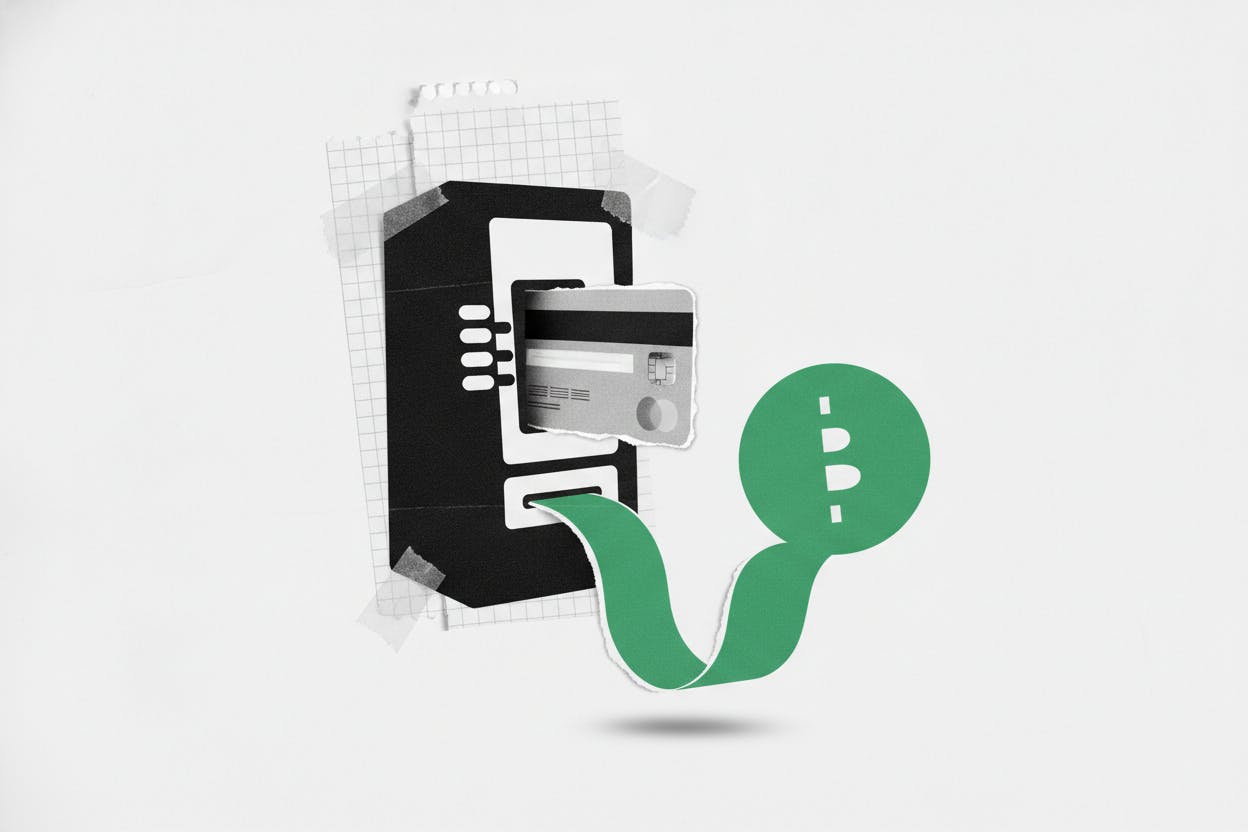
- Bitcoin ATMs – Physical kiosks that let you buy bitcoin with cash or a debit card. They are quick and anonymous, but fees are often much higher than online options.
- Peer-to-peer platforms – Services like LocalBitcoins or Bisq connect buyers and sellers directly. These can offer more privacy and flexibility, but they require more caution to avoid scams.
How do you pay?
The payment methods available depend on the service and your country. Most exchanges and apps accept bank transfers, which usually have the lowest fees. Credit and debit cards are widely accepted but often come with higher fees and may be treated as cash advances by your card issuer. Some services also allow you to fund your account with a digital wallet, and bitcoin ATMs accept cash. In many regions, you can even buy bitcoin with a bank transfer in a matter of minutes.
It's worth noting that the availability of these options varies by country. Some jurisdictions have stricter regulations, which can limit which services you can use or what payment methods are accepted. Always check what's available in your location before committing to a platform.
What is bitcoin, exactly?
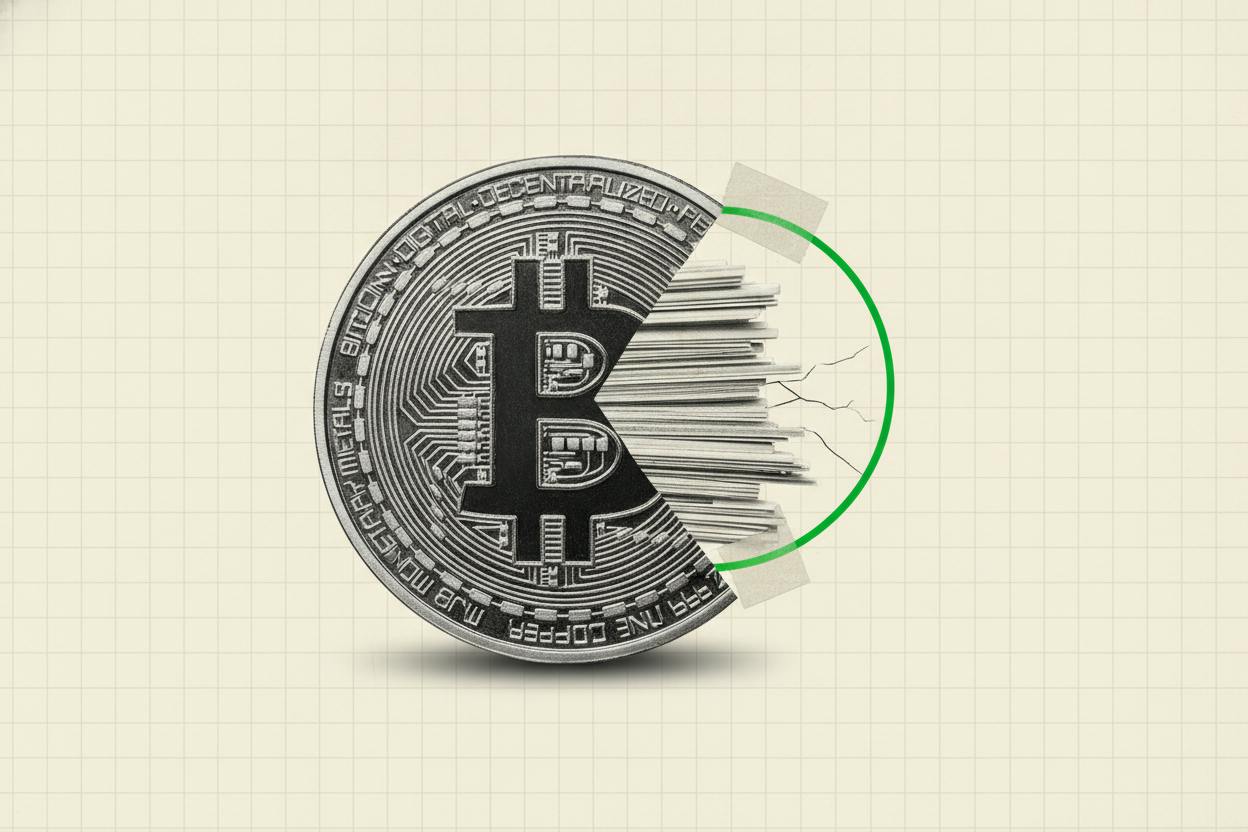
Bitcoin was created in 2009 by an anonymous person or group using the pseudonym Satoshi Nakamoto. It introduced a decentralized electronic payment system built on blockchain technology – a public digital ledger that records every transaction across a network of computers. Unlike traditional currencies, bitcoin operates without a central bank or government backing. Instead, a global network of developers and participants maintains its infrastructure, and the supply is capped at 21 million coins.
This decentralization is both bitcoin's biggest selling point and its biggest source of volatility. Because no single entity controls it, bitcoin is not subject to government monetary policy, but it also lacks the stability of fiat currencies. Prices can swing dramatically in short periods, as recent market moves have shown. For example, bitcoin has recently held above $78,000 even as trading volumes have cooled, and it has rallied alongside gold and silver after a failed Treasury move. These kinds of fluctuations are normal for bitcoin, and beginners should be prepared for them.
What to consider before you buy
Before you make your first purchase, there are a few practical steps to keep in mind:
- Choose a secure wallet – If you plan to hold bitcoin for a while, consider transferring it to a private digital wallet rather than leaving it on an exchange. Exchanges can be hacked, and you don't control the private keys.
- Understand the fees – Each service charges different fees for buying, selling, and withdrawing. Compare them before you commit, as they can eat into your returns.
- Start small – Because bitcoin is volatile, it's wise to start with an amount you can afford to lose. Many experts suggest treating it as a speculative investment, not a core part of your portfolio.
- Be aware of taxes – In many countries, selling bitcoin for a profit is a taxable event. Keep records of your transactions and consult a tax professional if you're unsure.
What it means for everyday investors
For most people, buying bitcoin is now as easy as downloading an app and linking a bank account. But ease of access doesn't mean it's risk-free. Bitcoin's price can be influenced by global events, such as tariff announcements or shifts in oil and bond yields, making it a highly unpredictable asset. It's also worth remembering that bitcoin is not the only way to gain exposure to crypto – you can also consider options or other investment vehicles, though those come with their own complexities.
The key takeaway is to do your homework, choose a reputable platform, and never invest more than you can afford to lose. Bitcoin can be an exciting addition to a diversified portfolio, but it's not a get-rich-quick scheme. Approach it with the same caution you would any other investment, and you'll be better positioned to navigate the ups and downs.