Cal-Maine Foods, the largest egg producer in the United States, reported a fiscal first-quarter loss of $1.26 per share, a sharp reversal from the profit it posted a year earlier. The company said sales tumbled 42% as egg prices cooled from last year's highs and it sold fewer eggs.
The results underscore how volatile the egg business can be. A year ago, egg prices were elevated after an outbreak of avian flu reduced supply and boosted prices. Now, with supply recovering and demand normalizing, prices have fallen back to earth, squeezing producers' margins.
What happened
Cal-Maine's fiscal first quarter, which covers the period ending in late August, typically sees softer demand as schools are on summer break and holiday baking hasn't started. But the year-over-year decline was especially steep because the prior-year quarter benefited from unusually high egg prices.
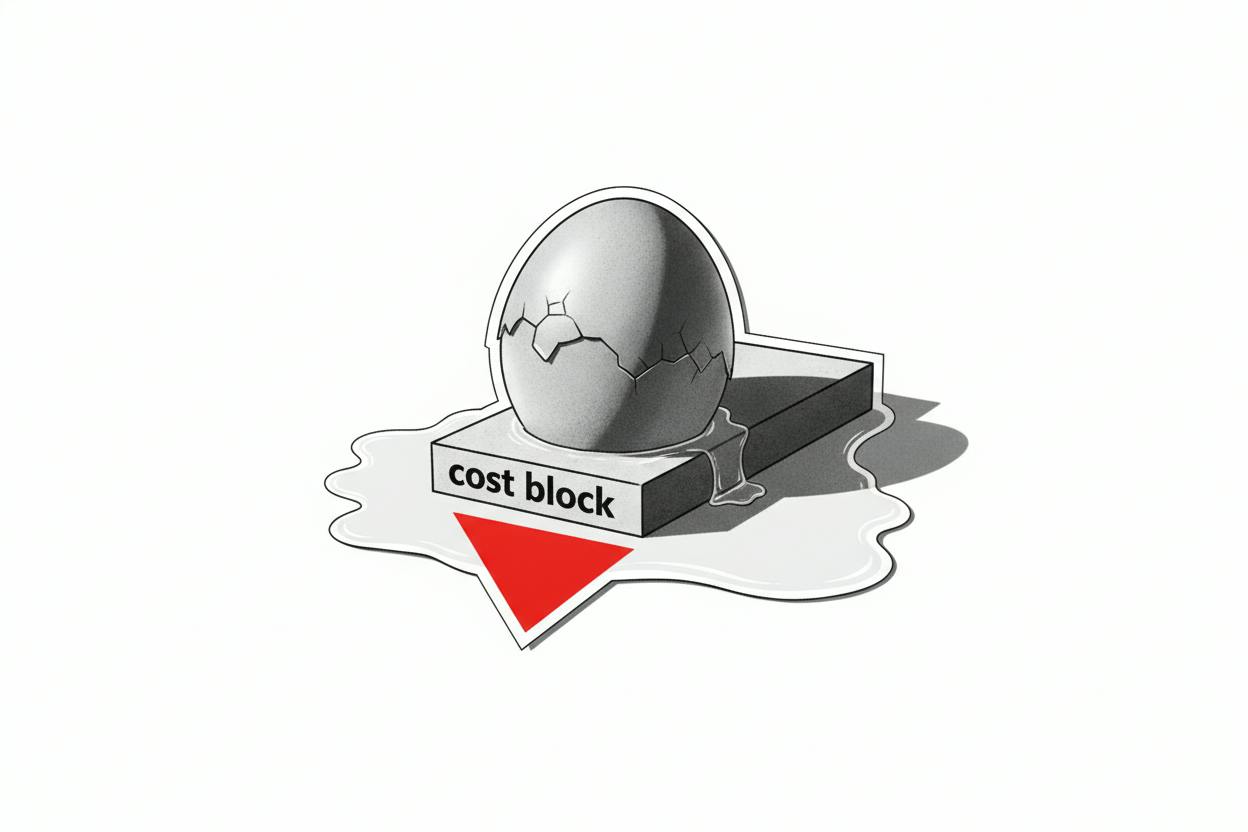
The company didn't break out specific revenue or volume figures in the brief, but the 42% drop in sales reflects both lower average selling prices and reduced case volumes. For a company that sells most of its eggs under cost-plus contracts with retailers, the swing in market prices directly hits the bottom line.
Egg prices have been on a rollercoaster. After spiking in 2022 and early 2023 due to the worst avian flu outbreak in US history, prices have since moderated as flocks were rebuilt. The USDA's benchmark egg price has fallen sharply from its peak, though it remains above pre-pandemic levels.
Why it matters for investors
For everyday investors, Cal-Maine's results are a reminder that commodity-linked food producers are at the mercy of supply and demand cycles. When prices are high, profits can be spectacular; when they normalize, earnings can quickly turn to losses.
The company's cost-plus model helps smooth some volatility, but it doesn't eliminate it. In the latest quarter, the combination of lower prices and higher feed costs—corn and soybean meal remain elevated—compressed margins.
Investors should also note that Cal-Maine is a dividend payer, and a loss in a quarter doesn't necessarily mean the dividend is at risk, as the company has a history of paying out a portion of earnings. However, sustained losses could pressure future payouts.
Looking ahead, the key for Cal-Maine will be how quickly egg prices stabilize and whether demand picks up as the holiday season approaches. The company also continues to expand its specialty egg offerings, which carry higher margins and are less cyclical than conventional eggs.
Broader market context
The egg market is just one corner of the broader food inflation story. While overall grocery prices have moderated from their peak, some items remain volatile. For investors, this means food producers' earnings can be unpredictable, and it's worth paying attention to commodity trends when evaluating these stocks.
Cal-Maine's loss also comes at a time when investors are watching consumer spending closely. If shoppers trade down to cheaper protein sources, that could affect demand for eggs, though eggs are generally considered a budget-friendly option.
The company's results are a useful case study in how cyclical industries work. Just as Tullow Oil's shares plunged on a one-off tax dispute, Cal-Maine's earnings swing is largely a function of market prices rather than a fundamental deterioration in its business.
Investors who own Cal-Maine or similar agricultural producers should expect this kind of volatility. The key is to focus on the long-term fundamentals—like the company's market position and cost structure—rather than reacting to a single quarter's results.
As the company navigates the current downcycle, it will likely continue to invest in automation and specialty eggs to improve its earnings stability. But for now, the egg cycle has turned, and Cal-Maine is feeling the pinch.